
Plants
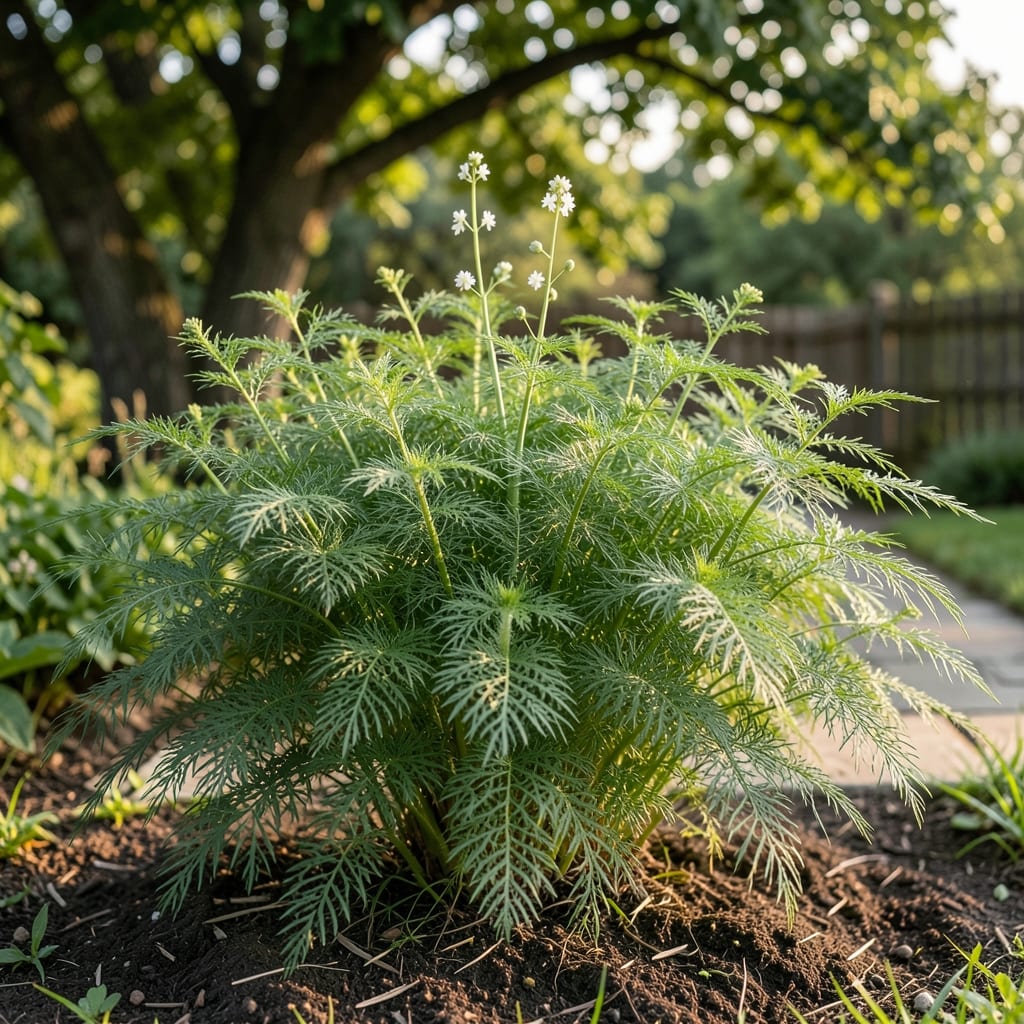
Exact height ranges for popular asparagus varieties (with space requirements)
Asparagus plants typically reach 3 to 5 feet tall at maturity, but the exact height varies by variety. Understanding these differences helps you choose the right plants for your garden space. Most standard varieties like Mary Washington or Jersey Knight grow 4 to 5 feet tall, while some newer hybrids may stay slightly shorter.
What’s surprising is how spreading habits affect space needs. Asparagus crowns spread 2 to 3 feet wide over time, so proper spacing is crucial. Planting too close can stunt growth and reduce yields. For example, Purple Passion asparagus grows 4 feet tall but spreads aggressively, requiring 18 inches between plants.
Here’s the key: Height alone doesn’t tell the full story. Some varieties may be shorter but spread wider, while others stay compact. This comparison table breaks down the most popular varieties, including their mature heights, spreading habits, and ideal spacing for optimal growth.
| Variety | Mature Height (ft) | Spread (ft) | Ideal Spacing (in) | Best For |
|---|---|---|---|---|
| Mary Washington | 4-5 | 2-3 | 12-18 | Large gardens, high yields |
| Jersey Knight | 3.5-4.5 | 2 | 12-15 | Small gardens, early harvest |
| Purple Passion | 4 | 3 | 18 | Ornamental value, bold color |
| Pacific 2000 | 3-4 | 2 | 12-15 | Disease-resistant, compact |
| Green Sprite | 3.5-4 | 2.5 | 15 | Small spaces, containers |
| Millennium | 4.5-5 | 3 | 18 | High yield, cold hardy |
Note: Spacing requirements are for perennial growth. Adjust for containers or vertical gardens.
If you’re working with limited garden space, focus on varieties like Green Sprite or Pacific 2000, which stay under 4 feet tall and spread less aggressively. These are ideal for container gardening or small raised beds, where you can control spacing more easily.
For larger gardens, Mary Washington or Millennium deliver the highest yields but require 18 inches of spacing between plants. Planting them in rows with 3 feet between rows ensures enough room for their spreading crowns and prevents competition for nutrients.
One common misconception is that taller asparagus varieties always produce more spears. In reality, proper spacing and soil quality have a bigger impact on yield than height alone. For example, a 3.5-foot-tall Jersey Knight plant can outproduce a 5-foot-tall Mary Washington if the latter is overcrowded.
Asparagus is a perennial plant, meaning it grows back year after year. In the first year, you’ll only see foliage growth (no harvest), but by year 2 or 3, plants reach their full height and start producing spears. Plan your garden layout with this in mind—taller varieties may need stakes or trellises in windy areas to prevent flopping.
Pro tip: If you’re growing asparagus in containers, choose varieties like Green
How to maximize yield in small spaces: vertical & container growing tips
Growing asparagus in small spaces is totally doable—you just need the right strategies. Since most varieties reach 3 to 5 feet tall, vertical gardening and container solutions can save space while maximizing your harvest. The key is choosing compact varieties like Green Sprite or Pacific 2000, which thrive in tight quarters without sacrificing yield.
For taller varieties, trellises or stakes help direct growth upward, freeing up ground space for other plants. Even 5-foot-tall Millennium asparagus can fit neatly in a corner if supported properly. Below, I’ll walk you through the best methods to grow asparagus in limited areas, whether you’re working with a balcony, patio, or tiny backyard.
🌱 5 Space-Saving Techniques for Asparagus
-
1. Vertical Trellising
Use bamboo stakes or wire cages (4-5 ft tall) to train vines upward. Secure with soft ties to avoid damaging stems. Ideal for Mary Washington or Millennium varieties. -
2. Container Gardening
Plant Green Sprite in 18-inch-deep pots with well-draining soil. Use fabric grow bags for better aeration. Place containers near a south-facing wall for maximum sunlight. -
3. Raised Bed Optimization
In 4x4-foot raised beds, plant 4 asparagus crowns (12 inches apart) along one edge. Leave the center for companion plants like bush beans or lettuce, which thrive in asparagus’ shade. -
4. Companion Planting
Pair asparagus with shallow-rooted herbs (like chives or thyme) or radishes. These plants use less water and nutrients, reducing competition. Avoid planting near potatoes or tomatoes, which can stunt growth. -
5. Pruning for Compact Growth
Trim ferns (foliage) back by 50% in late summer to redirect energy to crown expansion rather than height. This keeps plants 3-4 feet tall while boosting spear production.
Pro Tip: Mulch heavily around container-grown asparagus to retain moisture and prevent roots from overheating in summer. 🌿
If you’re growing asparagus in containers, remember that root depth matters. Use pots with at least 18 inches of depth to accommodate the spreading crowns. For example, a 5-gallon bucket works for Green Sprite, but larger varieties like Jersey Knight need 20+ gallons to thrive.
For vertical gardens, install trellises before planting. Drive 4-foot stakes into the ground and weave garden twine horizontally every 12 inches to create a lattice. This gives asparagus vines something to cling to naturally, reducing the need for manual support later. In windy areas, add extra ties to prevent flopping.
One of my favorite space-saving hacks is growing asparagus alongside edible flowers like nasturtiums. The flowers add color, deter pests, and use minimal space. Plus, they’re harvestable while the asparagus matures—double the yield in the same footprint! Just avoid planting anything too competitive for sunlight or water.
Finally, don’t forget that asparagus is a perennial, so your initial investment in space-saving methods pays off for years. With the right setup, you can enjoy fresh spears for 10+ years without needing to replant. Start small, experiment with varieties, and watch your tiny garden become a high-yielding asparagus powerhouse! ✂️