
Flowers
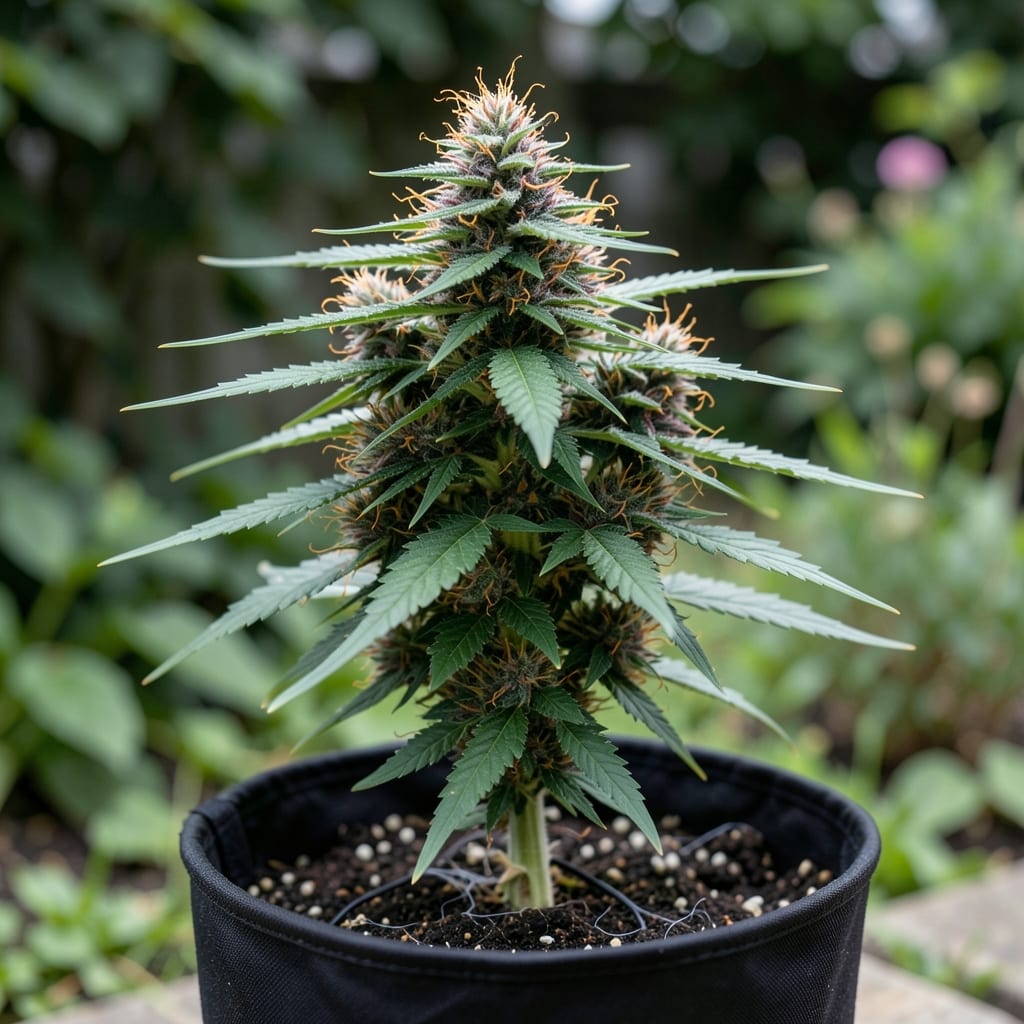
If you're wondering how tall do autoflowers grow, the answer might surprise you—these fast-growing plants can range from compact 1-foot dwarfs to towering 6-foot giants, depending on genetics and care. Unlike photoperiod cannabis, autoflowering cannabis 🌿 grows on a strict timeline, making height control both an art and a science for growers.
Knowing your plant's potential height helps you plan space, optimize yields, and avoid common mistakes like overcrowding or structural stress. Whether you're a beginner with limited room or an experienced grower fine-tuning techniques, understanding these variations is key to a successful harvest.
In this guide, we'll break down exact height ranges by strain type, explore how to manage growth naturally, and reveal the 3 biggest mistakes that distort height. By the end, you'll know exactly how to work with your autoflowers—not against them—to get the best results.
From dwarf varieties that fit on a kitchen counter to sky-high hybrids that need ceiling space, we've got you covered. Let’s dive into the specifics so you can grow with confidence, no matter your setup.


Autoflower height ranges by strain type: dwarf vs. tall varieties explained
Autoflowering cannabis plants are famous for their predictable flowering cycles and compact growth patterns, but their height can vary dramatically depending on genetics. Unlike photoperiod plants, autoflowers don't rely on light cycles to flower, which means their size is primarily determined by their genetic lineage and cultivation conditions. If you're planning your grow space, knowing these height ranges will help you avoid overcrowding or structural issues.
Most autoflowering strains fall into three broad categories: dwarf varieties (under 2 feet), medium-height hybrids (2-4 feet), and tall Sativa-dominant strains (4-6+ feet). The key to managing height lies in understanding these categories and how they interact with your growing environment. For example, a 12-inch dwarf strain like Northern Lights Auto will thrive in a small closet, while a 6-foot Sativa like Amnesia Haze Auto needs ceiling clearance or outdoor space.
Genetics play the biggest role in determining final height. Indica-dominant autoflowers tend to stay shorter (1-3 feet), while Sativa-dominant varieties can stretch toward 5-6 feet or more. Even within the same strain, height can vary by 1-2 feet depending on whether you're growing indoors or outdoors. Outdoor plants often grow taller due to unlimited vertical space and natural wind training, while indoor plants may stay more compact due to light limitations and container size.
| Strain Type | Height Range (Indoor) | Height Range (Outdoor) | Example Strains | Yield Potential |
|---|---|---|---|---|
| Dwarf Indica | 12-24 inches | 18-30 inches | Northern Lights Auto, Blueberry Auto | 0.5-2 oz per plant |
| Medium Hybrid | 2-4 feet | 3-5 feet | Gelato Auto, Wedding Cake Auto | 2-4 oz per plant |
| Tall Sativa | 4-6 feet | 5-7+ feet | Amnesia Haze Auto, Durban Poison Auto | 3-6 oz per plant |
Note: Outdoor heights can vary based on wind exposure and space.
If you're growing dwarf autoflowers, you'll love their space-saving benefits. These varieties are perfect for indoor grow tents or small balconies, often producing high-quality buds despite their size. For example, Blueberry Auto stays under 2 feet but delivers potent, flavorful buds with minimal effort. On the other hand, tall Sativa autoflowers like Jack Herer Auto can reach 6 feet or taller, requiring more vertical space but offering higher yields and energizing effects.
One common misconception is that all autoflowers stay short. In reality, some Sativa-leaning autoflowers can grow as tall as photoperiod Sativas, which is why many growers use training techniques to manage their height. For instance, low-stress training (LST) or topping can help redirect energy into bud production rather than vertical growth. Without these techniques, a 6-foot autoflower in a 4-foot tent will quickly become a structural nightmare, risking light burn or bud rot from overcrowding.
For indoor growers, height becomes a critical factor in light placement and ventilation. A 5-foot plant under a 4-foot LED light will struggle to reach full potential, as the top buds won't receive enough light. Similarly, outdoor growers must consider local climate and wind exposure, as strong winds can cause stem bending or toppling in taller varieties. Always check the breeder's notes for specific strain recommendations, as even within the same category, heights can vary.
Another factor to consider is harvest timing. Taller autoflowers may take slightly longer to mature (up to 12 weeks), while dwarf varieties can be ready in as little as 8 weeks. This means you can fit multiple harvests in a single growing season if you mix fast-flowering dwarfs with slower-growing tall strains. For example, you could grow Northern Lights Auto (8 weeks) alongside Amnesia Haze Auto (10-12 weeks) in the same outdoor space, staggering your harvests for a continuous supply.
If you're new to auto
How to control autoflower height naturally: pruning, training, and light techniques
Controlling the height of autoflowering cannabis without stunting growth or triggering stress requires a delicate balance of training techniques and light management. Unlike photoperiod plants, autoflowers have a fixed life cycle, so timing is everything. The good news? With the right methods, you can redirect energy into bud production rather than vertical growth, even with towering varieties like Amnesia Haze Auto (which can hit 6 feet indoors without intervention).
Start with low-stress training (LST), the gentlest way to manage height. This involves bending and tying down main stems to encourage horizontal growth. For example, when your plant reaches 18-24 inches, gently bend the main stem and secure it with soft plant ties or cloth strips. This creates more bud sites while keeping the plant within your light spectrum. Repeat every 7-10 days to maintain control without damaging the plant.
Topping is another effective technique, but it requires precision. By cutting the main stem just above a node, you force the plant to grow two new colas instead of one. This works best on medium-height hybrids (2-4 feet) and should be done early in the vegetative stage (weeks 2-4). For tall Sativas, topping can reduce height by 30-50%, but be cautious—over-topping can stress autoflowers and shorten their lifespan. Always use sterilized scissors and apply rooting hormone to the cut to prevent hermaphroditism.
Step-by-Step Height Control Guide
- 🌱 Week 2-3: Begin LST by bending the main stem at a 45-degree angle and securing it to a stake or trellis.
- 🪴 Week 4-5: Top the main stem (if using) just above a leaf node to encourage branching.
- ☀️ Week 6-7: Adjust light height to 12-18 inches above the tallest branches to ensure even coverage.
- ✂️ Week 8+: Prune lower branches to improve airflow and reduce height by 10-20%.
- 💧 Ongoing: Monitor for nutrient deficiencies or light burn and adjust accordingly.
Tip: Use a LED grow light with adjustable spectra to support horizontal growth without stretching.
Light manipulation is often overlooked but critical for height control. Autoflowers stretch when they don’t receive enough light, especially in the vegetative stage. If your plants are reaching for the light, raise the fixture 5-10% higher or switch to a full-spectrum LED with higher blue light (400-500nm) to promote compact growth. For indoor grows, keep the light 12-18 inches above the plant canopy during veg and 18-24 inches during flower to prevent overgrowth.
Defoliation—removing large leaves—can also help manage height by reducing canopy size and improving light penetration. Focus on yellowing or oversized leaves during the late vegetative stage (weeks 4-6). This technique works best on tall Sativas and should be done gradually to avoid shocking the plant. Pair defoliation with LST for maximum height reduction while maintaining yield.
One common mistake is assuming that pruning too late won’t affect height. In reality, autoflowers are sensitive to stress in their final 4-6 weeks of growth. Any major pruning or training after week 8 can delay flowering or reduce bud quality. Always prioritize early intervention—the sooner you start training, the more control you’ll have over final height. For example, a 5-foot Amnesia Haze Auto trained with LST and topped early might only reach 3 feet while producing 20-30% more buds than an untrained plant.
For outdoor growers, natural wind training can work in your favor. Tall Sativas like Durban Poison Auto often grow straighter and shorter in windy conditions due to stem thickening. If you’re growing in a protected outdoor space, gently bend and tie branches to a trellis to mimic wind effects. This not only controls height but also increases bud density by encouraging lateral growth. Just avoid over-tightening, as autoflowers can snap easily compared to photoperiod plants.