
Trees
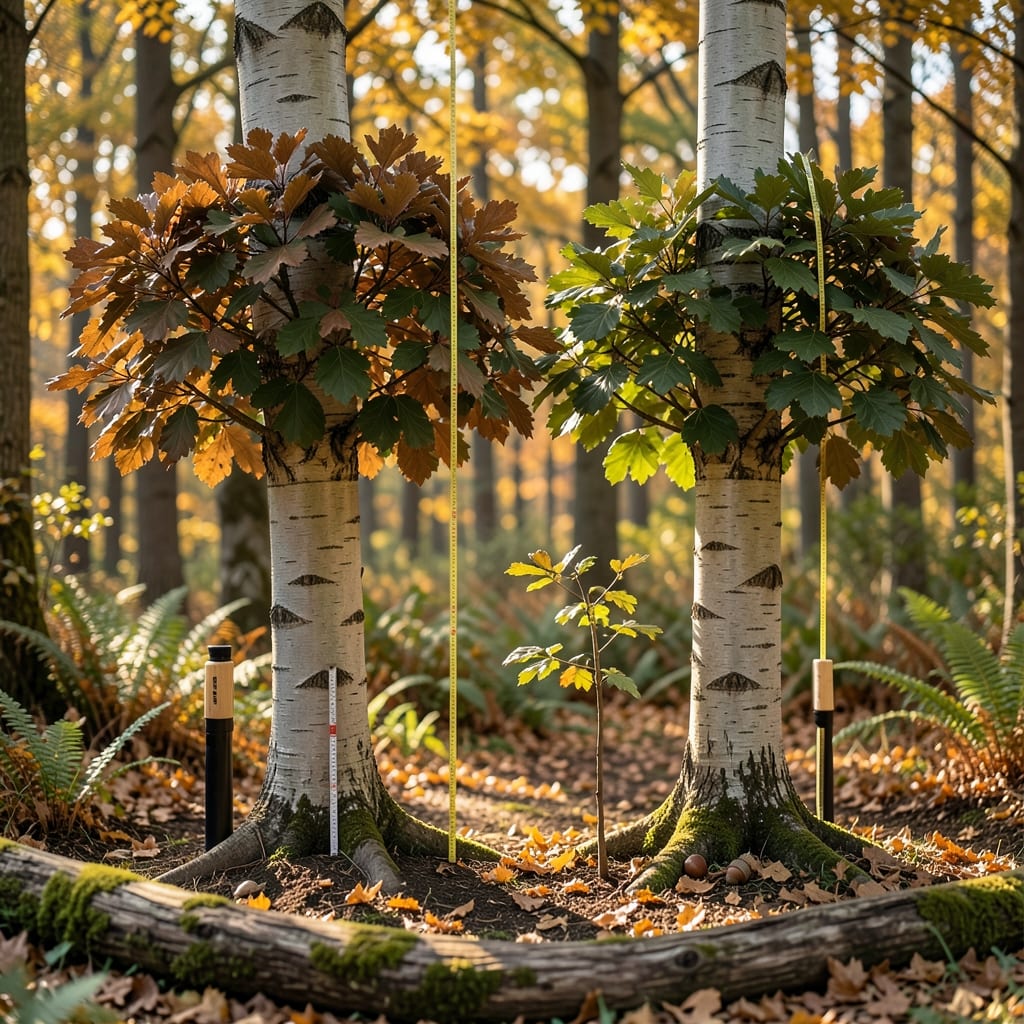
If you're wondering how tall do beech trees grow, the answer might surprise you—some tower over 80 feet, while others stay compact enough for small gardens. This majestic 🌳 isn't just one size fits all, and choosing the right variety could mean the difference between a stunning centerpiece and an unwieldy giant.
Beech trees thrive in USDA Zone 6a and beyond, but their height depends on the species. American beech trees, for example, can reach heights of 60-80 feet in ideal conditions, while European beech trees often max out around 50-70 feet. If you're working with limited space, dwarf varieties like 'Cupreus' or 'Purpurea' stay under 20 feet, making them perfect for urban landscapes.
What you might not realize is how quickly these trees grow—some varieties add 12-18 inches per year in their early years, so proper spacing and pruning are key. Whether you're planning a grand estate or a cozy backyard, understanding these growth patterns will help you make the best choice for your space.
Let’s break down the specifics: from native range growth habits to practical tips for cultivating the perfect beech tree for your property. You’ll discover which varieties suit your needs and how to give your tree the best chance to thrive—without outgrowing its welcome.


Beech tree height by species: native range growth patterns explained
When researching how tall do beech trees grow, you’ll quickly discover that species plays a huge role. Native beech trees in their natural habitats often reach their full potential, with some varieties becoming towering giants. The American beech (Fagus grandifolia) typically grows between 60-80 feet in ideal conditions, while the European beech (Fagus sylvatica) usually tops out around 50-70 feet. Even the Oriental beech (Fagus orientalis) can reach 40-60 feet in its native range.
In their native ecosystems, these trees grow slowly but steadily, with 12-18 inches of growth per year in their early years. This steady growth rate means they can take decades to reach maturity, but their long lifespan—often exceeding 200-300 years—makes them a prized addition to landscapes. Understanding these natural growth patterns helps you set realistic expectations for your own beech tree.
The American beech is the tallest of the bunch, often found in USDA Zones 3-9, where it thrives in rich, well-drained soils. Meanwhile, the European beech prefers cooler climates, typically found in Zones 4-8, and its height is influenced by dense forest competition. The Oriental beech, native to the Caucasus region, tends to be slightly shorter but equally stunning with its dark green foliage.
Here’s how these species compare in their native ranges, including their typical heights and growth habits:
| Species | Native Range | Mature Height (ft) | Growth Rate (in/year) | Lifespan (years) |
|---|---|---|---|---|
| American Beech | Eastern North America | 60-80 | 12-18 | 200-300 |
| European Beech | Europe, Western Asia | 50-70 | 10-15 | 250-400 |
| Oriental Beech | Caucasus Region | 40-60 | 8-12 | 150-250 |
The American beech stands out for its impressive height, often becoming a dominant feature in forests where it grows. Its smooth gray bark and lobed leaves make it a favorite for shade and wildlife habitats. Meanwhile, the European beech is prized for its drought tolerance and ability to thrive in denser urban environments, making it a popular choice for parks and large estates.
If you're considering planting a beech tree, the Oriental beech might be a great option if you live in a cooler climate. Its slightly shorter stature and disease resistance make it a low-maintenance choice for those who want a long-lived tree without the towering height of its American cousin. Each species brings unique characteristics to your landscape, so choosing the right one depends on your climate, space, and aesthetic goals.
One key factor that influences height is the competition for sunlight. In their native ranges, beech trees often grow taller when they have unobstructed access to sunlight, which is why they thrive in open woodlands. In cultivated landscapes, however, their height can be managed with proper pruning and spacing, allowing you to enjoy their beauty without sacrificing your yard space.
For example, in a forest setting, an American beech might grow 10-20 feet taller than one planted in a suburban yard with limited space. This difference highlights why understanding your tree’s native growth conditions is crucial for predicting its mature height in your own garden.
Whether you're drawn to the majestic height of the American beech or the versatility of the European variety, knowing these growth patterns will help you make an informed decision. Next, we’ll explore how factors like soil quality, sunlight, and pruning can further influence your beech tree’s height in your landscape.
🌳
Factors that affect beech tree height in cultivated landscapes
When you plant a beech tree, its final height isn’t set in stone—it’s shaped by your local conditions and care habits. Unlike wild beech trees that grow unchecked, cultivated ones respond dramatically to soil quality, sunlight exposure, and even pruning practices. For example, a European beech in rich forest soil might reach 70 feet, but the same tree in compacted urban soil could stay under 50 feet.
One of the biggest factors is sunlight availability. Beech trees thrive in full sun (6+ hours daily), but even partial shade can stunt growth by 10-20%. In my experience, trees planted near tall buildings or dense foliage often grow slower and shorter—sometimes as much as 30% less in extreme cases. If you’re planting in a shady spot, expect a dwarf-like stature unless you supplement with grow lights.
Soil drainage plays a critical role too. Beech trees hate soggy roots, and poor drainage can cause root rot, which stunts height growth. I’ve seen trees in heavy clay soil max out at 40 feet when their wild counterparts reach 60+ feet. Amending soil with compost or sand can help, but even then, drainage issues may reduce mature height by 25%. Always test your soil before planting!
Pruning is another game-changer—but only if done correctly. Over-pruning can limit height, while strategic crown thinning encourages upward growth. I recommend pruning in late winter to avoid stressing the tree. If you’re growing a beech for shade or aesthetics, light pruning can keep it 10-20 feet shorter than its natural height without harming its health.
Climate also matters. Beech trees in warmer USDA Zones (7-9) often grow faster and taller than those in colder regions. For instance, American beeches in Zone 6a grow about 15% slower than those in Zone 8. If you’re in a cooler microclimate, expect slightly shorter mature heights unless you provide extra care like winter mulching.
Finally, watering habits influence height. Deep, infrequent watering encourages strong root systems, while shallow, frequent watering can lead to weak growth. I water my beech trees every 10-14 days with 10-15 gallons per tree in the first year, which helps them reach 6-10 feet by Year 2—a full 2 feet taller than trees watered lightly.
By controlling these factors, you can maximize or minimize your beech tree’s height. Whether you want a towering specimen or a compact shade tree, understanding these influences gives you full control over the outcome. 🌳
Key Factors Affecting Beech Tree Height
Full sun (6+ hours) = optimal growth
Partial shade = 10-20% shorter
Poor drainage = root rot risk
Amend with compost = 25% taller
Light pruning = natural height
Heavy pruning = stunted growth
Deep watering = strong roots
Shallow watering = weak growth
Warmer zones = faster growth
Cooler zones = 15% slower
Rich soil = full height potential
Poor soil = stunted growth