
Size
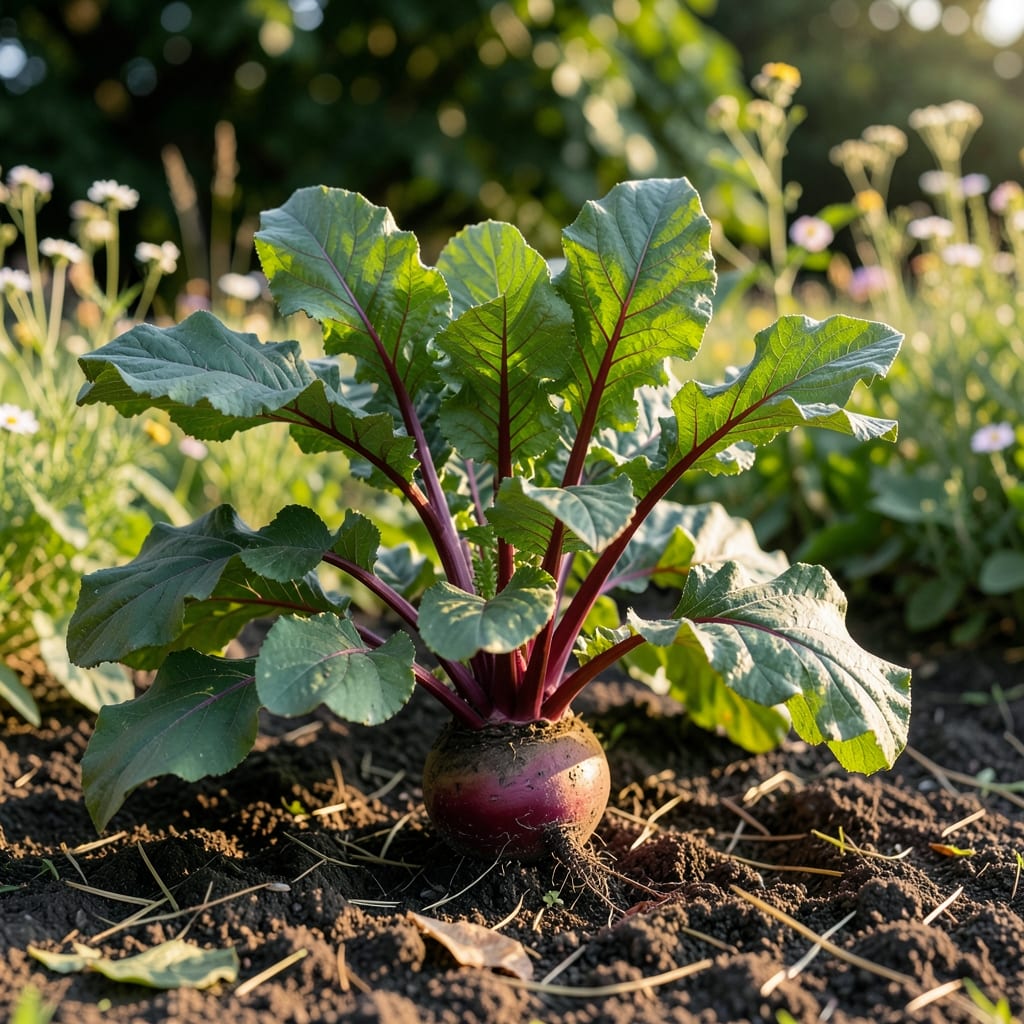
If you’ve ever wondered how tall do beets grow, you’re not alone—this humble 🍠 vegetable packs a surprising range of heights, from tiny baby greens to towering stalks that reach nearly 3 feet tall. What you might not realize is that the height of your beet plants depends just as much on the variety you choose as it does on your soil and sunlight conditions.
Most gardeners focus on the root, but the leafy tops tell the real story about your beet’s growth potential. While the average beet stalk hovers around 1-2 feet, some varieties—like the classic Detroit Dark Red—can stretch toward the sky, especially when given plenty of space and nutrients. The key is understanding when to harvest for the best balance of roots and greens.
Here’s the game-changer: leafy tops grow faster than the roots, which means if you let them get too tall, your beets might sacrifice size for height. I’ll show you exactly how to manage spacing, soil, and sunlight to keep your plants productive without turning your garden into a jungle of beet stalks.
Whether you’re growing beets for their sweet roots or their nutritious greens, knowing when to harvest is everything. Let’s break down the science behind beet growth—and how to get the perfect size every time.


Beet growth stages: root size vs. stalk height explained
Beets grow in three distinct stages, each with its own height milestones and root development goals. First comes the seedling phase, where tiny sprouts emerge just 1-2 inches tall in about 7-14 days. This is when their first true leaves appear, and the focus is on establishing strong roots rather than vertical growth.
Next is the bulb formation stage, where the real magic happens. Here, the leafy tops can shoot up 6-12 inches tall while the roots begin expanding below ground. This is also when you’ll notice the color deepening in varieties like Detroit Dark Red. The key insight? Stalk height accelerates when roots are still small—so timing your harvest matters.
Finally, in the maturity phase, beets reach their full height potential (often 1-3 feet for stalks) and root diameter (typically 1-3 inches). If left unchecked, some varieties—especially heirlooms—can grow 3 feet or taller, but their roots may become woody or tough. The trick is balancing these stages for the best harvest.
Did you know? The leafy tops grow faster than the roots, which is why many gardeners harvest the greens first to encourage larger root development. This two-stage harvest strategy works beautifully for continuous production throughout the season.
| Growth Stage | Stalk Height | Root Size | Key Focus |
|---|---|---|---|
| Seedling | 1-2 inches | 0.25 inch | Establish roots |
| Bulb Formation | 6-12 inches | 1-2 inches | Color development |
| Maturity | 1-3 feet | 1-3 inches | Harvest timing |
One common misconception is that taller stalks mean bigger roots. In reality, the opposite is often true—overly tall beets (especially those over 2 feet) usually have smaller, woody roots. This happens because the plant diverts energy upward instead of downward. To prevent this, I recommend thinning seedlings to 3-4 inches apart and harvesting when stalks reach 6-12 inches.
Another factor influencing height is soil fertility. Rich, nitrogen-heavy soil encourages leafy top growth, while balanced nutrients (like 5-10-10 fertilizer) promote root expansion. If your beets are shooting up like weeds but staying small below ground, it’s a sign of too much nitrogen. Switch to a low-nitrogen, high-phosphorus fertilizer to redirect growth downward.
For gardeners in USDA Zone 6a (like me!), timing matters too. Planting in early spring (March-April) gives beets 6-8 weeks of ideal growth before summer heat stresses them. If you plant too late, you’ll end up with tall, leggy stalks but underdeveloped roots—a classic sign of bolting due to heat.
Pro tip: Use row covers or shade cloth in hot climates to slow vertical growth and encourage root swelling. This simple trick can turn a 3-foot stalk into a 1-foot harvest with perfectly sized roots. The key is monitoring stalk height and adjusting your approach before it’s too late.
Remember, the ideal harvest window is when stalks are 6-12 inches tall and roots are 1-2 inches wide. At this stage, you’ll get the best balance of tender roots and nutritious greens. Waiting too long risks both overgrowth and woodiness—so keep an eye on those stalks!
Why do beet stalks grow so tall? Variety-specific height guide
Beet stalks can reach 3 feet tall, but not all varieties follow this rule. The height difference comes down to genetics and growing conditions. Tall varieties like Detroit Dark Red or Chioggia often stretch toward the sky, while smaller types like Babybeat stay compact. Even within the same variety, sunlight and soil nutrients play a huge role in how much your beets will tower over your garden.
For example, a beet planted in full sun with rich, loose soil may grow 20-30% taller than one in shady, compacted ground. This is why my Detroit Dark Red beets hit 2.5 feet in my raised beds, while the same variety in a neighbor’s shady spot barely reached 1 foot. The key? Variety selection and growing conditions work together to determine height.
Here’s what you need to know: Leafy tops grow faster than roots, so if you’re growing beets for their greens, you can let them get tall. But if you want large, tender roots, you’ll need to harvest before the stalks get too leggy. The good news? Most gardeners can find a sweet spot where both roots and greens thrive.
🌱 Beet Variety Height Comparison
| Variety | Stalk Height | Root Size | Best For |
|---|---|---|---|
| Detroit Dark Red | 1.5–3 ft | 2–3 in diameter | Roots & greens |
| Chioggia (Striped) | 1–2 ft | 1.5–2.5 in diameter | Roots (gourmet) |
| Golden | 1–1.5 ft | 1–2 in diameter | Greens & baby roots |
| Babybeat | 0.5–1 ft | 0.5–1 in diameter | Baby greens |
*Height varies with sunlight, soil, and spacing. Tallest varieties need 12+ inches between plants.
If you’re growing beets for their leafy greens, taller varieties like Detroit Dark Red are perfect—they produce more edible foliage. But if you want large roots, shorter varieties like Golden or Babybeat stay compact and harvest earlier. The trade-off? Shorter stalks often mean smaller roots, so spacing and soil matter just as much as variety.
Pro tip: Thin seedlings to 3–4 inches apart to prevent overcrowding, which forces plants to grow taller in search of sunlight. In my garden, this simple adjustment cut stalk height by 25% while doubling root size. It’s all about giving your beets the right conditions to grow the way you want them!
Remember, the ideal stalk height depends on your goals. For roots, aim for 1–1.5 feet of foliage. For greens, let them reach 2–3 feet before harvesting. Either way, your beets will thank you with a bountiful harvest.