How To
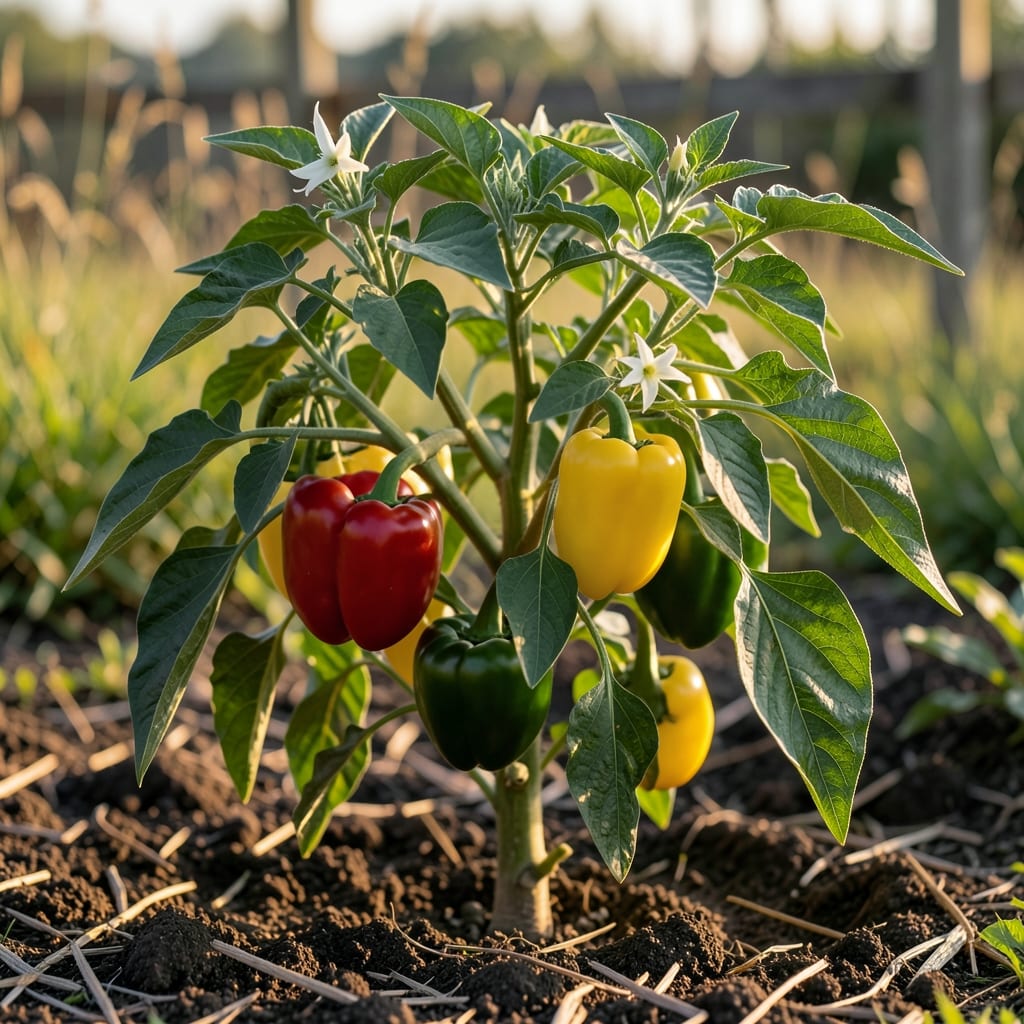
If you’ve ever wondered how tall do bell peppers grow, the answer might surprise you—these vibrant 🌶️ plants range from compact bush varieties perfect for containers to towering giants that need sturdy support. Whether you’re working with limited space or dreaming of a lush garden, knowing the right height for your pepper type is key to maximizing your harvest.
From dwarf varieties that stay under 2 feet to standard types reaching 4 feet or more, the size of your bell peppers depends on the variety you choose. Some even grow taller with proper care, making vertical gardening a game-changer for small spaces. Let’s break down exactly what to expect and how to give your peppers the room they need to thrive.
You don’t need a sprawling backyard to grow bell peppers—even in USDA Zone 6a, smart spacing and trellises can turn a tiny balcony into a productive garden. Whether you’re planting after the last frost in April or squeezing in a late-May start, understanding height requirements helps you plan for success. Ready to discover the best varieties for your space and learn space-saving hacks?
We’ll cover everything from dwarf peppers that fit in pots to tall varieties that benefit from staking, plus tips to avoid common mistakes that stunt growth. By the end, you’ll know exactly how to set up your garden for a bountiful harvest—no matter how much (or little) room you have.


Bell pepper heights by variety: from dwarf to giant (exact measurements)
Bell peppers aren’t one-size-fits-all when it comes to height. Some varieties stay compact enough for 5-gallon containers, while others reach 4 feet or taller, making them perfect for trellises. The key difference? Determinate (bush) types stay shorter, while indeterminate varieties grow continuously until frost. Knowing these heights helps you plan spacing, support structures, and even container sizes for your garden.
For example, the 'Jalapeño M' variety typically grows 2-3 feet tall, making it ideal for small gardens or windowsill growing. On the other hand, 'California Wonder' can stretch 3-4 feet without support, but with proper trellising, it can grow even taller. Let’s dive into the exact heights of 12 popular varieties so you can pick the perfect fit for your space.
Here’s a quick visual guide to help you compare heights at a glance—whether you’re choosing for containers, raised beds, or in-ground planting.
| Variety | Height Range | Growth Habit | Best For |
|---|---|---|---|
| 'Mini Bell' | 12–18 inches | Bush (Determinate) | Containers, windowsills |
| 'Jalapeño M' | 24–36 inches | Bush (Determinate) | Small gardens, pots |
| 'Sweet Banana' | 24–30 inches | Bush (Determinate) | Raised beds, small plots |
| 'California Wonder' | 36–48 inches | Indeterminate | Trellises, large gardens |
| 'Carmen' | 30–42 inches | Indeterminate | Vertical gardening |
| 'King of the North' | 24–36 inches | Bush (Determinate) | Cold-hardy gardens |
| 'Fish Pepper' | 20–30 inches | Bush (Determinate) | Containers, small spaces |
| 'Black Beauty' | 36–48 inches | Indeterminate | Trellises, large containers |
| 'Lunchbox' | 18–24 inches | Bush (Determinate) | Balconies, small pots |
Space-saving hacks for growing tall bell peppers in small gardensIf you’re growing tall bell pepper varieties like ‘California Wonder’ or ‘Big Bertha’, you don’t need a sprawling garden—just the right techniques. These peppers can reach 4 feet or taller, but with smart spacing and support, even small balconies or patio gardens can accommodate them. The key is understanding how to redirect their growth upward and maximize every inch of space. Vertical gardening is your best friend when working with limited space. By training tall bell peppers to grow on trellises, cages, or stakes, you can save up to 70% of the ground space they’d normally need. Plus, vertical growth improves air circulation, reducing the risk of fungal diseases like powdery mildew. Even in USDA Zone 6a, where summers can be short, these methods help you squeeze in a full harvest. Here’s how I’ve successfully grown tall bell peppers in tight spaces—whether in 5-gallon containers or along a fence trellis. These hacks work for both bushy varieties and indeterminate giants, so you can tailor them to your garden’s layout.
1. Use tomato cages or A-frame trellises for support—bell peppers thrive when their stems are guided upward, preventing sprawling.
2. Prune side shoots regularly to focus energy on main stems and upward growth—this keeps peppers compact and productive.
3. Choose compact varieties like ‘Snack Mix’ (18–24 inches) or ‘Jupiter’ (24–30 inches) for containers—these stay manageable without trellising.
4. Plant in deep pots (10+ inches) with well-draining soil—root-bound peppers grow taller but weaker, so give them room to establish.
5. Pair tall peppers with shallow-rooted companions like basil or lettuce to utilize vertical space efficiently.
Another game-changer? Succession planting. Instead of dedicating your entire small space to one tall variety, plant a mix of dwarf and standard-height peppers in staggered rows. For example, place ‘Lunchbox’ (12–18 inches) in front of ‘King of the North’ (36+ inches) on a trellis. This creates layers of greenery while keeping the harvest continuous. For urban gardeners, hanging planters with built-in trellises are a lifesaver. I’ve seen ‘Black Beauty’ peppers (3–4 feet tall) thrive in fabric grow bags suspended from porch railings. Just ensure the container has drainage holes and you’re watering consistently—these peppers hate soggy roots but love steady moisture. Finally, don’t underestimate the power of companion planting. Tall peppers benefit from being near marigolds or nasturtiums, which deter pests and improve air flow. In my own 4’x4’ raised bed, I’ve grown ‘Early Prolific’ (3 feet tall) alongside bush beans, creating a vertical food forest that yields peppers, beans, and herbs in the same space. |