
Vegetables
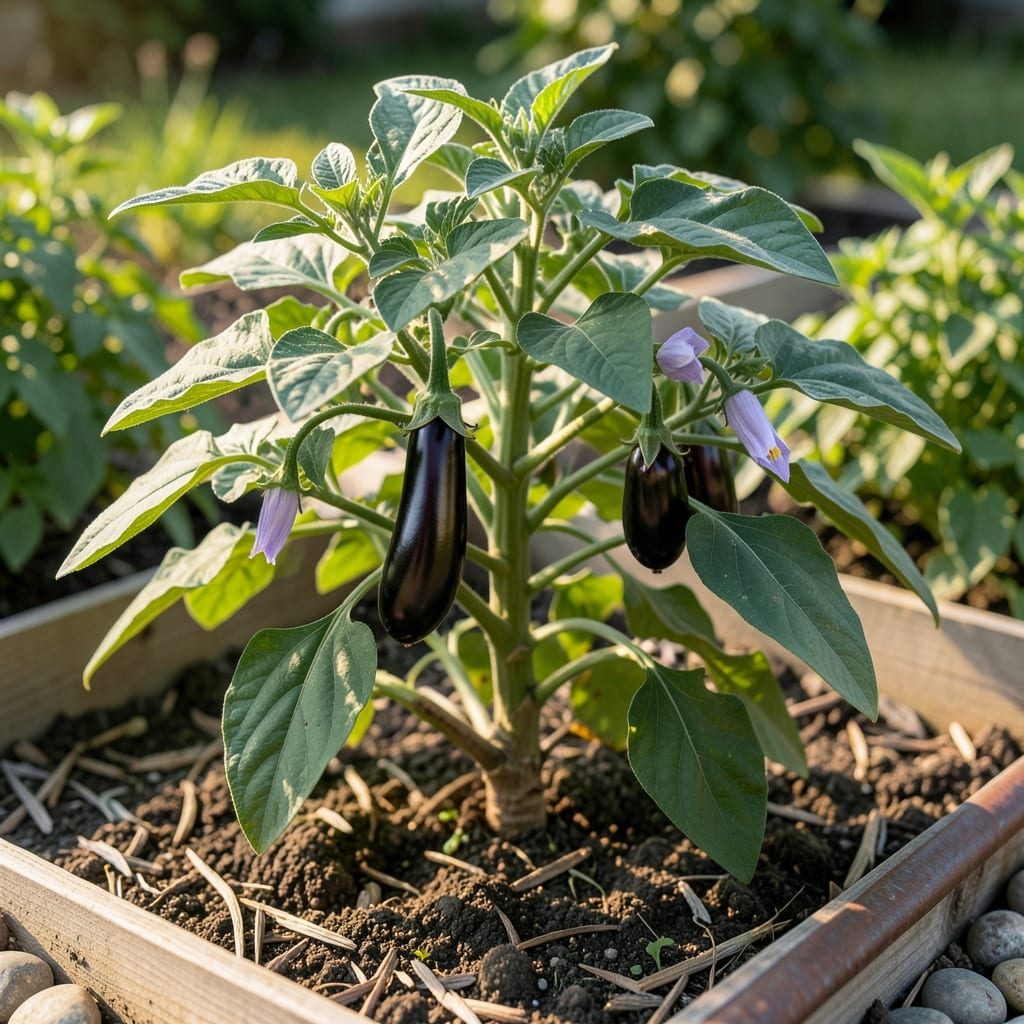
If you’ve ever wondered how tall do Black Beauty eggplants grow, you’re not alone—this classic variety can stretch skyward like a purple jungle vine, often surprising even seasoned gardeners with its height.
Understanding how tall Black Beauty eggplants grow is key to managing your garden space and maximizing your harvest. Without intervention, these plants typically climb to 3–4 feet, but with the right techniques, you can keep them more compact while still enjoying a bumper crop of glossy, deep-purple fruit.
In this guide, I’ll break down everything you need to know—from their natural growth habits to practical pruning tips that’ll help you control their height without sacrificing yield. Whether you’re working with limited space or just want to keep your garden neat, these insights will make all the difference.
Ready to transform your eggplant patch from wild overgrowth to a tidy, productive corner of your garden? Let’s dive in and uncover the secrets to managing Black Beauty eggplant height like a pro.


Black Beauty eggplant height: natural growth range & how to measure it
Black Beauty eggplants are known for their impressive growth rate, but many gardeners underestimate just how tall they can become when left unchecked. Without proper care, these plants can reach heights of 3–5 feet, though most gardeners report a more typical mature height of 2–3 feet under standard growing conditions.
The key to managing their height lies in understanding their growth stages. Seedlings start small but quickly develop into robust plants with thick stems and sprawling branches. By the time they’re producing fruit, their height can become a challenge in smaller gardens or containers.
To accurately measure Black Beauty eggplant height, use a simple tape measure or ruler along the main stem from the soil line to the highest point of the plant. Record measurements every 2–3 weeks to track growth patterns and adjust care as needed.
Environmental factors play a huge role in determining how tall your plants grow. Full sun exposure (6+ hours daily) encourages vertical growth, while rich, well-draining soil provides the nutrients needed for rapid development. In cooler climates (USDA Zones 6–9), growth may be slightly slower, while warmer zones see faster, taller plants.
Temperature also affects height—plants in 80°F+ conditions can grow 1–2 feet taller than those in cooler weather. If you’re in a hot climate, expect your plants to stretch toward the sky unless you intervene with pruning or support structures.
Here’s how Black Beauty eggplants typically grow under different conditions:
| Growth Condition | Typical Height | Key Factors |
|---|---|---|
| Unpruned, full sun | 3–5 ft | Rapid vertical growth, sprawling branches |
| Pruned regularly | 1.5–3 ft | Controlled height, more fruit production |
| Container-grown | 1.5–2.5 ft | Limited root space restricts height |
| Cool climate (Zones 6–7) | 2–3 ft | Slower growth, shorter stature |
| Hot climate (Zones 8–10) | 3–5 ft | Faster growth, taller plants |
If your plants are exceeding your desired height, don’t panic—there are simple ways to manage their growth without sacrificing yield. Start by pruning the top growth when plants reach 2 feet tall, which encourages bushier growth and more fruit production.
Another trick is to use cage supports or stakes to guide their growth upward rather than outward. This not only controls height but also makes harvesting easier and reduces the risk of fruit touching the soil (which can lead to rot).
For container gardeners, choose pots that are at least 12–18 inches deep to accommodate root growth without restricting height. Shallow containers will stunt growth but may also limit fruit size and yield.
Remember, the goal isn’t just to control height but to optimize fruit production. By understanding how Black Beauty eggplants grow and adjusting your care accordingly, you’ll enjoy a bountiful harvest without the chaos of overgrowth.
Black Beauty eggplant height: natural growth range & how to measure it
When I first planted Black Beauty eggplants, I was shocked by how quickly they shot up—some reaching nearly 5 feet tall without any pruning! These plants are classified as semi-bush varieties, meaning they grow upright but can sprawl if left unchecked. Understanding their natural height helps you plan spacing and support structures from day one.
The average mature height for Black Beauty eggplants typically falls between 3–4 feet when grown in ideal conditions. However, with proper pruning and care, you can easily keep them between 2–3 feet tall, making them more manageable in smaller gardens or containers. This height variation is why many gardeners struggle to predict how much space to allocate.
To accurately measure your Black Beauty eggplant height, use a simple tape measure or ruler from the base of the stem to the highest point of the plant. Take measurements every 2–3 weeks during the growing season to track progress. This helps you identify when the plant starts to bolt vertically, signaling it’s time to prune for better fruit production.
| Growth Stage | Height Range | Key Characteristics |
|---|---|---|
| Seedling | 0–6 inches | Delicate stems, first true leaves |
| Vegetative | 1–2 feet | Rapid vertical growth, leafy canopy |
| Flowering | 2–3 feet | Flowers appear, fruit begins forming |
| Mature (Unpruned) | 3–5 feet | Tall, sprawling, heavy fruit load |
| Mature (Pruned) | 1.5–3 feet | Compact, bushier, higher yield |
Several factors influence how tall your Black Beauty eggplants grow, including sunlight exposure, soil fertility, and temperature. For example, plants in full sun (6+ hours daily) tend to grow taller and produce more fruit, while those in partial shade may stay shorter but yield less. Similarly, rich, well-draining soil encourages robust growth, while poor soil can stunt height and reduce fruit size.
If you’re growing Black Beauty eggplants in containers, their height will naturally be more controlled due to limited root space. A 5-gallon pot typically restricts growth to about 2–3 feet, making them ideal for balconies or patios. Just ensure the container has drainage holes to prevent root rot, which can further limit growth.
One common misconception is that taller eggplants always mean a better harvest. In reality, overly tall plants can become top-heavy, leading to broken stems or poor fruit development. By monitoring height and pruning strategically, you can channel the plant’s energy into producing larger, healthier fruit rather than excessive foliage.