
How To
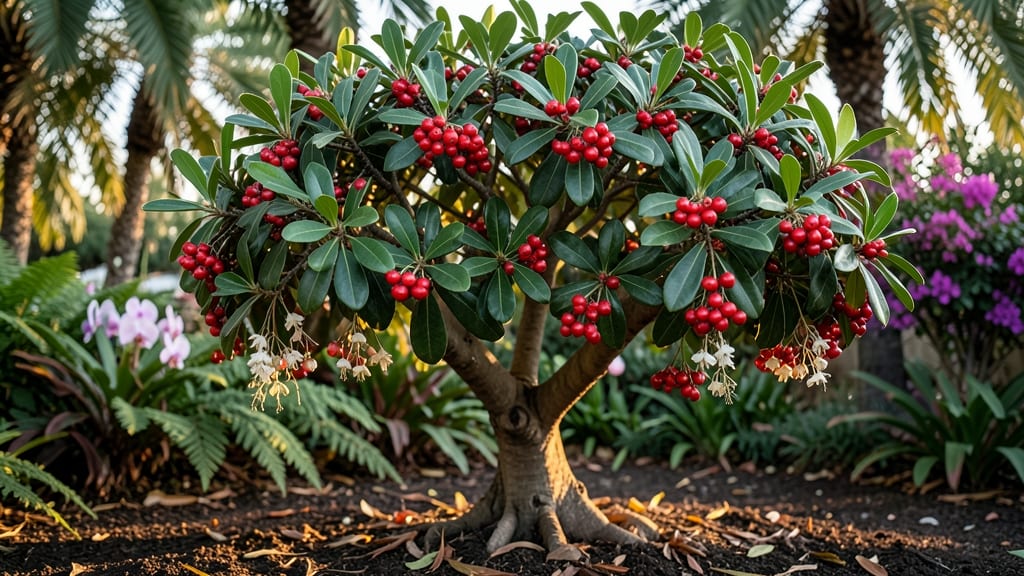
Wondering how tall do Clusia plants grow and whether they’ll overwhelm your garden? These tropical beauties—often called "jewel box plants"—can reach heights that surprise even seasoned gardeners, but their growth depends on more than just time.
From 6 feet of lush foliage to towering 20-foot shrubs, Clusia varieties like Clusia rosea offer dramatic options for both indoor and outdoor spaces. If you’re dreaming of a shade-loving plant that adds texture without demanding full sun, understanding these height ranges is your first step to success.
What’s even better? You can control their size with simple pruning techniques or container choices. Whether you’re working with limited space or aiming for a bold garden statement, this guide will help you match your vision to reality.
Let’s break down the factors that shape Clusia’s growth—so you can grow the perfect plant for your space, no matter how big (or small) your dreams are.


Clusia plant height by variety: from dwarf to towering giants
If you're falling for Clusia's glossy leaves and exotic blooms, you're probably wondering: how tall will my Clusia grow? The answer depends entirely on the variety—some stay compact enough for tabletop displays, while others become small trees that dominate your garden's skyline.
Let me break down the mature height ranges for the most popular Clusia species so you can plan your space accordingly.
Most Clusia plants fall into the 6–20 ft mature height range, but their growth habits vary wildly. For example, Clusia rosea—the classic Christmas Clusia—typically reaches 10–15 ft in ideal conditions, while dwarf varieties like Clusia minor max out at 3–6 ft.
Understanding these differences helps you choose the perfect plant for your garden layout, container size, or indoor space.
Here’s a quick snapshot of what to expect from the most commonly grown Clusia varieties, including their growth habits and ideal environments. This will help you visualize how each might fit into your space.
As you can see, Clusia rosea and Clusia grandiflora are the tallest varieties, making them standout focal points in shady garden corners or as indoor statement plants near high ceilings.
Meanwhile, Clusia minor and Clusia multiflora are perfect for small gardens, patios, or even as houseplants if given the right light. Always check the specific variety’s tags when purchasing, as nurseries sometimes label plants differently.
One common misconception is that all Clusia plants grow into tall trees. In reality, their height is heavily influenced by growing conditions.
For instance, a Clusia rosea in a small container might only reach 4–5 ft, while the same plant in well-draining garden soil with partial shade could easily hit 12–15 ft. This flexibility makes Clusia incredibly adaptable to different spaces.
If you’re planning to grow Clusia indoors, height control becomes even more critical. A 6 ft ceiling might feel cramped for a Clusia grandiflora, while a Clusia minor would thrive in a hanging basket or shelf.
Always measure your space and choose a variety that fits—pruning can help, but it’s better to start with the right size for your environment. 🪴
For those in USDA Zones 10–11, where Clusia thrives outdoors year-round, height isn’t just about aesthetics—it’s also about wind resistance and structural integrity. A 15 ft Clusia in a breezy location might need staking or support to prevent leaning.
In contrast, dwarf varieties are far more self-sufficient and require minimal intervention. 🌿
Next, let’s dive into the key factors that determine whether your Clusia will stay compact or shoot up like a jungle giant. From light exposure to soil type, these elements can double or halve your plant’s expected height.
Stay tuned for practical tips to shape your Clusia exactly how you want it! ✂️
Factors that control Clusia growth height: light, soil, and pruning secrets
When it comes to Clusia plant height, understanding the key factors that influence growth is essential. Unlike some plants that grow predictably, Clusia can vary significantly based on its environment.
The light conditions, soil quality, and pruning habits all play critical roles in determining whether your plant reaches 6 feet or towers toward 20 feet. Let’s break down how each factor impacts height so you can tailor your care for the perfect size.
First, sunlight exposure is one of the biggest height regulators. While Clusia thrives in partial shade, too little light can stunt growth, while too much direct sun—especially harsh afternoon rays—can cause leggy, stretched stems.
If you’re growing Clusia indoors near a west-facing window, expect faster vertical growth compared to a north-facing spot. For outdoor plants, morning sun with afternoon shade keeps growth balanced and compact.
Next, soil composition directly affects root development and nutrient uptake, which in turn influences height. Clusia prefers well-draining, slightly acidic soil (pH 5.0–6.5). Heavy, compacted soil can restrict root growth, leading to shorter stature, while loose, airy mixes encourage taller, more vigorous plants.
Amend your soil with peat moss or perlite to improve drainage and promote healthier, taller growth over time.
Don’t overlook the impact of pruning techniques. Regular pruning isn’t just for shaping—it’s a tool to control height. Pinching back new growth in early spring encourages bushier, more compact growth, while hard pruning (cutting back by 1/3) can reset height and stimulate new shoots.
For indoor Clusia, prune just above a leaf node to redirect energy toward lateral branches rather than vertical growth.
Another often-overlooked factor is container size. If you’re growing Clusia in pots, root-bound conditions can actually stunt height growth as the plant focuses energy on filling the container. Upgrade to a 1-2 inch larger pot every 2–3 years to allow roots to expand and support taller growth.
For outdoor plants, ensure the hole is twice as wide as the root ball to prevent early height restrictions.
Finally, fertilization timing and type matter. Over-fertilizing with high-nitrogen blends can lead to rapid, weak growth that’s prone to stretching. Instead, use a balanced 10-10-10 fertilizer every 6–8 weeks during the growing season (spring and summer) to encourage steady, controlled height increase.
Reduce or stop fertilizing in fall and winter to allow the plant to focus on root development rather than vertical growth.
By mastering these height-control factors, you can guide your Clusia to reach your desired size—whether that’s a compact 6-foot shrub for small spaces or a towering 20-foot specimen for tropical landscapes. Experiment with light, soil, and pruning to find the perfect balance for your garden! 🌿