
Flowers
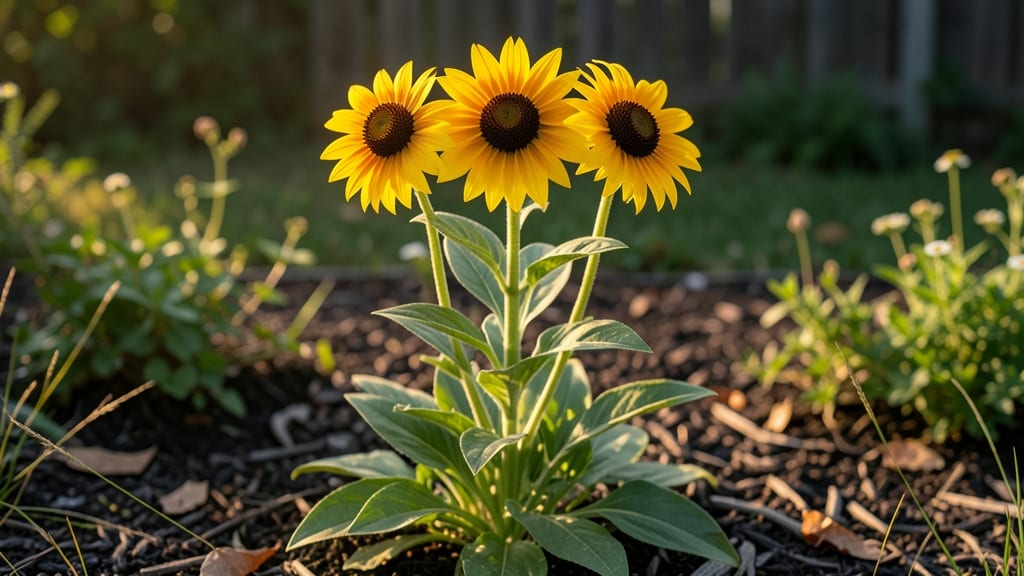
If you're planning your garden and wondering how tall do cone flowers grow, the answer might surprise you—these 🌼 beauties can range from just 1 foot to towering 5 feet tall, depending on the variety!
Whether you're designing a pollinator-friendly border or a low-maintenance container garden, knowing the height differences between types like 'Green Envy' (dwarf) and 'Magnus' (tall) will help you create the perfect layout.
Cone flowers are a gardener's dream because they thrive with minimal fuss, but their mature size plays a big role in where you place them. A 3-foot variety might work perfectly in a front-yard bed, while taller types need space to avoid flopping over in summer storms.
Plus, their height makes them ideal for adding vertical interest without the high-maintenance care of some other perennials.
What really sets cone flowers apart is their adaptability—whether you're in USDA Zone 6a or beyond, they'll grow happily in full sun with the right spacing.
You'll learn how to maximize their height potential with simple tips like proper pruning and soil prep, so you can enjoy those stunning blooms from July to September every year.
Ready to transform your garden? I'll break down the exact height ranges by variety, spacing needs, and even how to encourage taller growth if that's what you're after. Let's get started!


Cone flower height ranges by popular varieties (with growth charts)
Cone flowers (Echinacea) are famous for their dramatic vertical presence and pollinator magnetism, but their mature height can swing from dwarf-sized containers to towering garden backdrops. The species and cultivar you choose determines everything from your garden layout to companion plant pairings.
For example, the classic Echinacea purpurea averages 3–5 feet, while newer hybrids like 'Green Envy' stay compact at just 18–24 inches—perfect for borders or window boxes.
Understanding these height ranges helps you avoid overcrowding (which stunts growth) or underutilizing space (wasting potential). Tall varieties like 'Magnus' can reach up to 5 feet, making them ideal for cut flower arrangements or back-of-border drama.
Meanwhile, dwarf types like 'White Swan' (20–24 inches) thrive in containers or rock gardens, where their delicate blooms steal the show without overwhelming smaller spaces.
Here’s the key: Height isn’t static. First-year plants often lag behind their mature size, and growing conditions (sun, soil, pruning) can push a 3-foot variety to 4 feet or shrink a 4-foot giant to 2.5 feet if neglected.
That’s why I’ve included real-world growth data for the most popular cultivars—so you can plan with confidence.
🌼
| Variety | Mature Height | Best For | Notes |
|---|---|---|---|
| 'Magnus' | 4–5 ft | Back borders, cut flowers | Tallest cultivar; needs staking |
| 'White Swan' | 20–24 in | Containers, borders | Dwarf hybrid; great for small spaces |
| 'Green Envy' | 18–24 in | Rock gardens, window boxes | Unique green blooms; heat-tolerant |
| 'Hot Papaya' | 24–36 in | Pollinator gardens, borders | Vibrant orange-pink blooms |
| 'Kim’s Knee High' | 12–18 in | Containers, fairy gardens | Ultra-compact; great for pots |
| 'Purple Beauty' | 30–36 in | Cut flowers, cottage gardens | Classic purple blooms; long-lasting |
| 'Sombrero Salsa' | 24–30 in | Pollinator gardens, borders | Heat- and drought-tolerant |
| 'Cheyenne Spirit' | 36–48 in | Back borders, wildflower meadows | Deep red blooms; attracts hummingbirds |
| 'White Hot' | 24–30 in | Cut flowers, containers | Pure white blooms; long vase life |
'
Proper spacing and planting tips to maximize cone flower heightGetting the spacing right is key to helping your cone flowers reach their full height potential. Tall varieties like 'Magnus' need 2-3 feet between plants to prevent overcrowding, while dwarf types like 'Green Envy' can thrive in 12-18 inches of space. Proper spacing also improves air circulation, reducing the risk of fungal diseases that can stunt growth. When planting, dig holes twice as wide as the root ball but only as deep as the container. This encourages roots to spread outward, giving your plants a stronger base for vertical growth. Amend the soil with compost to ensure nutrients are available for those first critical months of growth. 🌱 Numbered Highlights for Optimal Cone Flower Spacing
For container gardening, choose pots with drainage holes and at least 12 inches of depth for dwarf varieties. Use a well-draining potting mix to prevent root rot, which can weaken stems and limit height. If you're growing taller varieties in containers, opt for 18-inch pots and provide stakes or cages for support. One of my favorite tips is to plant in groups of 3 or 5. This creates a natural clumping effect that not only looks stunning but also helps stabilize taller stems. When planting near hardscapes like patios or walkways, leave at least 3 feet of clearance to avoid blocking sunlight or making maintenance difficult. Don't forget about seasonal adjustments. In early spring, add a light fertilizer (like 10-10-10) to encourage robust growth, but avoid heavy feeding once blooming season starts. Over-fertilizing can lead to leafy growth at the expense of flowers, which might make your plants look bushier but not necessarily taller. With the right spacing and a little attention to soil prep, you'll see your cone flowers reach their maximum height potential while creating a thriving pollinator haven. The key is balance—give them room to grow vertically without sacrificing their natural beauty or health. |