
How To
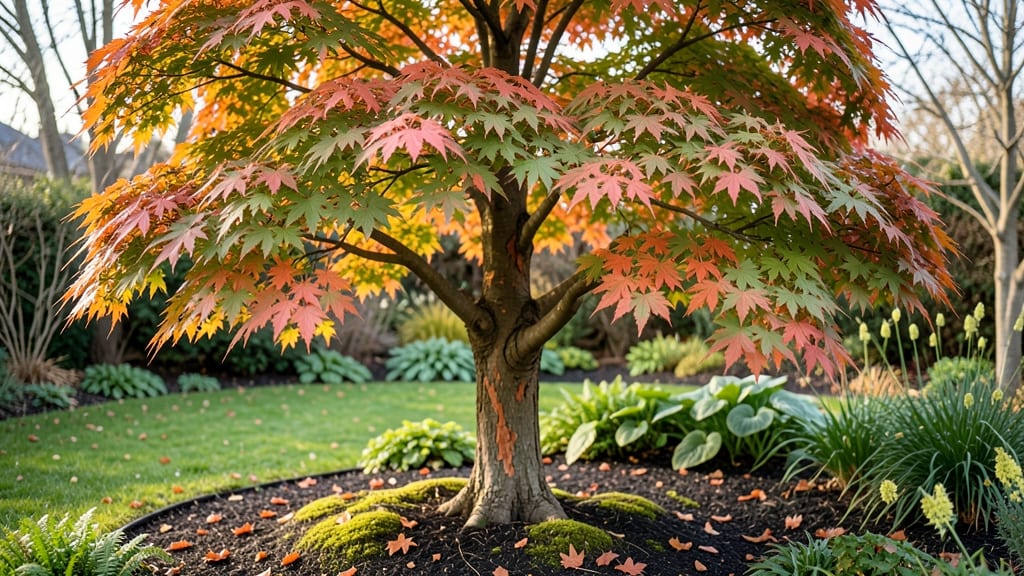
If you're wondering how tall do coral bark maples grow, you're not alone—this stunning 🌳 tree can become a landscape centerpiece, but its mature size depends on more than just genetics.
Whether you're planning a small urban garden or a sprawling backyard, knowing the right height range helps you place it perfectly for maximum impact.
The coral bark maple typically reaches between 15 and 30 feet at maturity, but the exact height varies by variety and growing conditions. Some dwarf types stay under 15 feet, while standard varieties can tower over 20 feet, making them ideal for both tight spaces and grand landscapes.
Let’s break down what influences its growth and how to choose the perfect fit for your yard.
Sunlight plays a critical role in determining how tall your coral bark maple will grow. Full sun exposure encourages faster growth and more vibrant bark color, while partial shade can keep it slightly shorter but still stunning.
Understanding these factors will help you optimize its placement for both beauty and health.
Ready to make an informed decision? I’ll walk you through the key varieties, sunlight needs, and care tips to ensure your coral bark maple thrives—and fits seamlessly into your outdoor space. Let’s get started!


Coral bark maple height ranges by variety: small to large options
When planning your garden, knowing the mature height of coral bark maples is crucial. These stunning trees—like Acer palmatum 'Sango-kaku'—grow at different rates depending on the variety. Some stay compact, perfect for small yards, while others reach towering heights, making them statement pieces in large landscapes.
The average coral bark maple height at maturity ranges from 15 to 30 feet, but specific varieties can vary significantly. For example, the classic 'Sango-kaku' typically reaches 20 to 25 feet, while dwarf varieties like 'Emperor I' stay under 15 feet.
Understanding these differences helps you choose the right tree for your space.
Here’s a quick breakdown of popular coral bark maple varieties and their mature heights to help you visualize their potential in your garden:
| Variety | Mature Height (ft) | Spread (ft) | Best For |
|---|---|---|---|
| Acer palmatum 'Sango-kaku' | 20-25 | 15-20 | Medium to large gardens |
| Acer palmatum 'Bloodgood' | 15-20 | 10-15 | Urban yards, small landscapes |
| Acer palmatum 'Emperor I' | 12-15 | 8-10 | Containers, small spaces |
| Acer palmatum 'Orangeola' | 25-30 | 20-25 | Large landscapes, focal points |
If you're working with limited space, the 'Emperor I' variety is an excellent choice. It stays under 15 feet and fits beautifully in containers or small gardens. Meanwhile, the 'Orangeola' variety can reach 30 feet, making it ideal for spacious properties where you want a dramatic, eye-catching tree.
When planning your landscape, consider not just the height but also the spread of the tree. Coral bark maples have a broad canopy, so ensure there’s enough room for their branches to spread without crowding other plants or structures.
For example, the 'Sango-kaku' has a spread of 15 to 20 feet, so planting it too close to a fence or house could lead to future issues. Always measure your space and leave room for the tree to grow to its full potential.
Another factor to consider is the growth rate. Coral bark maples grow at a moderate pace, typically adding 1 to 2 feet per year in ideal conditions.
This means it may take 10 to 15 years to reach its mature height, so patience is key if you're planting one now.
To encourage healthy growth and vibrant bark color, provide your coral bark maple with well-draining soil and 6+ hours of sunlight daily. Avoid waterlogged conditions, as these trees are sensitive to root rot. Mulching around the base can also help retain moisture and regulate soil temperature.
Finally, if you're unsure about spacing or variety selection, consult a local nursery or arborist. They can provide tailored advice based on your climate and garden layout, ensuring your coral bark maple thrives for decades to come.
How sunlight affects coral bark maple growth: height & spread variations
Sunlight is the #1 factor determining how tall your coral bark maple will grow. While these trees thrive in full sun to partial shade, their mature height and canopy shape change dramatically based on light exposure.
In full sun (6+ hours daily), they grow faster and reach their maximum height potential—often 20-30 feet—while partial shade can keep them shorter but denser, around 15-20 feet.
For vibrant coral-red bark, place your tree in full morning sun with afternoon shade, especially in hot climates. This balance prevents stress while maximizing color intensity. Without enough light, the bark may fade to a dull orange, and growth slows significantly.
The spread of your coral bark maple also depends on sunlight. In full sun, branches spread wider (up to 25 feet), creating a bold, open canopy.
In partial shade, the spread tightens (15-20 feet), making it ideal for smaller yards. Understanding this helps you plan spacing and avoid overcrowding nearby plants.
🌞 Full Sun (6+ Hours Daily)
- Faster growth (20-30 ft mature height)
- Brighter coral-red bark
- Wider canopy (25 ft spread)
- May need more water in heat
- Risk of leaf scorch in extreme heat
🌿 Partial Shade (3-6 Hours Daily)
- Slower growth (15-20 ft mature height)
- Denser foliage, shade-tolerant
- Less water needed
- Duller bark color
- Narrower canopy (15-20 ft spread)
To maximize both height and bark vibrancy, I recommend planting your coral bark maple in a spot with morning sun and afternoon shade. This setup mimics natural forest conditions, reducing stress while encouraging steady growth.
If your yard has limited sunlight, choose a dwarf variety like 'Emperor I,' which thrives in partial shade while staying under 15 feet.
Pruning also plays a role in managing height. If your tree grows taller than desired, prune in late winter to remove upward-growing branches. This redirects energy to lateral growth, creating a fuller, shorter silhouette. Just avoid heavy pruning—these trees respond best to light shaping rather than drastic cuts.
For the best results, monitor your tree’s growth annually and adjust its placement if needed. A coral bark maple in the right light conditions will reward you with stunning seasonal color and a perfect fit for your landscape—whether you want a towering focal point or a compact accent tree. 🌿