
How To
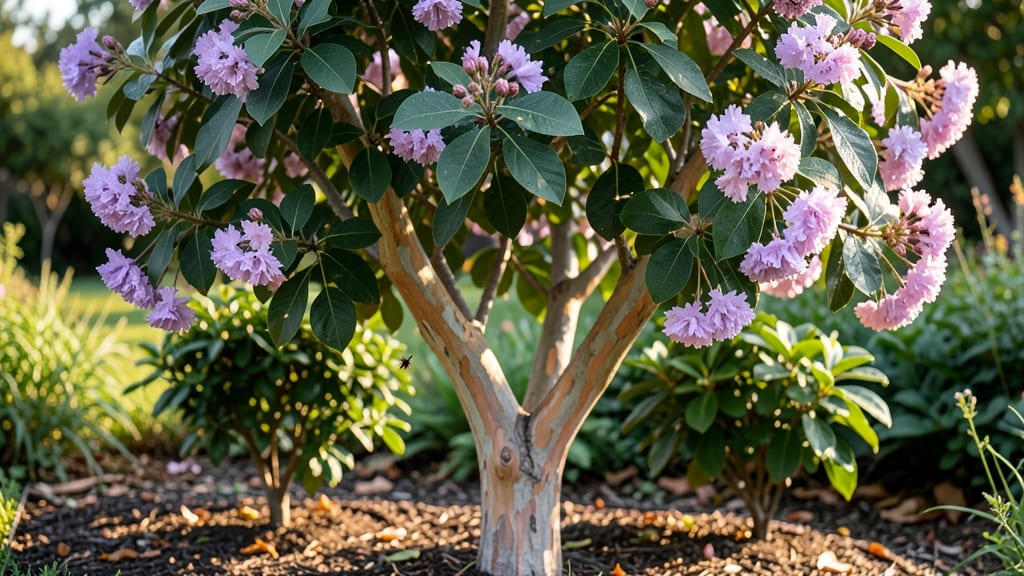
If you’ve ever stood staring at your crepe myrtle 🌳 wondering how tall this tree will grow, the answer isn’t as simple as you might think.
These stunning trees can range from compact shrubs to towering giants, depending on the variety you’ve planted—and yes, even your pruning habits play a surprisingly big role.
The most dramatic difference? Dwarf varieties like 'Tonto' max out around 6-12 feet, while standard types such as 'Natchez' can soar to 20-30 feet or more.
That’s the kind of growth that’ll have you reaching for your ladder before you know it, so understanding your specific cultivar is the first step to keeping things manageable.
But here’s the good news: with the right techniques, you can gently guide your crepe myrtle’s height without sacrificing its beauty. We’ll show you exactly how to prune for natural control—when to trim, what to avoid cutting, and why some gardeners swear by winter pruning over summer.
No more guessing games about whether your tree will stretch toward the clouds.
Ready to take the mystery out of managing your crepe myrtle’s height? Let’s dive into the secrets that’ll keep your tree looking stunning while staying exactly where you want it—whether that’s at eye level or as a graceful backyard sentinel.


Crepe myrtle height by variety: from dwarf to giant trees
Crepe myrtles are famous for their dramatic height variations, ranging from compact shrubs to towering trees. The final height of your crepe myrtle depends entirely on the cultivar you choose—some stay under 6 feet, while others reach 30 feet or more!
Understanding these differences helps you plan your landscape layout and avoid overcrowding.
For example, the 'Natchez' variety is a dwarf crepe myrtle that maxes out at 6-8 feet, making it perfect for small yards or container gardening. On the other hand, the 'Arapaho' or 'Tonto' varieties can grow 20-30 feet tall, rivaling small oak trees.
These giants need ample space and may require regular pruning to keep them manageable.
Here’s the key: Dwarf varieties are bred for controlled growth, while standard varieties are left to grow naturally tall. If you love the lush blooms but hate the height commitment, opt for a semi-dwarf like 'Rapid Fire', which tops out at 12-15 feet.
Your choice impacts not just height but also maintenance needs and bloom intensity.
🌱
Beyond the cultivar, your crepe myrtle’s height is influenced by soil quality, sunlight exposure, and watering habits. For instance, poor drainage can stunt growth, while rich, well-draining soil encourages rapid height increases.
If you’re planting in USDA Zone 7-9 (their ideal range), expect 1-2 feet of growth per year for standard varieties.
Pro tip: Measure your space before planting. A 25-foot-tall crepe myrtle needs at least 15 feet of clearance from structures, power lines, and sidewalks. Always check your local planting codes—some neighborhoods restrict tall trees to avoid obstructions.
If you’re unsure, start with a dwarf variety and prune as needed to avoid regrets.
Another factor to consider is the age of your crepe myrtle. In their first year, most varieties grow only 2-4 feet, but by year three, they can double in height.
This rapid growth is one reason they’re called the "miracle tree"—but it also means you’ll need to plan for long-term height management if you choose a tall variety.
For urban gardeners with limited space, container-grown crepe myrtles are a game-changer. Varieties like 'Natchez' or 'Centennial' thrive in large pots and can be pruned aggressively to stay under 6 feet. Just ensure your container has drainage holes and use a lightweight potting mix to prevent root bound conditions.
🌿
If you’re torn between varieties, think about your long-term goals. Do you want a privacy screen? A shade tree? Or just a beautiful blooming shrub? Standard varieties like 'Tonto' or 'Arapaho' deliver dramatic height and color, while dwarf varieties offer low-maintenance elegance.
Whichever you choose, remember: pruning is your best friend for controlling height naturally.
Finally, don’t
Natural pruning techniques to control crepe myrtle height without harming the tree
Pruning your crepe myrtle isn’t just about keeping it tidy—it’s the secret weapon for controlling its height naturally. With the right techniques, you can guide its growth to fit your space without stressing the tree. The key? Timing, precision, and patience—never hack away at random branches!
Most gardeners make the mistake of pruning at the wrong time, which can stimulate unwanted growth or even harm the tree. I’ve learned the hard way that winter is the best time to prune crepe myrtles, right after dormancy but before new buds swell.
This ensures clean cuts and minimal stress on the tree.
Here’s my go-to method: Start by removing dead, diseased, or crossing branches first. Then, cut back any suckers at the base to redirect energy upward. For height control, focus on the topmost branches—trim them just above a leaf node or outward-facing bud to encourage bushier growth.
Step-by-Step Pruning Guide
- Step 1: Remove dead/diseased wood with sterilized pruners.
- Step 2: Cut back suckers at the base to prevent crowding.
- Step 3: Trim top branches just above a bud to control height.
- Step 4: Shape the canopy by thinning interior branches for airflow.
- Step 5: Avoid "crepe murder"—never cut into the trunk or main stems.
🪴 Pro Tip: Use sharp, clean tools to prevent tearing bark.
If your crepe myrtle is already too tall, don’t panic! You can gradually reduce height over 2-3 years by making small cuts each winter. For example, if it’s 15 feet tall and you want it at 10 feet, aim to remove 1-2 feet per year to avoid shocking the tree.
Summer pruning is trickier—only do it if you need to remove flower buds (which I don’t recommend unless you’re dealing with pests). Otherwise, stick to winter pruning to preserve blooms and maintain health. Always sanitize your tools between cuts to prevent disease spread.
Remember, crepe myrtles thrive on minimal intervention. The less you prune, the more energy they’ll put into those stunning summer flowers. With these techniques, you’ll have a well-proportioned tree that fits your landscape perfectly—without sacrificing its beauty or health.