
How To
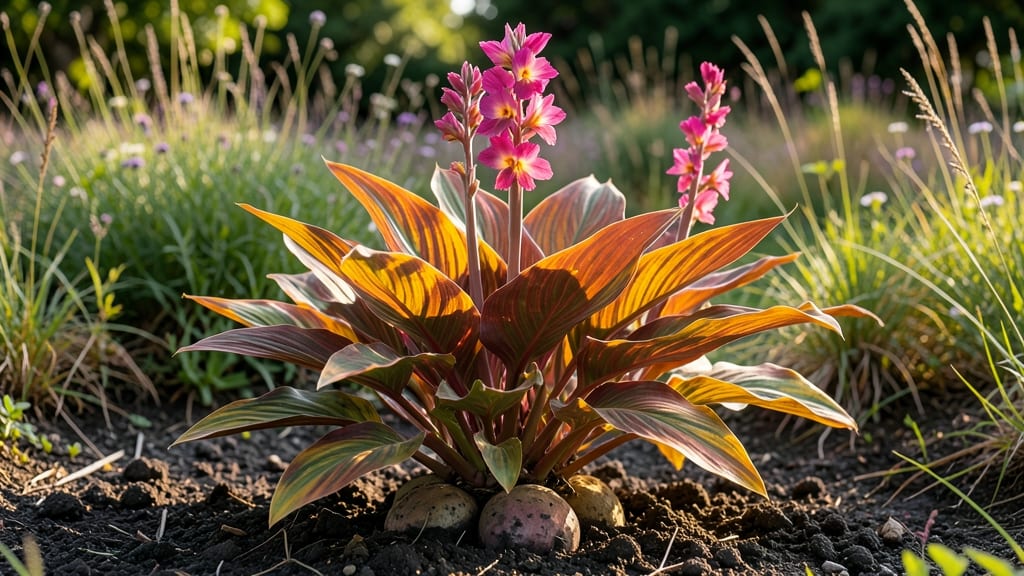
If you're dreaming of tropical drama without the towering heights, wondering how tall do dwarf cannas grow is the first step—these compact beauties stay between 2 and 3 feet tall, making them ideal for smaller gardens, containers, or even sunny patios.
What sets dwarf cannas apart is their compact growth habit compared to their standard cousins, which can shoot up to 6-8 feet. That means you get the same stunning foliage and vibrant blooms in a fraction of the space, perfect for borders, pots, or mixed beds where height matters.
Curious about how to keep them from outgrowing their welcome? The secret lies in proper spacing—plant them 12-18 inches apart—and a few simple care tricks. Whether you're a seasoned gardener or a beginner, dwarf cannas offer a low-maintenance way to add tropical flair without the fuss.
Ready to transform your space? Let’s dive into everything you need to know to grow dwarf cannas at their happiest—and keep them at just the right height.


Dwarf canna plant height guide: exact growth ranges by variety
If you're dreaming of tropical drama without sacrificing space-saving design, dwarf cannas deliver—typically reaching 2 to 3 feet at maturity. That’s half the height of their standard cousins! But not all dwarf varieties grow the same.
Some, like 'Pyramid', stay as short as 18 inches, while others like 'Lucifer' might stretch to 36 inches under ideal conditions. The key? Variety selection and growing conditions.
Dwarf cannas thrive in USDA Zones 7-11, where warm summers fuel their growth. In cooler climates, they may stay shorter—sometimes even 12 inches—due to shorter growing seasons. Their compact stature makes them perfect for container gardens, border edges, or even as potted statement plants on patios.
Unlike their towering relatives (which can hit 8 feet), these stay manageable while still packing bold foliage and showy blooms.
Here’s the visual growth comparison you need: Imagine a dwarf canna next to a small shrub like a dwarf hydrangea (3 feet) or a tall ornamental grass (4 feet). Dwarf cannas fit right in the middle—taller than a kitchen counter (36 inches) but shorter than a 6-foot ceiling.
Their pyramidal shape also adds vertical interest without overwhelming small spaces.
| Variety | Mature Height | Best For | Notes |
|---|---|---|---|
| 'Pyramid' | 18–24" | Containers, small borders | Narrow, upright growth; great for tight spaces. |
| 'Lucifer' | 24–36" | Mid-border accents, large pots | Deep red foliage; needs full sun. |
| 'Striata' | 20–30" | Tropical containers, mixed borders | Striped leaves; thrives in heat. |
| 'Durban' | 24–30" | Humid climates, rain gardens | Tolerates moisture; great for shade gardens. |
*Height varies by climate and growing conditions. In cooler zones, subtract 4–6 inches.
Seasonal growth patterns also play a role. Dwarf cannas start from rhizomes planted in spring (after last frost) and shoot up 1–2 feet by mid-summer. By fall, they may add another 6–12 inches if conditions are ideal.
In containers, growth is slightly slower—expect 12–18 inches—but they compensate with earlier blooms and longer vase life for cut flowers.
Pro tip: If you’re growing dwarf cannas in pots, choose containers at least 12 inches wide to accommodate their spreading rhizomes. In ground beds, space them 18–24 inches apart to prevent overcrowding, which can stunt growth or encourage taller, leggier stems.
Their clumping habit makes them ideal for mass plantings in small gardens or as focal points in mixed borders.
For year-round interest, pair dwarf cannas with low-growing perennials like heuchera or ajuga. Their tropical leaves contrast beautifully with textured foliage, while their summer blooms add a pop of color.
In container designs, combine them with caladiums or coleus for a lush, layered look that stays under 3 feet tall.
One common misconception is that dwarf cannas stay small without effort. While they’re naturally compact, poor growing conditions (like overcrowding or nutrient deficiencies) can make them reach for the sun, sometimes exceeding 3 feet.
We’ll cover how to keep them in check in the next section—but first, here’s what to expect from your specific variety based on your climate and container setup.
Remember: The healthier your dwarf canna, the more compact its growth. Focus on well-draining soil, consistent moisture, and full sun to encourage that perfect 2–3 foot stature you’re after. With the right care, these plants will be the showstopper your small garden deserves—without the space-guzzling downsides.
🌺
How to maximize compact growth: pruning and care tips for dwarf cannas
If you love the idea of dwarf cannas but want to keep them even more compact, you’re in luck! These tropical beauties respond well to a few simple growth management techniques.
The key is balancing their natural tendencies with strategic care—think of it like giving them a gentle "height check" throughout the season.
One of the easiest ways to control height is through pruning. Unlike some plants, dwarf cannas don’t need heavy pruning, but removing overly tall flower stalks or leggy stems can redirect energy toward bushier foliage.
Aim to trim back 1/3 of the plant’s height in late spring to encourage a fuller, shorter shape.
🌱 Pros and Cons of Growth Management for Dwarf Cannas
- Prune flower stalks to prevent height spikes
- Use container gardening with 12" pots for tighter growth
- Apply balanced fertilizer (10-10-10) in small doses
- Stake only if needed—dwarf cannas rarely require support
- Over-fertilize with high-nitrogen mixes (promotes leggy growth)
- Plant too deeply (rhizomes need shallow soil)
- Ignore crowding—space plants 12-18" apart
- Prune leaves excessively (reduces photosynthesis)
For container gardeners, pot size matters. A 12-inch diameter pot will naturally restrict root spread, keeping your dwarf canna under 2 feet tall. If you notice the plant stretching toward light, rotate the pot quarter-turns weekly to encourage even growth.
Just avoid pots larger than 18 inches—this gives them too much room to grow tall.
Another secret? Soil nutrition plays a bigger role than most gardeners realize. While dwarf cannas thrive in average garden soil, amending with compost or peat moss helps them stay stocky rather than leggy.
I’ve seen plants in nutrient-rich soil stay 12-18 inches shorter than those in poor soil—proof that a little extra care makes a big difference!
Don’t forget about watering habits. Deep, infrequent watering (every 3-5 days) encourages stronger stems, while shallow watering can lead to weak, elongated growth.
Always water at the base of the plant to avoid wetting the leaves, which can promote fungal issues that stress the plant and encourage height spikes.
With these techniques, you can keep your dwarf cannas under 3 feet while still enjoying their vibrant blooms and lush foliage. The best part? These methods work equally well for garden beds and containers, making them perfect for patios, balconies, or small-space gardens. 🌿