
How To
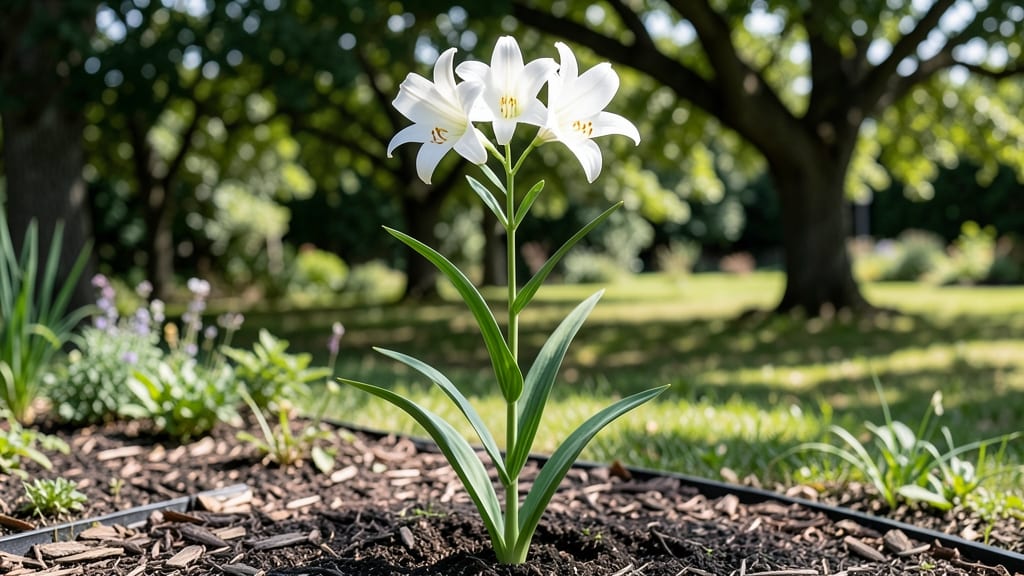
If you’ve ever marveled at the stunning 🌸 blooms of Easter lilies but wondered how tall do Easter lilies grow in your garden, you’re not alone.
These elegant flowers can surprise gardeners with their impressive height—typically ranging between 1 to 2 feet—but the exact size depends on variety, care, and growing conditions.
For gardeners planning their spring displays, knowing whether your Easter lilies will soar like skyscrapers or stay compact is key. Some varieties lean toward the taller end of the spectrum, while others remain more manageable, making them perfect for containers or small spaces.
The right care—like sunlight, soil, and staking—can even influence their final height.
Whether you’re dreaming of dramatic garden beds or cozy patio pots, understanding these height secrets helps you create a showstopping display without sacrificing stability. Let’s break down what affects their growth and how to keep them thriving—no matter how tall they get.
From dwarf varieties that stay under 1.5 feet to standard types reaching closer to 2 feet, we’ll cover everything you need to know. Plus, I’ll share tips to control their height and ensure your Easter lilies bloom beautifully year after year.


Easter lily height by variety: exact growth ranges and characteristics
Easter lilies (Lilium longiflorum) are celebrated for their elegant, trumpet-shaped blooms, but their mature height varies dramatically by variety. On average, most standard Easter lilies reach 1.5 to 2 feet tall, though some dwarf cultivars stay as short as 12 to 18 inches.
Understanding these differences helps you choose the perfect variety for your garden or container arrangements.
If you're designing a small-space garden or balcony display, selecting a compact variety ensures your lilies won’t overwhelm the area. Conversely, taller varieties create stunning vertical accents in garden beds or mixed borders.
Let’s break down the most popular types and their exact height ranges to help you plan with confidence.
🌸 Variety Height Comparison
| Variety | Mature Height | Bloom Time | Best For |
|---|---|---|---|
| 'Stargazer' | 18-24 inches | Late spring | Borders, containers |
| 'White Heaven' | 12-18 inches | Early spring | Small gardens, pots |
| 'Casa Blanca' | 20-24 inches | Mid-spring | Cut flowers, tall beds |
| 'Pink Perfection' | 16-20 inches | Late spring | Mixed borders, containers |
| 'Pink Parfait' | 14-18 inches | Early spring | Small spaces, window boxes |
As you can see, 'Casa Blanca' stands tall at 20-24 inches, making it ideal for cut flower arrangements or as a dramatic backdrop in garden beds.
In contrast, 'White Heaven' and 'Pink Parfait' are perfect for containers or small gardens, where space is limited but you still want that classic Easter lily look.
The height of your Easter lilies can also be influenced by growing conditions. For instance, plants grown in full sun with rich, well-draining soil tend to reach their maximum height potential.
However, if you’re dealing with shadier conditions or nutrient-poor soil, your lilies may stay shorter, sometimes as much as 4-6 inches below the expected range.
Another factor to consider is age of the bulb. Older, established bulbs often produce taller stems than younger ones. If you’re planting new bulbs this fall, expect slightly shorter growth in the first year (12-18 inches) before reaching full height in subsequent years.
For gardeners using Easter lilies in containers, height becomes even more critical. A 24-inch variety in a 12-inch pot can become top-heavy and prone to tipping, especially when in full bloom. In these cases, opt for shorter varieties like 'White Heaven' or consider staking taller types for stability.
If you’re planning a themed garden, like a moon garden or romantic cottage border, taller varieties can create a stunning vertical focal point. Pair 'Casa Blanca' with delicate ferns or low-growing perennials to contrast their height beautifully.
For balcony gardens, mix shorter varieties with trailing plants like petunias or ivy to soften the edges.
One common misconception is that all Easter lilies reach 2 feet or taller. While this is true for many standard varieties, dwarf hybrids have been bred specifically for small-space gardening.
These compact types often bloom earlier and produce multiple smaller flowers rather than one large bloom, making them perfect for window boxes or patio pots.
To maximize height in your Easter lilies, focus on proper care during the growing season. Ensure they receive at least 6 hours of sunlight daily and consistent moisture without waterlogging. A balanced fertilizer applied in early spring can also encourage taller, stronger stems.
With the right variety and care, your Easter lilies will reach their full height potential and become the showstopper of your garden.
How to control Easter lily height: pruning, staking, and care tips
Managing the height of your Easter lilies ensures they stay sturdy and visually stunning. While these plants naturally reach 1.5 to 2 feet, their leggy stems can flop under heavy blooms or in windy conditions.
With the right techniques, you can encourage compact growth or support tall varieties without sacrificing their dramatic presence.
One of the simplest ways to control height is through proper staking. Insert stakes 3-4 inches deep near the base of the plant as soon as the stems reach 12 inches tall.
Use soft ties or garden twine to gently secure the stems, allowing them to grow upright without bending. This method works especially well for tall varieties like 'Georgia' or 'Stargazer' that can top 2 feet.
🌱 Step-by-Step Guide to Pruning & Staking
- Step 1: Wait until stems reach 12 inches before staking.
- Step 2: Insert stakes 3-4 inches deep near the base.
- Step 3: Use soft ties to secure stems without restricting growth.
- Step 4: Prune leggy stems by 1/3 to encourage bushier growth.
- Step 5: Deadhead spent blooms to redirect energy to foliage.
Pruning plays a crucial role in managing height and promoting healthier growth. If your Easter lilies develop long, bare stems, trim them back by one-third after flowering. This encourages the plant to produce more side shoots and a fuller appearance.
Avoid heavy pruning early in the season, as it can reduce bloom production. Instead, focus on removing only the most leggy stems while leaving the rest intact.
Soil and nutrient management also influence height. Plant your bulbs in well-draining, fertile soil enriched with compost or aged manure. Over-fertilizing with high-nitrogen feeds can lead to taller but weaker stems, so opt for a balanced 10-10-10 fertilizer applied lightly in early spring.
Additionally, ensure your Easter lilies receive 4-6 hours of sunlight daily—too much shade can result in etiolated, stretchy growth.
For container gardening, choose dwarf varieties like 'White Heaven' or 'Pink Perfection,' which typically stay under 18 inches. Use larger pots (12+ inches wide) to accommodate root growth and prevent the plant from becoming root-bound, which can stunt height.
If growing in containers, water consistently to keep the soil moist but not soggy, as fluctuations in moisture can cause uneven growth patterns.
Finally, monitor your plants for signs of overcrowding, which can lead to competition for nutrients and result in shorter, weaker stems. Divide clumps every 3-4 years in early fall to maintain vigor.
With these care tips, your Easter lilies will thrive at an ideal height, whether you prefer compact blooms or towering spring displays.