
How To
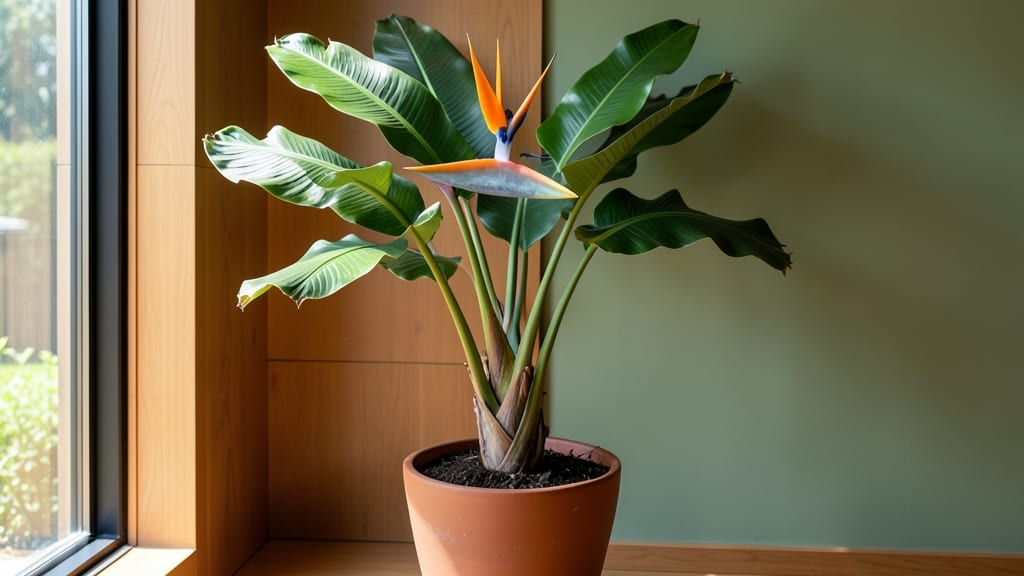
If you're wondering how tall do Giant Bird of Paradise grow, you're about to discover why this stunning tropical plant makes such a bold statement in any landscape.
The 🌺 Strelitzia nicolai can reach heights between 10 and 20 feet in ideal conditions, but its growth habits depend on more than just genetics—your climate, soil quality, and care routine play starring roles.
Picture this: a lush, architectural plant that towers over your patio or garden like a living sculpture. In warm climates like USDA Zone 9b (think Phoenix), these beauties thrive year-round, growing 2-3 feet annually when given proper attention.
But here's the catch—without strategic planning, that 20-foot ceiling can turn your dream plant into a space hog.
Don't let its dramatic height scare you off. With the right knowledge, you can control its growth while keeping its dramatic foliage and exotic blooms.
I'll show you exactly how to manage its size, from pruning techniques to seasonal care tips that keep your Giant Bird of Paradise looking its best without dominating your backyard.
Whether you're a first-time gardener or a seasoned plant parent, understanding this plant's growth patterns is the key to enjoying its tropical charm for years to come. Let's dive into the secrets of keeping your 🌺 Giant Bird of Paradise at your ideal height—without sacrificing its stunning presence.


Giant Bird of Paradise height range: how tall can it really grow?
The Giant Bird of Paradise (Strelitzia nicolai) is a showstopper in any landscape, but its height can be a game-changer for space planning. Under ideal conditions, this tropical stunner reaches 12–20 feet tall—think garage door height or taller.
In my Zone 9b garden, mature plants often hit 15–18 feet with proper care, while indoor specimens may stay shorter due to limited light.
New growth is dramatic: expect 2–3 feet per year in optimal conditions. By year 3, your plant will likely surpass 10 feet, making early pruning essential if you’re working with limited vertical space.
The key to managing height lies in understanding how climate, sunlight, and soil interact to fuel its rapid ascent.
🌺
| Growth Stage | Height Range | Annual Growth | Key Factors |
|---|---|---|---|
| Year 1 | 2–4 ft | 1–2 ft | Establishing roots |
| Year 2 | 6–8 ft | 4–6 ft | Full sun exposure |
| Year 3+ | 10–20 ft | 2–3 ft | Soil fertility, water |
| Indoor | 5–10 ft | 1–2 ft | Limited light |
Outdoor plants in full sun (6+ hours daily) grow fastest, while those in partial shade may max out at 10–12 feet.
I’ve seen dramatic differences in my Phoenix garden: a specimen in a south-facing bed hit 18 feet in 5 years, while one near a north-facing wall stayed under 12 feet despite identical care.
Soil quality plays a surprising role. Well-draining, slightly acidic soil (pH 6.0–7.0) encourages vertical growth, while compacted or alkaline soil can stunt height. Amending with compost or peat moss helps unlock that 2–3 feet per year growth potential.
Over-fertilizing with nitrogen, however, can lead to leafy but leggy growth—more height, less structure.
Climate matters too. In cooler zones (USDA 8–10), growth slows in winter, while tropical zones (10+) see year-round expansion. My neighbor in Miami reports 3–4 feet per year for their Giant Bird of Paradise, while mine in Phoenix averages 2–3 feet due to summer heat stress.
For container growers, height is more manageable but still impressive. A 15-gallon pot can support 8–10 feet of growth, while 200+ gallon containers allow full 12–20 feet potential. Root-bound plants grow taller faster as they compete for space, so repotting every 2–3 years helps maintain balance.
🌿
If you’re planning to plant near structures like patios or decks, leave 15–20 feet of clearance at maturity. I learned this the hard way when my first specimen scratch-painted a freshly painted fence after a storm!
For smaller spaces, pruning in late winter can keep height in check while encouraging bushier, fuller growth.
Pro tip: Use a measuring tape to track annual growth. Mark the plant’s height on a nearby post in early spring and check again in fall. This simple habit helps you adjust care—like reducing fertilizer if growth exceeds your target height.
Giant Bird of Paradise height range: how tall can it really grow?
The Giant Bird of Paradise (Strelitzia nicolai) is a majestic tropical plant that can reach staggering heights, but its growth depends on several key factors.
In ideal conditions, these plants typically mature between 10 and 20 feet tall, with some specimens even surpassing 20 feet in their natural habitat. This rapid vertical growth makes them a stunning focal point but also demands careful planning for smaller gardens or urban spaces.
Understanding the growth rate is crucial for gardeners. Young plants grow 2 to 3 feet per year in their first few years, while mature specimens can add 1 to 2 feet annually.
By year three, your Giant Bird of Paradise will likely stand between 10 and 12 feet tall, towering over most backyard plants and even some small trees. This rapid ascent is why many gardeners opt to prune or control their growth early on.
Giant Bird of Paradise Growth Summary
| Stage | Height Range | Growth Rate |
|---|---|---|
| Year 1 | 2–4 ft | 2–3 ft/year |
| Year 2 | 6–8 ft | 2–3 ft/year |
| Year 3+ | 10–20 ft | 1–2 ft/year |
| Mature Height | 12–20 ft | Varies by care |
Climate plays a huge role in determining how tall your Giant Bird of Paradise will grow. In USDA Zone 9b or warmer, where frost is rare, these plants thrive and can reach their full 20-foot potential.
However, in cooler climates like Zone 8 or below, growth slows significantly, often maxing out at 10 to 15 feet. If you're in a colder region, consider growing it in a container so you can move it indoors during winter.
Sunlight exposure directly impacts height growth. Full sun (6+ hours daily) encourages rapid vertical growth, while partial shade can stunt the plant, resulting in a shorter, bushier appearance.
For example, a Giant Bird of Paradise in a sheltered patio with morning sun might only reach 8 to 10 feet, whereas one planted in a sun-drenched backyard could easily surpass 15 feet.
Balance is key—too much shade slows growth, but too much direct sun can stress the plant in extreme heat.
Soil quality and watering habits also influence height. Well-draining, nutrient-rich soil promotes healthy root development, allowing the plant to grow taller. Overwatering or poor drainage, however, can lead to root rot and stunted growth.
In my own garden, I’ve seen Giant Bird of Paradise plants in sandy soil grow taller and straighter compared to those in clay-heavy soil, which can restrict root expansion and limit height.
If you're planning to grow a Giant Bird of Paradise in a container, expect slightly shorter heights—typically 8 to 12 feet—due to root restriction. However, with proper care, container-grown specimens can still thrive and produce stunning blooms.
The key is to repot every 2–3 years to accommodate root growth and ensure the plant isn’t root-bound, which can slow its upward progress.