
Plants
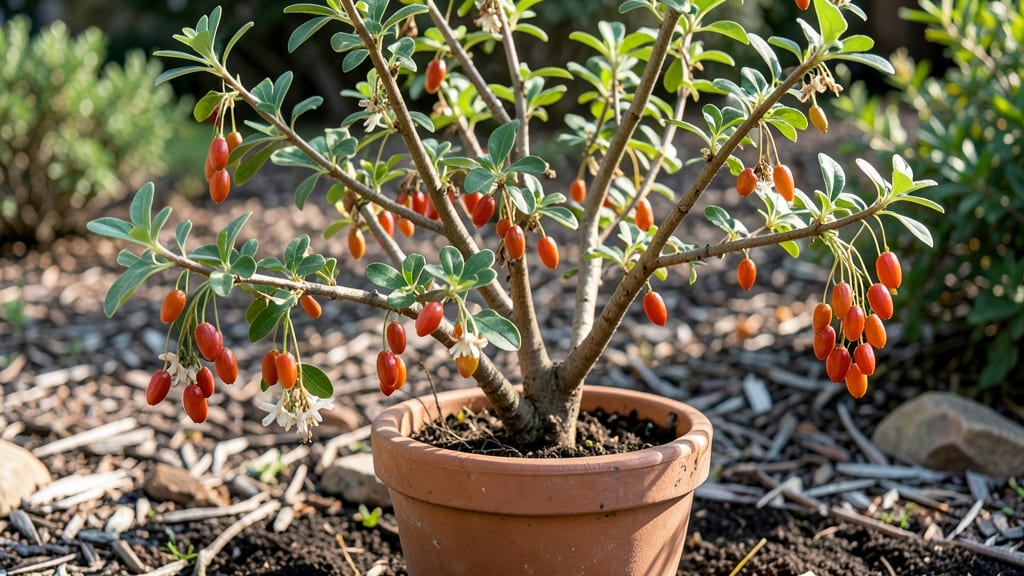
If you're wondering how tall goji berry plants grow, the answer might surprise you—these vibrant 🍇 shrubs can reach heights of 6 feet or more if left unchecked, but with the right care, you can easily manage their size.
Whether you're working with limited garden space or dreaming of a lush, compact berry bush, understanding their growth habits is key to planning your layout.
Most goji berry varieties mature between 4 to 6 feet tall, but dwarf types stay a cozy 2 to 3 feet, making them perfect for containers or small gardens.
The key to controlling their height lies in pruning and training—techniques that not only keep them in check but also boost fruit production by encouraging bushier growth.
Climate plays a role too: cooler zones like USDA 6a may see slightly slower growth, while warmer regions can push plants toward their maximum height faster.
By learning when and how to prune, you’ll avoid the common mistake of letting these shrubs sprawl uncontrollably, ensuring they fit beautifully in your garden plan.
Ready to take control? I’ll walk you through the best pruning strategies, from seasonal trimming to trellising tips, so your goji berries stay at your desired height—without sacrificing those sweet, nutrient-packed berries.


Natural height ranges of goji berry plants by variety
Goji berry plants (Lycium barbarum) are fast-growing shrubs that can reach impressive heights, but their mature size depends heavily on the variety you choose and how you manage them.
Without proper care, these plants can easily grow between 6 to 15 feet tall, transforming into towering shrubs that dominate garden space.
However, with the right dwarf varieties and pruning techniques, you can keep them as short as 2 to 4 feet, making them perfect for containers or small gardens.
Understanding the natural height ranges of goji berry plants is crucial for planning your garden layout. Most standard varieties will reach their full height within 3 to 5 years, while dwarf varieties mature much faster and stay compact.
For example, the popular 'Ningxia' variety can grow up to 12 feet tall if left unpruned, while 'Dwarf Goji' varieties rarely exceed 3 feet. This variance means you can tailor your garden to fit your space, whether you have a sprawling backyard or a cozy balcony.
Here’s the key difference: vigorous varieties thrive in open spaces with minimal pruning, while compact varieties are ideal for urban gardens or container growing. The height also affects fruit production—taller plants may yield more berries, but they require more sunlight exposure and air circulation to prevent disease.
If you’re working with limited space, prioritize dwarf or semi-dwarf varieties to enjoy goji berries without sacrificing garden real estate.
When selecting a variety, consider your garden’s space constraints and your pruning commitment. For example, if you’re growing goji berries in containers, a dwarf variety like 'Baby Lycium' is your best bet—it stays under 3 feet tall and thrives in 15-gallon pots.
On the other hand, if you have ample space and want maximum fruit yield, a standard or vigorous variety will reward you with towering shrubs loaded with berries.
Another factor to consider is the growth habit of the plant. Some varieties, like 'Golden Goji', grow aggressively and can become invasive if not controlled. These plants spread wide and tall, making them better suited for rural gardens or large properties.
In contrast, bushier varieties like 'Ningxia Compact' are perfect for hedges or privacy screens because they grow densely and stay within a manageable height range.
If you’re planting multiple goji berry shrubs, spacing is critical to avoid overcrowding. Standard varieties need at least 6 to 8 feet of space between plants to ensure proper airflow and sunlight penetration. This spacing also makes it easier to prune and harvest without damaging neighboring plants.
For dwarf varieties, you can space them as close as 18 inches apart, making them ideal for small gardens or urban plots.
One common mis
Natural height ranges of goji berry plants by variety
Goji berry plants are known for their vigorous growth, but their final height depends heavily on the variety you choose. Most standard types reach 4 to 6 feet tall at maturity, while dwarf varieties stay a manageable 2 to 3 feet.
This variation means you can select the perfect fit for your garden—whether you have a sprawling backyard or a cozy balcony.
Understanding these differences is crucial for spacing and sunlight exposure. For example, a 6-foot-tall plant needs at least 4 feet of space around it to thrive, while a dwarf variety can thrive in containers or tight garden beds.
Let’s break down the most common types and their growth habits to help you plan your goji berry garden with confidence.
🍇 Goji berry plants also spread wider than they grow tall, with a 3 to 5-foot spread for standard varieties. This means they’ll need ample room to avoid crowding nearby plants or blocking sunlight from others.
If you’re growing goji berries in cooler climates (USDA Zone 6a or below), expect slightly slower growth, especially in the first year. These plants are hardy but may take 2–3 years to reach their full height. In warmer zones, they can grow faster, so plan accordingly to avoid overcrowding.
For container gardening, stick to dwarf or semi-dwarf varieties and use pots that are at least 18 inches wide and deep to accommodate their root systems. This setup also makes it easier to move plants if you need to adjust their location for optimal sunlight.
One final tip: if you’re planting multiple goji berry bushes, space them according to their mature size to ensure proper airflow and reduce the risk of fungal diseases. A well-spaced garden will not only look neat but also produce healthier, more fruitful plants.