
How To
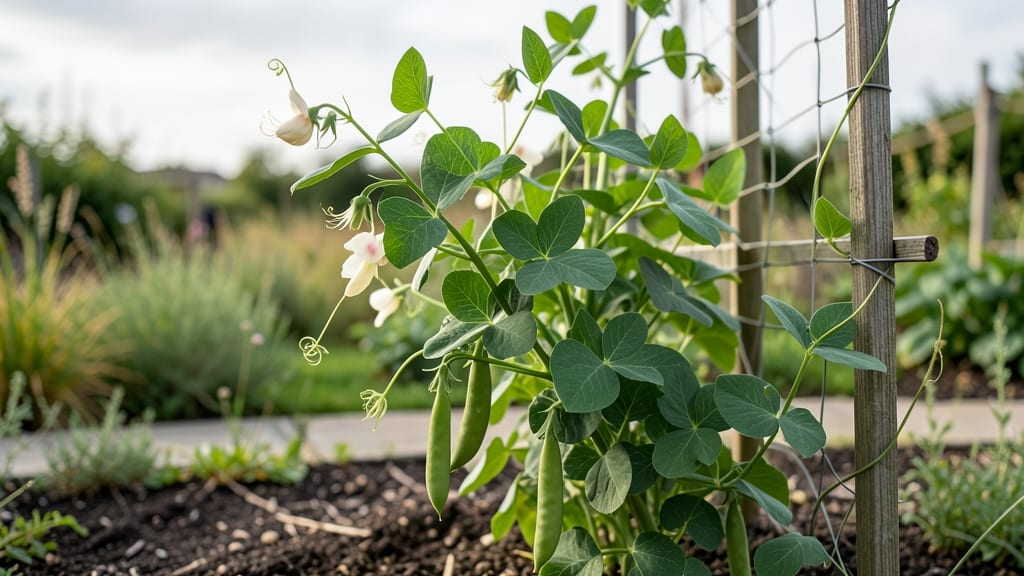
If you're planning to grow Green Arrow peas but wondering how tall they'll reach, the answer might surprise you—these vigorous climbers can stretch up to 8 feet with the right support! Most gardeners assume they’ll stay compact, but without proper guidance, their growth habits can quickly take over your space.
Understanding whether your variety is a vining or bush type is the key to managing their height. Vining Green Arrow peas typically climb 6-8 feet, while dwarf versions stay under 3 feet.
This distinction isn’t just about aesthetics—it directly impacts how you’ll space them and whether you’ll need a trellis.
For home growers in USDA Zone 6a, planting these peas in April-May sets them up for success, but their rapid growth means early trellis installation is critical. Without support, they’ll sprawl, reducing yields and making harvests harder to reach.
In this guide, I’ll break down everything you need to know—from spacing tips to trellis height recommendations—to ensure your Green Arrow peas thrive without overcrowding your garden. Let’s get started!


Green Arrow pea height: vining vs bush varieties explained
Green Arrow peas are a popular choice for home gardens, but their mature height can vary dramatically based on the specific variety you’re growing.
Most standard vining Green Arrow peas reach an impressive 6 to 8 feet tall, while bush or dwarf varieties typically stay between 2 to 3 feet. This difference isn’t just about aesthetics—it impacts your garden’s layout, trellis needs, and even yield potential.
If you’ve ever wondered why your neighbor’s Green Arrow peas are towering over your fence while yours stay compact, the answer lies in the seed packet’s fine print. Some seeds are labeled as “vining”, while others are “bush” or “dwarf” types.
Even within the same name, these distinctions matter for spacing, support, and overall garden design.
The vining varieties are the classic climbers, sending out tendrils that can spiral up trellises or fences with ease. These are the peas that will test your trellis’s height limits, often reaching 8 feet or more in ideal conditions.
On the other hand, bush varieties grow in a more compact, rounded shape, making them perfect for smaller gardens or container growing.
Here’s the key difference: vining peas need vertical support to reach their full height, while bush peas thrive without it. Without proper trellising, vining peas may sprawl across your garden, competing with other plants for space and sunlight. Bush peas, however, are self-supporting and can be planted more densely.
To avoid confusion, always check the seed packet or supplier’s description. Terms like “semi-dwarf” or “compact” often signal a shorter variety, while “standard” or “vining” indicate taller growth. If you’re unsure, err on the side of vining—these peas are more productive when given room to climb.
| Type | Height Range | Growth Habit | Support Needed | Spacing |
|---|---|---|---|---|
| Vining | 6–8 ft | Climbing | Trellis or fence | 4–6 in apart |
| Bush/Dwarf | 2–3 ft | Compact | None | 3–4 in apart |
| Semi-Dwarf | 4–6 ft | Partial climbing | Optional support | 3–5 in apart |
Understanding these differences is crucial for planning your garden layout. For example, if you’re working with a 6-foot fence, a vining variety might not reach its full potential, while a bush type would thrive.
Conversely, if you have a 10-foot trellis, vining peas will maximize your vertical space and yield.
Another factor to consider is your garden’s sunlight exposure. Vining peas need full sun to reach their maximum height, while bush varieties can tolerate slightly shadier conditions. If your garden is partially shaded, a bush variety might be the better choice to avoid leggy, weak growth.
For those with limited space, bush Green Arrow peas are a game-changer. They produce just as many pods as their vining counterparts but in a fraction of the space.
This makes them ideal for container gardening, balcony setups, or small backyard plots. Plus, you won’t need to worry about trellis maintenance or tangled vines.
If you’re still torn between vining and bush, consider your harvesting goals. Vining peas often produce pods over a longer season because they have more growing space, while bush peas may yield all at once.
For a steady supply, vining peas might be the winner, but for convenience, bush peas can’t be beat.
No matter which type you choose, remember that proper support and spacing are the secrets to a thriving pea patch. Whether you’re scaling the heights of a trellis or enjoying a compact bush, Green Arrow peas deliver sweet, crisp pods that are well worth the effort.
Green Arrow pea height: vining vs bush varieties explained
Green Arrow peas are prized for their crisp, sweet pods, but their growth habits vary dramatically between vining and bush varieties. Most commercial seeds labeled "Green Arrow" refer to the vining type, which can reach 6–8 feet tall if given proper support. However, some dwarf or semi-dwarf versions stay between 2–4 feet, making them ideal for containers or small gardens.
The key difference lies in their genetic structure. Vining peas produce long, twining stems that require trellises or stakes, while bush varieties grow in compact bush-like clusters.
If you’re unsure which type you’re planting, check the seed packet—vining peas often specify "climbing" or "pole," while bush types may say "dwarf" or "bush."
Here’s how their heights compare in real-world growing conditions:
If you’re growing vining Green Arrow peas, their height isn’t just about aesthetics—it directly impacts your harvest yield. Tall varieties produce more pods but need sturdy 6–8 foot trellises to prevent sprawling.
Bush types, while shorter, may require wider spacing to avoid overcrowding, which can reduce airflow and increase disease risk.
Pro tip: For small gardens, consider interplanting bush and vining varieties. Place bush peas at the front of your bed and let vining types climb a trellis in the back. This maximizes vertical space while keeping your layout tidy.
Remember, soil quality and sunlight also influence height. Green Arrow peas thrive in full sun (6+ hours daily) and well-draining soil. If your plants seem stunted, check for nutrient deficiencies or overwatering, which can limit their growth potential.
For container growers, opt for bush varieties or use dwarf trellises (3–4 feet tall). Even vining types can thrive in large pots with proper support—just ensure the container is at least 12–18 inches deep to accommodate their roots.