
How To
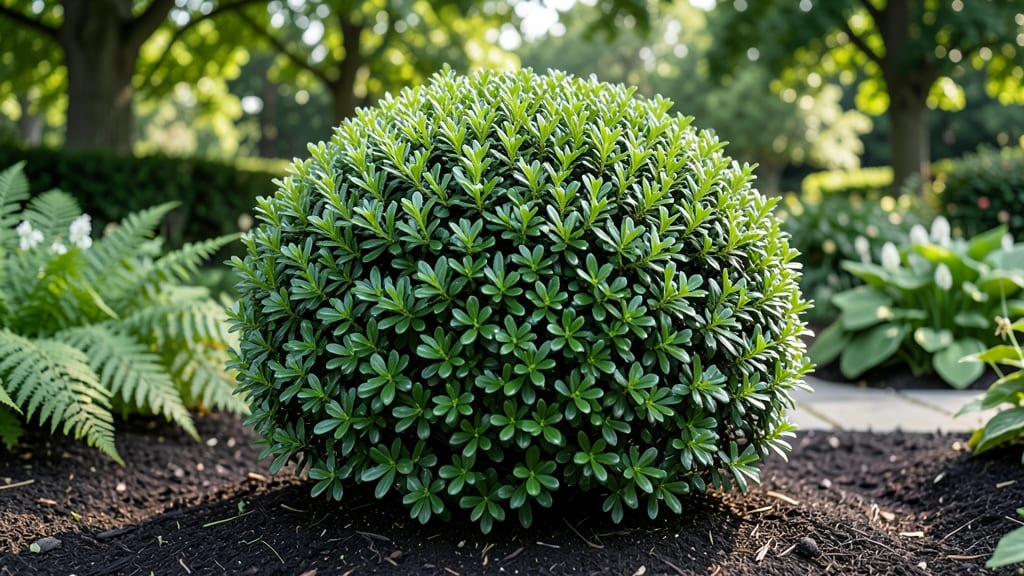
If you’re wondering how tall do Green Velvet Boxwoods grow, the answer depends entirely on whether you prune them—or not. These lush, 🌿evergreen shrubs can reach 3 to 5 feet when left unchecked, but with regular trimming, you can keep them compact and manageable.
The key to controlling their height lies in understanding their natural growth habits and how pruning shapes their future.
For gardeners in USDA Zone 6a, where spring planting is ideal, the first few years are critical. Without pruning, Green Velvet Boxwoods grow 1 to 2 feet per year, eventually forming dense, tall hedges.
But with strategic trimming—especially in early spring—you can maintain them at 1 to 3 feet, perfect for borders, topiary, or foundation plantings.
What most people don’t realize is that over-pruning can stunt growth, while neglect leads to unruly height. The secret? A balanced approach that respects the plant’s natural rhythm while guiding its shape.
I’ll show you exactly how to prune for the perfect height, plus common mistakes that make boxwoods grow too tall—and how to fix them.
Whether you’re designing a formal hedge or a casual garden border, getting the height right makes all the difference. Let’s dive into the science of Green Velvet Boxwood growth so you can keep your shrubs looking their best year after year.


Green Velvet boxwood mature height: unpruned growth vs pruned shrubs explained
Green Velvet Boxwoods (Buxus sempervirens 'Green Velvet') are prized for their dense, glossy foliage and compact growth habit, but their mature height varies dramatically based on pruning.
Without regular maintenance, these evergreens can reach 3 to 5 feet tall, while aggressive pruning keeps them between 1 to 3 feet. Understanding these differences helps you plan your garden layout and avoid overgrown hedges.
The natural growth rate of Green Velvet Boxwoods is about 6 to 12 inches per year, depending on soil quality and sunlight exposure. In ideal conditions—well-draining soil, partial shade, and consistent moisture—they’ll grow faster, while poor conditions slow growth.
This means a 5-year-old unpruned boxwood could already be 2 to 3 feet tall, making early pruning essential for height control.
Your climate zone also plays a role. In USDA Zones 6-8, where Green Velvet thrives, these shrubs grow more vigorously than in colder zones.
For example, in Zone 7, you might see 5-foot-tall boxwoods by maturity, while in Zone 6, they may max out at 4 feet. Always check your local frost dates to time pruning correctly.
Here’s the key difference: Unpruned boxwoods grow taller and bushier, while pruned boxwoods stay shorter and denser. The choice depends on your landscaping goals—formal hedges need frequent pruning, while wild, natural looks benefit from minimal trimming. Let’s break down the specifics in this comparison.
| Growth Factor | Unpruned Boxwood | Pruned Boxwood |
|---|---|---|
| Mature Height | 3–5 feet | 1–3 feet |
| Annual Growth | 6–12 inches | 3–6 inches (controlled) |
| Pruning Frequency | None (or minimal) | 2–4 times/year |
| Best For | Wild gardens, natural hedges | Formal hedges, topiaries |
| Soil Needs | Well-draining, slightly acidic | Same, but enriched with compost |
If you’re aiming for a neat, manicured look, pruning is non-negotiable. Boxwoods respond best to light, frequent trims—think 2 to 3 times per year—rather than one heavy pruning session.
Over-pruning can stress the plant, leading to stunted growth or brown foliage, while under-pruning results in leggy, sparse shrubs. The sweet spot? Prune just enough to encourage bushiness without removing more than ⅓ of the foliage at once.
Another critical factor is spacing. Plant Green Velvet Boxwoods 3 to 4 feet apart if you want them to grow naturally. If you plan to prune them into formal hedges, reduce spacing to 2 to 3 feet for a tighter, more uniform look.
Pro tip: Mulch around the base with 2–3 inches of organic mulch (like shredded bark) to retain moisture and slow growth slightly, keeping them more compact.
For container gardening, Green Velvet Boxwoods thrive in 15–20 gallon pots, where their height can be controlled more easily. In pots, they typically max out at 2 to 3 feet tall even without heavy pruning, making them ideal for balcony gardens or patio borders.
Just ensure the container has drainage holes and use a well-draining potting mix to prevent root rot.
One common misconception is that boxwoods grow faster in full sun. While they tolerate morning sun, afternoon shade is ideal to prevent leaf scorch or overly rapid growth, which can make them leggy.
If your boxwoods are growing too tall too quickly, they might be getting too much direct sunlight or too much nitrogen fertilizer. Adjusting these factors can help rein in their height naturally.
Finally, remember that boxwoods are slow growers compared to other shrubs. Patience is key—rushing pruning or over-fertilizing can backfire. Stick to a consistent pruning schedule, and your Green Velvet Boxwoods will stay at your desired height for years to come.
With the right care, they’ll reward you with lush, year-round greenery that’s perfect for hedges, borders, or even as solitary statement plants.
Green Velvet boxwood mature height: unpruned growth vs pruned shrubs explained
When left completely unpruned, Green Velvet Boxwoods (Buxus sempervirens 'Green Velvet') typically reach a mature height of 3 to 5 feet over 5-7 years.
This natural growth pattern makes them ideal for informal hedges or naturalistic garden borders, but their height can vary based on climate, sunlight exposure, and soil quality. In warmer climates (Zones 7-9), they may grow slightly taller, while cooler zones (Zones 5-6) often see more compact growth.
However, most gardeners shape these shrubs into neat, compact forms through regular pruning. When pruned annually, Green Velvet Boxwoods rarely exceed 2 to 3 feet tall, making them perfect for foundation plantings, topiary, or container gardens.
The key difference lies in pruning frequency—skipping pruning for even one season can lead to rapid height increases, while consistent maintenance keeps them at your desired size.
| Growth Condition | Mature Height | Annual Growth Rate | Best For |
|---|---|---|---|
| Unpruned | 3–5 feet | 6–12 inches/year | Wild gardens, informal hedges |
| Lightly Pruned (1x/year) | 2–3 feet | 4–8 inches/year | Foundation plantings, borders |
| Heavily Pruned (2x/year) | 1–2 feet | 2–4 inches/year | Topiary, containers, formal hedges |
Soil quality plays a huge role in height control. Well-draining, slightly acidic soil (pH 6.0–7.0) encourages steady growth, while poor soil can stunt height or cause leggy, weak stems. Amending clay or sandy soil with compost or peat moss helps maintain compact growth.
Additionally, full sun exposure (6+ hours/day) speeds up growth, while partial shade keeps plants shorter and bushier.
If you’re planning a formal hedge, aim for 2–3 feet tall by pruning twice yearly—once in late spring and again in early fall. For a natural look, minimal pruning lets the shrub reach its natural 3–5 foot height, but expect wider spread.
Always use sharp, clean pruners to avoid disease and promote healthy regrowth.
One common misconception is that boxwoods grow faster in containers. While they may grow slightly taller, container-grown Green Velvet Boxwoods actually benefit from root pruning to keep height in check.
Use pots with drainage holes and repot every 2–3 years to prevent root-bound stress, which can lead to uneven growth patterns.
For landscape planning, consider spacing 3–4 feet apart when planting multiple shrubs. This gives them room to reach their natural width of 2–3 feet while preventing overcrowding. In urban gardens with limited space, prune aggressively to maintain a 1–2 foot height for a tidy appearance.