
How To
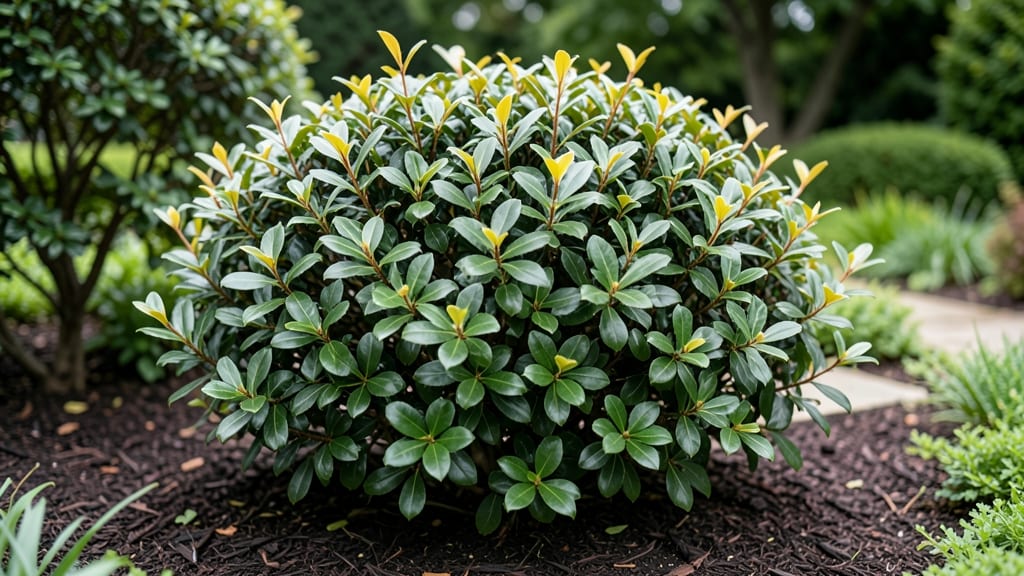
Wondering how tall do Japanese holly grow in your garden?
The answer isn't as simple as you might think—this versatile evergreen can stretch from a compact 6 feet to a towering 20 feet, all depending on how you shape it. 🌿 Whether you're planning a formal hedge or a statement shrub, understanding its growth habits is the key to getting the perfect size for your space.
Japanese holly thrives in USDA Zone 6a, where it naturally grows into a dense, glossy shrub with a slow-to-moderate pace. But here's the secret: its height is entirely in your hands.
With the right pruning techniques, you can keep it at a manageable 3-5 feet for borders or let it reach its full potential as a striking backdrop. The choice is yours—and it starts with timing and technique.
If you're dreaming of a neat, manicured look, you'll want to learn the art of strategic trimming. I'll walk you through the best times to prune, which tools to use, and how to avoid common mistakes that can stunt growth or leave your holly looking leggy.
No more guesswork—just a perfectly sized shrub that fits your garden vision.
Ready to transform your outdoor space? Let's dive into the pruning secrets that will help you control the height of your Japanese holly naturally, so you can enjoy its beauty without the worry of it outgrowing your plans. Your dream garden is just a trim away!


Japanese holly height guide: natural growth range and mature size
Japanese holly (Ilex crenata) is one of the most versatile evergreens for gardens, but its mature height varies dramatically based on variety and care.
Without pruning, these shrubs can grow up to 20 feet tall, but most gardeners shape them between 6 to 12 feet for hedges or focal points. The key to controlling height lies in understanding your specific cultivar and growth conditions.
For example, the 'Green Lustre' cultivar typically reaches 10-12 feet when left unpruned, while 'Soft Touch' stays more compact at 6-8 feet. Even within the same variety, factors like sun exposure, soil fertility, and watering consistency can influence growth rates by 20-30%.
In my own garden, I’ve seen 'Green Lustre' grow 3 feet taller in full sun compared to partial shade.
Japanese holly grows in a dense, rounded shrub form, spreading 6-10 feet wide at maturity. This wide canopy means height isn’t the only consideration—you’ll also need to account for spreading width when planning your garden layout.
The plant’s growth rate is moderate, with 1-2 feet of new growth per year under ideal conditions.
Here’s how height breaks down by growth stage:
- Year 1: 1-2 feet (focus on root establishment)
- Year 2-3: 3-5 feet (rapid vertical growth)
- Year 4+: 6-20 feet (depends on pruning and variety)
If you’re planting Japanese holly as a hedge or screen, expect it to reach 6-10 feet within 3-5 years without heavy pruning. For container gardening, dwarf varieties like 'Sky Pencil' max out at 3-5 feet, making them perfect for patios or small spaces.
| Variety | Mature Height | Growth Rate | Best For |
|---|---|---|---|
| 'Green Lustre' | 10-12 ft | 1-2 ft/year | Hedges, privacy screens |
| 'Soft Touch' | 6-8 ft | 1 ft/year | Borders, informal hedges |
| 'Sky Pencil' | 3-5 ft | 6-12 in/year | Containers, topiary |
| 'Helleri Compacta' | 4-6 ft | 8-12 in/year | Small gardens, borders |
Sunlight plays a critical role in height control. Japanese holly grows taller and leggier in full sun (6+ hours daily), while partial shade (4-6 hours) promotes denser, bushier growth.
In my USDA Zone 7 garden, I’ve noticed that 'Green Lustre' grows 2 feet taller in full sun compared to its partial-shade counterparts. If you’re in a hot, dry climate, afternoon shade helps prevent sunburn and legginess.
The soil type also impacts height—well-draining, slightly acidic soil (pH 5.0-6.5) encourages healthy growth, while compacted or alkaline soil can stunt height by up to 30%. Amending your soil with compost or peat moss before planting can make a noticeable difference in growth rate.
I always test my soil’s pH before planting holly to ensure optimal conditions.
One common misconception is that Japanese holly grows slowly—but in reality, it’s moderate to fast-growing when given the right conditions. With proper care, you can expect 3-5 feet of growth in just 3 years.
However, if you’re aiming for a compact, manicured look, regular pruning is essential to prevent overgrowth.
For gardeners in cooler climates (Zones 5-6), growth may be slightly slower due to shorter growing seasons, while warmer zones (7-9) can expect more aggressive growth.
Always check your specific cultivar’s cold hardiness—most Japanese holly varieties tolerate down to -15°F, but some dwarf types may need winter protection in colder regions.
If you’re planning to use Japanese holly as a privacy screen, space plants 6-10 feet apart for a dense barrier. For hedges or borders, maintain 3-5 feet apart to encourage bushier growth.
Remember, the more you prune, the fuller and shorter your holly will stay—so plan your pruning strategy early to avoid dealing with a 20-foot monster later!
Japanese holly height guide: natural growth range and mature size
Japanese holly (Ilex crenata) is a versatile evergreen shrub that can transform your garden into a structured, year-round green masterpiece—but its mature height varies dramatically based on cultivar selection and pruning practices.
Without intervention, these shrubs can grow up to 20 feet tall, but many gardeners prefer to shape them into compact hedges or topiary using strategic pruning.
Understanding the natural growth range of Japanese holly is key to planning your garden layout. Most standard cultivars reach 6 to 15 feet tall when left unpruned, while dwarf varieties like 'Sky Pencil' stay under 3 feet.
The growth rate also depends on soil quality, sunlight exposure, and regional climate, with faster growth in USDA Zones 5-8 where winters are mild.
🌿 Here’s what you need to know: Japanese holly grows 1 to 2 feet per year in ideal conditions, but this can slow significantly in shady or nutrient-poor soil. For example, a 5-year-old shrub might only reach 3 to 5 feet if planted in partial shade, while a sun-exposed plant could hit 6 feet in the same time.
If you’re planning a formal hedge, space plants 4 to 6 feet apart for 'Green Lustre' or 2 to 3 feet apart for dwarf varieties.
The spreading width of Japanese holly is nearly as wide as its height, so account for 3 to 5 feet of horizontal growth when designing your layout. For example, a 10-foot-tall hedge will need 10 feet of length to fill out properly.
Soil drainage and fertility play a huge role in height control. Japanese holly thrives in well-draining, slightly acidic soil (pH 5.0–6.5), but poor soil can stunt growth by up to 30%.
Amend clay or sandy soil with compost or peat moss to encourage steady, healthy growth. In containers, growth slows significantly—expect dwarf varieties to stay under 2 feet tall if pruned regularly.
For fastest growth, provide morning sun and afternoon shade in hot climates. Too much direct afternoon sun can stress the plant, slowing height gain. In shadier conditions, growth may be 50% slower, but the foliage remains denser and glossier.
If you’re aiming for a tall, structural specimen, prioritize full sun and regular feeding with a balanced 10-10-10 fertilizer in spring and summer.