
How To
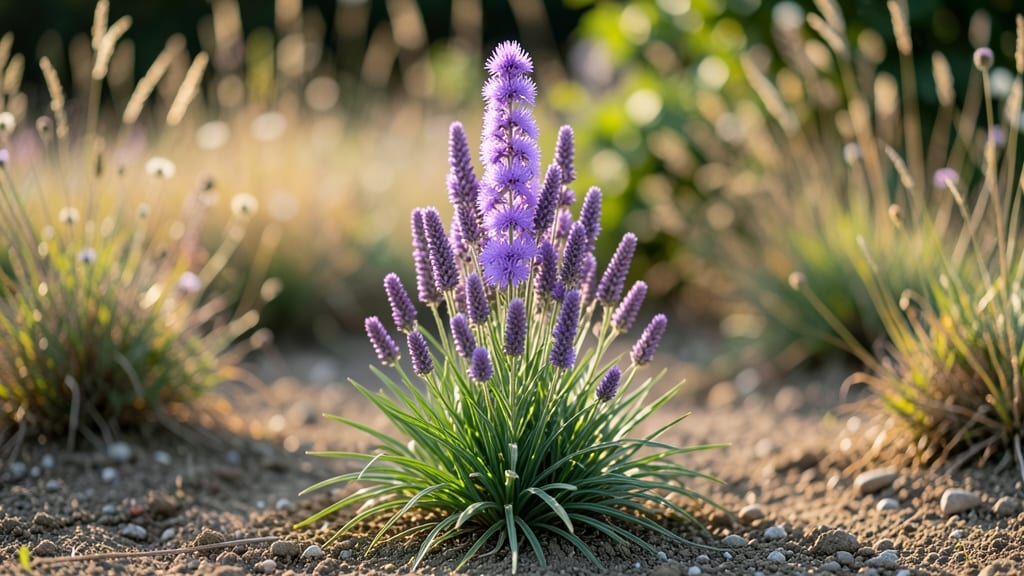
If you're wondering how tall do liatris grow, you're in for a treat—these native beauties bring striking purple plumes to your garden while adapting beautifully to different spaces.
Whether you're planning a pollinator-friendly border or a low-maintenance perennial bed, knowing their height range is key to creating a cohesive design.
Most liatris varieties, like the popular Liatris spicata or Liatris pycnostachya, typically reach heights between 1 and 4 feet, depending on the species and growing conditions. In USDA Zone 6a, these plants thrive when planted in spring, often maturing to their full height by mid-summer.
The key to maximizing their growth lies in well-drained soil and full sun exposure.
But here’s the thing: spacing matters just as much as height. Clumping varieties, like Liatris aspera, stay more compact, while others may spread slightly. Proper spacing ensures air circulation, which reduces disease risk and encourages those iconic 🌸 blooms to flourish.
I’ll show you exactly how to plan your garden layout for the best results.
Ready to transform your garden? You’ll also discover how pruning and deadheading can influence height and bloom density, plus tips for keeping liatris looking its best from planting in April-May through harvest season in July-September. Let’s get growing!


Liatris height guide: native varieties and their mature growth ranges
If you're planning your garden layout around liatris (or blazing star), knowing their mature height is essential. These native perennials produce stunning purple plumes that attract pollinators, but their growth varies dramatically by species. Understanding these differences helps you choose the right variety for your space and design goals.
Most liatris varieties reach maturity between 2 to 4 feet tall, but their first-year growth can be deceptive—many start small but shoot up quickly in their second season. The key to planning is knowing which species lean toward the shorter or taller end of that spectrum.
Here’s how three popular liatris species compare in height, along with regional growth patterns that can influence their ultimate size. This summary table breaks down the essentials so you can visualize their mature forms before planting.
| Variety | Mature Height | Growth Habit | Bloom Time | Regional Notes |
|---|---|---|---|---|
| Liatris spicata (Dense Blazing Star) | 3–4 ft | Clumping, upright | July–September | Tallest variety; thrives in USDA Zones 3–9 |
| Liatris pycnostachya (Kansas Blazing Star) | 2–3 ft | Compact, bushy | August–October | Drought-tolerant; ideal for prairie gardens |
| Liatris aspera (Rough Blazing Star) | 1.5–2.5 ft | Spreading, airy | July–August | Shorter; prefers well-drained soils |
| Liatris squarrosa (Wild Bergamot) | 2–3 ft | Loose, airy clusters | June–August | Early bloomer; great for pollinators |
For example, Liatris spicata often tops out at 4 feet, making it perfect for back-of-border plantings or wildflower meadows. In contrast, Liatris aspera stays under 2.5 feet, ideal for front-of-border displays or container gardens.
Even within a species, height can vary by 10–20% based on soil fertility and sunlight exposure.
If you’re growing liatris in cooler climates (USDA Zones 3–5), expect slightly shorter stature due to slower growth rates. In warmer zones (6–9), these plants often reach their full height potential.
For instance, my Liatris spicata in Zone 7 consistently hits 4 feet, while a neighbor’s in Zone 4 maxes out at 3 feet.
Another factor to consider is how liatris spreads. While height is vertical growth, their clumping habit affects horizontal space. Most varieties spread 12–18 inches over time, which is why proper spacing (covered in the next section) prevents overcrowding and ensures each plant gets enough sunlight and nutrients.
For gardeners with limited space, dwarf varieties like Liatris aspera are game-changers. They fit neatly into rock gardens or small containers while still delivering those signature purple plumes. Even in containers, they’ll reach 80% of their mature height, so plan for at least 12-inch-deep pots to accommodate their roots.
Pro tip: If you’re planting liatris near tall grasses (like switchgrass or little bluestem), their height difference creates a stunning layered effect. Pair 4-foot liatris with 5-foot grasses for a natural, prairie-inspired look that thrives with minimal maintenance.
Finally, remember that first-year growth is often modest—many liatris plants stay under 1 foot their first season. Patience pays off, as they’ll double or triple in height by their second or third year. This gradual growth makes them low-maintenance perennials that reward long-term planning.
Liatris height guide: native varieties and their mature growth ranges
When planning your garden, knowing how tall liatris grow helps you create stunning vertical interest without overcrowding other plants. These native purple plume flowers vary by species, with heights ranging from 1 to 4 feet at maturity.
Understanding these differences ensures you choose the perfect variety for your space and design goals.
Most gardeners plant liatris for its airy, feathery blooms that attract pollinators like bees and butterflies. But did you know the height differences between varieties can dramatically change your garden's look?
For example, Liatris spicata (blazing star) typically reaches 3 to 4 feet, making it ideal for back-of-border plantings, while Liatris pycnostachya (dense blazing star) stays shorter at 1 to 2 feet, perfect for foreground displays.
| Variety | Mature Height | Growth Habit | Best For |
|---|---|---|---|
| Liatris spicata | 3–4 ft | Upright, clumping | Back borders, pollinator gardens |
| Liatris pycnostachya | 1–2 ft | Compact, bushy | Foreground, containers |
| Liatris aspera | 2–3 ft | Semi-upright, spreading | Mixed borders, wildflower meadows |
| Liatris squarrosa | 2–3 ft | Clumping, sturdy | Cut flowers, dried arrangements |
Regional variations also play a role in liatris height. In cooler climates like USDA Zones 3–5, liatris may grow slightly shorter (2–3 feet) due to shorter growing seasons, while in Zones 6–9, they often reach their full 3–4 foot potential.
For example, Liatris spicata in Texas heat might stretch taller, while the same variety in New England could stay more compact.
If you're growing liatris in containers, expect heights to be 10–20% shorter than in-ground plants due to root restrictions. For instance, a 3-foot tall Liatris spicata in a 12-inch pot might only reach 2.5 feet. Choose smaller varieties like Liatris pycnostachya for containers to avoid overcrowding.
Proper soil and sunlight directly impact height. Plant liatris in well-draining soil with full sun (6+ hours daily) to encourage strong, upright growth. Poor soil or shade can result in leggy, floppy stems that struggle to reach their full height potential.
Amend heavy clay soil with compost or sand to improve drainage and support healthy growth.
For gardeners in dry climates, liatris height may be slightly reduced if water is scarce, but these drought-tolerant plants prioritize bloom production over vertical growth. A 1-inch weekly watering during establishment (first year) helps them reach their mature height faster. Once established, they thrive with minimal irrigation.
Remember, height isn't everything—the feathery texture and pollinator appeal of liatris make them worth growing, even in smaller spaces. Whether you choose a tall 4-foot variety for drama or a compact 1-foot type for containers, these native beauties bring color and movement to any garden. 🌸