
Plants
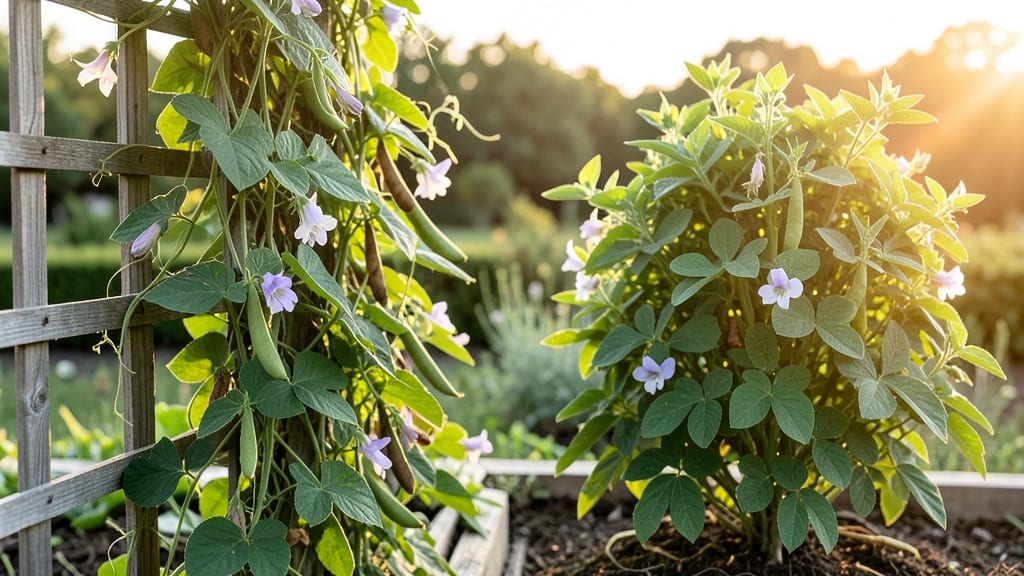
If you're wondering how tall do lima bean plants grow, the answer depends on whether you're growing pole or bush varieties—because these two types can transform your garden layout completely.
Pole lima beans 🌱 can climb 6 to 8 feet, turning into towering vines that need sturdy trellises, while bush varieties stay compact at 1 to 2 feet, perfect for small spaces or containers.
Choosing the right variety isn't just about space—it's about how you plan to harvest and maintain your garden. Pole beans save ground space but require support, while bush beans are low-maintenance but may need more frequent harvesting to keep production steady.
Either way, understanding their growth habits helps you design a thriving garden layout that works for your yard.
For gardeners in USDA Zone 6a, timing is everything—planting in April or May gives these beans plenty of warm weather to reach their full height before harvest season arrives in July through September.
Whether you're scaling a trellis or tucking plants into a corner, knowing their mature size ensures your lima beans thrive without taking over your garden.
Ready to maximize your harvest? The key lies in selecting the right variety, providing proper support, and giving them the sunlight they crave. Let's break down everything you need to know to grow lima beans that reach their full potential—without the guesswork.


Lima bean plant height by variety: pole vs bush growth comparison
When planning your lima bean garden, one of the first questions I ask myself is: how tall do lima bean plants grow? The answer depends entirely on whether you choose pole varieties or bush varieties.
These two types have dramatically different growth habits that will shape your entire planting strategy.
Pole lima beans are the tallest variety, often reaching heights of 6 to 8 feet at maturity. These vigorous climbers need sturdy support to reach their full potential, making them perfect for gardeners with vertical space or trellises.
Bush varieties, on the other hand, stay compact at 1 to 2 feet tall, making them ideal for small gardens or container growing.
Here’s where it gets interesting: the height differences directly impact your garden layout. Pole varieties need 5 to 6 feet of vertical clearance and 3 to 4 feet of ground space per plant when using trellises.
Bush varieties only require 18 to 24 inches of spacing in all directions, allowing you to pack more plants into a small area.
Let’s break down the most popular varieties to help you visualize the differences:
| Variety | Type | Mature Height | Spacing Needs | Best For |
|---|---|---|---|---|
| Fordhook | Pole | 6–8 ft | 3–4 ft apart | Trellises, fences |
| Henderson | Bush | 1–2 ft | 18–24 in apart | Small gardens, containers |
| Christmas | Bush | 1–1.5 ft | 18 in apart | Early harvests |
| King of the Garden | Pole | 7–9 ft | 4 ft apart | Large trellises |
If you’re growing pole varieties, you’ll want to plan for vertical support early. A 6-foot trellis or chain-link fence works perfectly for most pole lima beans. For bush varieties, a simple low cage or stakes can provide just enough support to keep plants upright as they produce pods.
One factor that often surprises new gardeners is how quickly pole varieties grow. In just 60 to 80 days, they can reach their full height, so timing your planting is crucial.
Bush varieties mature slightly faster, often ready for harvest in 50 to 70 days, making them a great choice if you’re eager for a quick harvest.
For those in USDA Zone 6a or warmer, lima beans thrive when planted in late spring after the last frost. The key is to give them full sun (6–8 hours daily) and well-draining soil to encourage strong vertical growth.
If you’re in a cooler climate, consider starting seeds indoors or using black plastic mulch to warm the soil faster.
Remember, the height of your lima bean plants isn’t just about aesthetics—it’s about maximizing your harvest. Pole varieties produce more pods when given room to climb, while bush varieties yield consistently in smaller spaces. Choose the type that fits your garden’s layout and your goals!
Lima bean plant height by variety: pole vs bush growth comparison
When planning your lima bean garden, knowing the mature height of each variety helps you decide between pole beans and bush beans. Pole varieties climb 6 to 8 feet, while bush varieties stay compact at 1 to 2 feet.
This difference affects spacing, trellising needs, and even your garden layout.
Pole lima beans, like Fordhook and Henderson, need vertical support to reach their full height. Bush varieties, such as Christmas and King of the Garden, grow low to the ground, making them ideal for small spaces or containers.
| Variety Type | Mature Height | Growth Habit | Space Needs |
|---|---|---|---|
| Pole (Fordhook) | 6–8 feet | Climbing | 1–2 inches apart, trellis required |
| Pole (Henderson) | 7–9 feet | Climbing | 2–3 inches apart, tall trellis |
| Bush (Christmas) | 1–2 feet | Bush | 4–6 inches apart, no support |
| Bush (King of the Garden) | 1.5–2 feet | Bush | 6–8 inches apart, no support |
Pole varieties thrive when given vertical support like trellises or stakes, while bush varieties grow best in open, well-drained soil without needing extra support. The height difference also impacts harvest ease—pole beans require ladders or tall trellises, while bush beans are easy to reach.
For small gardens, bush varieties are ideal because they don’t need trellises and produce well in tight spaces. Meanwhile, large gardens or vertical gardening setups benefit from pole varieties, which save ground space and maximize yield per square foot.
Both types grow best in full sun (6–8 hours daily) and well-draining soil. However, pole beans may need extra nutrients to support their taller growth, while bush beans focus energy on producing pods closer to the ground.
If you’re unsure which to choose, consider your garden’s layout and how much maintenance you’re willing to invest in trellising. Pole beans offer higher yields but require more upkeep, while bush beans are low-maintenance and perfect for beginners.