
Trees
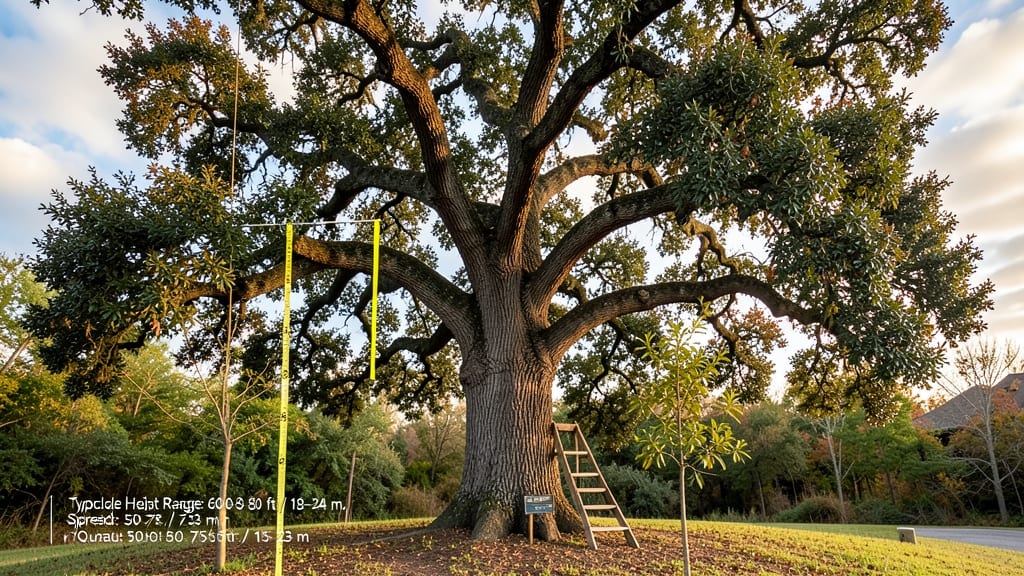
If you're asking "how tall do live oak trees grow", you're about to discover why these majestic 🌳 trees are a landscape game-changer - they can reach heights of 60 to 100 feet at maturity, with some specimens even surpassing that mark in ideal conditions.
Picture this: a towering Live Oak providing shade for generations, its sprawling branches creating a natural canopy that cools your yard and adds value to your property. But here's the catch - these trees don't grow overnight.
Young Live Oaks grow at a steady 12-24 inches per year, so planning for their eventual size is crucial from day one.
What you might not realize is that their final height depends on more than just genetics. Factors like sunlight exposure, soil quality, and proper spacing all play a role in determining how tall your Live Oak will become.
We'll show you exactly how to give your tree the best chance to reach its full potential while keeping your landscape in harmony.
Whether you're planting one as a future shade provider or simply curious about these iconic trees, understanding their growth patterns will help you make informed decisions. Let's explore what it takes to nurture a Live Oak that will stand tall for centuries to come.


Live Oak tree height: how tall they grow and what affects their size
The Southern Live Oak (Quercus virginiana) is a true giant of the tree world, often reaching heights that dwarf most backyard landscapes.
On average, these majestic trees grow between 60 to 80 feet tall, though some specimens can soar up to 100 feet or more with ideal conditions.
Their sprawling canopies can stretch 100 feet wide, creating a breathtaking shade canopy that can cover an entire backyard or even a small park.
What makes Live Oaks so fascinating is their variable growth potential. While most mature trees fall within that 60–80 foot range, their final height depends on a mix of genetics, climate, soil quality, and care practices.
In optimal conditions—like the deep, well-drained soils of the Southeastern U.S.—they can reach their full grandeur, while cooler climates or nutrient-poor soils may limit their height to the lower end of the spectrum.
Understanding these factors is crucial if you're considering planting a Live Oak. These trees aren’t just tall—they’re long-lived, often exceeding 200–300 years, and their massive size means they need ample space and proper planning from the start.
Let’s break down the key elements that influence their height so you can set your tree up for success.
Live Oak Growth Factors at a Glance
| Factor | Impact on Height | Optimal Conditions |
|---|---|---|
| Genetics | Determines maximum potential height (60–100 ft). | Choose healthy nursery-grown saplings. |
| Climate | Warmer climates (USDA Zones 8–10) promote faster, taller growth. | Plant in southeastern U.S. for best results. |
| Soil Quality | Well-drained, sandy or loamy soils encourage taller growth. | Avoid clay or waterlogged soils. |
| Sunlight | Full sun (6+ hours/day) maximizes height growth. | South-facing locations are ideal. |
| Watering | Consistent moisture in young trees supports faster growth. | Deep watering 1–2 times/week for first 2 years. |
| Pruning | Minimal pruning preserves natural height; over-pruning can stunt growth. | Remove only dead or diseased branches. |
| Spacing | Plant 50–100 feet from structures to avoid root/soil competition. | Avoid planting near sidewalks or driveways. |
🌳 Pro Tip: Live Oaks grow 12–24 inches per year in ideal conditions, but this slows as they mature.
One of the most critical factors in determining a Live Oak’s height is its genetic potential. While most trees will fall within the 60–80 foot range, some exceptional specimens—especially those growing in coastal or subtropical regions—can exceed 100 feet.
For example, the famous Live Oak in Savannah, Georgia, known as the "Mother of Oaks," has a trunk circumference of over 22 feet and stands as a testament to the species' grandeur.
Your local climate and soil type play equally important roles. Live Oaks thrive in USDA Zones 8–10, where warm temperatures and long growing seasons allow them to grow taller and faster.
In cooler zones (like Zone 7 or below), their growth may be stunted, and they might only reach 40–60 feet. Similarly, well-drained, slightly acidic soils (pH 5.0–6.0) are ideal, while compacted or alkaline soils can limit their height potential.
If you’re planting a Live Oak in your yard, spacing is non-negotiable. These trees develop extensive root systems and wide canopies, so give them at least 50–100 feet of clearance from buildings, power lines, and other structures.
Planting too close can lead to root competition, structural damage, or even tree failure over time. Always check local municipal codes for setback requirements before digging.
Another common misconception is that pruning can control height. While strategic pruning can shape a Live Oak’s canopy, it’s not an effective way to limit height. In fact, over-pruning—especially during the growing season—can stress the tree and reduce its overall vigor.
Instead, focus on removing dead, diseased, or crossing branches to maintain its natural form and promote healthy growth.
For gardeners in cooler climates, there’s good news: while Live Oaks may grow slower, they’re still capable of reaching impressive heights given enough time. Patience is key—these trees are slow to mature but reward long-term care with centuries of shade and beauty.
If you’re unsure about your local growing conditions, consult a local arborist or nursery specialist to choose the
Sunlight requirements and growth secrets for maximizing Live Oak height
Sunlight is the secret weapon for coaxing your Southern Live Oak to reach its maximum height potential. These trees thrive in full sun exposure, typically needing 6+ hours of direct sunlight daily.
When planted in partial shade, their growth slows significantly—sometimes by 30-50%—resulting in shorter stature and weaker wood structure. The golden rule? South-facing locations yield the tallest, healthiest specimens.
Young Live Oaks (first 5-10 years) are especially sunlight-hungry. Without adequate light, they develop weak branch structures and increased susceptibility to pests. Even mature trees benefit from unobstructed sunlight—their iconic spreading canopies develop best when they receive morning sun through late afternoon.
Think of sunlight as their growth fertilizer—the more they get, the faster and taller they'll grow.
🌞 Sunlight Secrets for Maximum Live Oak Growth
- ✅ Full Sun = Fastest Growth: 6+ hours daily yields 12-24" annual height gain in young trees
- ✅ Morning Sun Priority: East/west exposure helps prevent midday heat stress while maximizing growth
- ✅ Prune for Light Access: Remove overhanging branches to ensure sunlight reaches lower canopy layers
- ✅ Avoid Sudden Shade: Mature trees struggle when moved to shaded areas after years in full sun
- ⚠️ Watch for Leaf Scorch: Afternoon sun in hot climates can burn leaves—provide light afternoon shade if needed
Did you know Live Oaks in coastal regions often grow 10-20% taller than inland specimens? The humid maritime climate provides natural moisture retention while the consistent sunlight fuels rapid vertical growth.
For inland gardeners, mulching with pine straw mimics this effect by retaining soil moisture while allowing sunlight penetration. This combo creates ideal growing conditions that accelerate height development.
One common mistake I see is planting Live Oaks too close to buildings or other trees. These giants need at least 60-80 feet of horizontal space to develop their full height potential.
When crowded, they grow upward instead of outward, creating tall but weak trunks prone to storm damage. Always plan for mature size—Live Oaks don't appreciate being cramped as they age.
Seasonal sunlight patterns also play a crucial role. In spring and fall, when days are longer but less intense, Live Oaks experience their fastest growth spurts. During these periods, I recommend light fertilization (6-6-6 NPK) to complement natural sunlight benefits.
Summer's intense heat can actually slow growth—provide consistent watering to prevent stress during these months.
For gardeners in USDA Zones 6-9, the key to maximizing height is balancing sunlight with proper watering. Deep watering every 7-10 days during dry spells ensures roots grow deep enough to support that majestic height.
Remember: Live Oaks grow best when they're happy—give them sun, space, and water, and they'll reward you with a stately, towering specimen that could easily outlive you and your grandchildren.