
Plants
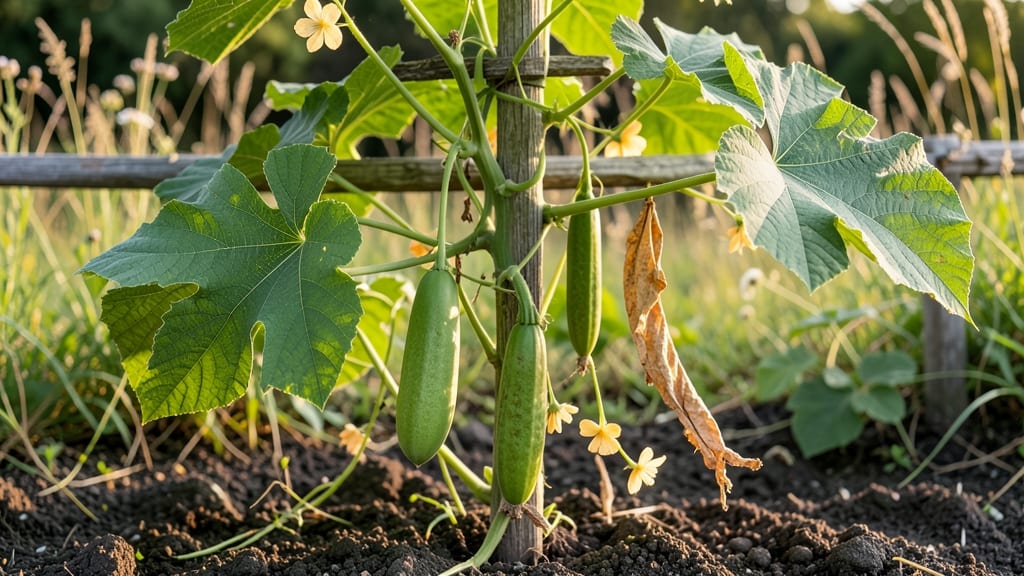
If you’ve ever wondered just how tall your 🍉 luffa plants can grow, the answer might surprise you—these vining giants can stretch up to 20-30 feet with the right care, turning your garden into a jungle of edible vines and natural sponges.
But before you panic about space, here’s the good news: luffa plants are annuals, so their height is a one-season commitment. Whether you’re growing the smooth Luffa aegyptiaca or the ridged Luffa acutangula, understanding their growth habits is key to maximizing fruit production without sacrificing your yard.
In this guide, I’ll break down everything you need to know—from trellising tips to space-saving hacks—so you can enjoy luffa’s bounty without losing your garden to unruly vines. Let’s dive in!
You’ll also discover how to control their height, choose the right varieties for small spaces, and even turn those towering vines into a sustainable harvest. Ready to grow like a pro?


Luffa plant height: how tall they grow under ideal conditions
Luffa plants are the vining superstars of the garden, capable of reaching 20-30 feet in a single growing season when given the right conditions. Their rapid growth—up to 6 inches per day—can turn your garden into a lush, sprawling jungle if left unchecked.
But don’t let their towering potential scare you off; with proper trellising and care, you can harness their height for maximum fruit production and space efficiency.
The two most common luffa species, Luffa aegyptiaca (smooth luffa) and Luffa acutangula (ridged luffa), both thrive as annual vines, meaning their height is a one-season commitment.
However, their growth habits differ slightly, with Luffa acutangula often producing slightly shorter but bushier vines compared to the leaner, taller growth of Luffa aegyptiaca. Understanding these differences is key to planning your garden layout.
In ideal conditions, luffa vines will climb aggressively, requiring a sturdy trellis or support system to prevent them from sprawling across your garden bed. Without support, they’ll flop and struggle to produce fruit efficiently.
The good news? Their height is entirely manageable with the right growing techniques, and you can even control their spread to fit smaller spaces.
Here’s the breakdown of what to expect when growing luffa plants to their full height potential:
Climate plays a huge role in how tall your luffa plants will grow. In warm, tropical climates (USDA Zones 9–11), luffa vines can reach their maximum height of 30 feet or more, especially if planted in full sun with consistent moisture.
In cooler regions (Zones 6–8), expect slightly shorter vines, typically 15–20 feet, unless you extend the growing season with row covers or greenhouses.
Another critical factor is the type of support you provide. Luffa plants are obligate climbers, meaning they rely entirely on trellises, fences, or other vertical structures to grow upward. Without support, their vines will sprawl, leading to tangled messes and reduced fruit production.
A 6–10 foot trellis is the minimum for standard varieties, but taller structures (up to 15 feet) are ideal for maximizing height and yield.
One common misconception is that luffa plants continue growing taller each year. However, since they’re annuals, their height is reset every growing season. This means you can experiment with different trellis heights and varieties each year without worrying about long-term space commitments.
For example, if you planted a 20-foot vine last year and loved the results, you can repeat the process without permanent changes to your garden layout.
To encourage optimal height and fruit production, focus on these three key elements: sunlight (6–8+ hours daily), consistent moisture (deep watering every 3–5 days), and nutrient-rich soil (balanced fertilizer every 4–6 weeks).
Neglect any of these, and you’ll likely see stunted growth or fewer fruits. For instance, underwatering can cause vines to slow their vertical growth, while overcrowding can lead to weaker, shorter plants.
If you’re growing luffa in containers, expect slightly shorter vines (typically 6–12 feet) due to limited root space. However, with a sturdy trellis and regular pruning, you can still achieve a productive harvest.
The key is to choose dwarf or semi-dwarf varieties and ensure your container is at least 15–20 gallons in size to accommodate their sprawling roots.
Pro tip: If you’re concerned about space, consider training your luffa vines along a permanent trellis or fence in your garden’s perimeter. This way, the vines grow vertically without encroaching on your planting beds.
Plus, the vertical growth makes it easier to monitor fruit development and harvest at the perfect time.
Luffa plant height: how tall they grow under ideal conditions
Luffa plants are the garden’s hidden giants, capable of reaching 20-30 feet in a single growing season when given the right conditions. Their rapid growth makes them both a gardener’s dream and a space-challenger—imagine a vine taller than a basketball hoop or even a two-story building!
But here’s the catch: their height depends on species, trellising, and climate. The Luffa aegyptiaca (smooth luffa) and Luffa acutangula (ridged luffa) are the most common, but their growth habits differ slightly. Without proper support, these vines sprawl wildly, while a sturdy trellis can channel their energy upward.
In warm climates like USDA Zones 8-11, luffas grow aggressively, hitting their maximum height of 25-30 feet by late summer. In cooler zones (like Zone 6), expect 15-20 feet unless you extend the season with row covers.
| Variety | Mature Height | Growth Speed | Best For |
|---|---|---|---|
| Luffa aegyptiaca (Smooth Luffa) | 20-30 ft | Fast (1-2 ft/week) | Trellises, large gardens |
| Luffa acutangula (Ridged Luffa) | 15-25 ft | Moderate (1 ft/week) | Containers, small spaces |
| Dwarf Hybrids (e.g., 'Texas Sweet') | 6-10 ft | Slower (6-12 in/week) | Balconies, greenhouses |
Soil fertility plays a huge role in vine height. Well-draining, nutrient-rich soil with compost or aged manure fuels faster growth, while poor soil stunts vines to 10-15 feet. I’ve seen luffas in my garden double their height when given a mid-season boost of 5-10-10 fertilizer.
One common myth is that luffas are perennials, but they’re actually annuals. This means their height is a one-season investment—no need to worry about them taking over your yard year after year. Still, their vines can smother nearby plants, so plan accordingly!
For optimal fruit production, aim for 15-20 feet of vine. Below that, you might sacrifice yield, while taller vines risk pest attraction or trellis strain. The key? Balance height with support—whether it’s a wooden trellis, cable system, or A-frame.