
How To
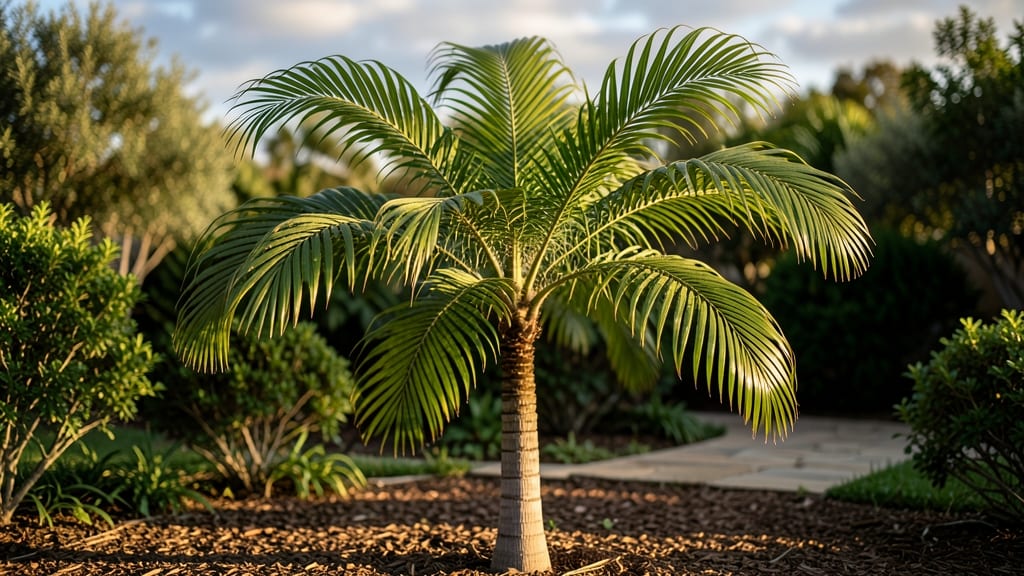
Wondering how tall do Madagascar palms grow before they tower over your backyard? These striking tropical plants can reach heights that’ll surprise you—some stay compact enough for patios, while others stretch toward the sky like nature’s skyscrapers.
The Madagascar Palm 🌴 (Pachypodium lamerei) typically matures between 15-20 feet, but with the right care, you can influence its growth. Whether you’re dreaming of a lush outdoor centerpiece or a statement indoor plant, understanding their potential height helps you plan your space wisely.
From dwarf varieties that stay under 6 feet to giants that need room to thrive, we’ll break down what affects their size—sunlight, soil, and even your climate zone.
You’ll also discover how to keep them manageable with simple pruning tips, so you can enjoy their beauty without the headache of overgrowth.
Ready to transform your space with these eye-catching palms? Let’s dive into the details so you can choose the perfect size for your home or garden—and keep it looking stunning year after year.


Madagascar palm height ranges: compact varieties for small gardens vs. towering species
Madagascar palms—scientifically known as Pachypodium lamerei—are often mistaken for true palms, but they're actually succulent-like plants with striking, upright growth habits. Their mature height can vary dramatically depending on the variety, growing conditions, and care you provide.
Some stay compact enough for container gardening, while others reach towering heights that require outdoor garden space.
The most common species, Pachypodium lamerei, typically grows between 10 to 20 feet tall in ideal conditions. However, younger plants grow slowly in their first few years, making them perfect for gardeners who want a low-maintenance tropical look without immediate height concerns.
For example, a 3-year-old palm might only reach 6 to 8 feet, while a 10-year-old specimen could dominate your landscape at 15 feet or more.
If you're working with limited space, consider dwarf varieties like 'Miniature Madagascar Palm', which max out around 6 feet tall. These are ideal for patio planters or small balconies.
On the other hand, standard varieties thrive outdoors in USDA Zones 10-12 and can grow even taller with proper care, making them a stunning focal point for large gardens or Mediterranean-style landscapes.
Here’s how their growth compares across different varieties and conditions:
The key to controlling height lies in pruning and container size. If you plant your Madagascar palm in a small pot, its roots will stay constrained, limiting vertical growth.
Pruning the top growth in early spring can encourage bushier, compact growth while still allowing the plant to reach its potential height over time. For example, cutting back 1/3 of the top growth can stimulate new shoots and create a fuller, more manageable shape.
Sunlight is another critical factor. While these palms thrive in full sun, they grow more slowly in partial shade, which can help keep them smaller if space is limited.
In my own container garden, I placed a 6-foot dwarf variety in a spot with morning sun and afternoon shade, and it grew at a much slower rate compared to a similar plant in full sun. This trick is especially useful for urban gardeners with limited sunlight options.
Soil type also plays a role. Madagascar palms prefer well-draining, sandy soil to prevent root rot, which can stunt growth. Amending heavy clay soil with perlite or coarse sand ensures healthy roots and steady growth.
I once had a palm in a poorly draining pot that barely grew for a year—once I repotted it in a mix with 50% cactus soil, it shot up 2 feet in just 6 months.
For those in cooler climates (Zones 9 and below), height growth may slow significantly or even halt during winter. These palms are not frost-tolerant and must be brought indoors or heavily mulched to protect their roots.
In my Zone 8 garden, I overwinter my 10-foot palm in a garage with grow lights, and it resumes growth in spring without losing height.
If you're still unsure whether a Madagascar palm fits your space, start with a smaller variety and monitor its growth for a year. This way, you can adjust care techniques or even transplant it to a larger area if needed.
With the right approach, even a 20-foot giant can become a manageable addition to your garden!
Madagascar palm height ranges: compact varieties for small gardens vs. towering species
Madagascar palms, or Pachypodium lamerei, are stunning tropical plants that can dramatically transform your garden—but their height varies wildly depending on the variety. While some stay manageable for patios, others grow tall enough to rival small trees.
Understanding these differences helps you choose the perfect palm for your space.
The most common Madagascar palm varieties fall into three height categories: dwarf (under 6 feet), medium (6-12 feet), and tall (15-20+ feet). Your climate, soil quality, and care routine can push a palm 1-2 feet taller or stunt its growth significantly.
Let’s break down what to expect from each type.
🌱 Here’s how to visualize their sizes:
| Variety | Mature Height | Growth Rate | Best For |
|---|---|---|---|
| Dwarf Varieties (e.g., 'Miniature') | 3–6 ft | Slow to moderate | Containers, patios, small gardens |
| Medium Varieties (e.g., 'Standard') | 8–12 ft | Moderate | Backyard borders, medium gardens |
| Tall Varieties (e.g., 'Giant') | 15–20+ ft | Fast | Large gardens, tropical landscapes |
⚠️ Note: Height depends on sunlight, soil drainage, and pruning.
If you’re growing dwarf varieties, expect them to reach 3-6 feet in 3-5 years with proper care. These are ideal for containers or small patios and thrive in bright indirect light.
Medium varieties, like the classic Pachypodium lamerei, typically hit 8-12 feet in 5-7 years, making them perfect for backyard borders or as focal points.
For tall Madagascar palms, brace for heights of 15-20 feet or more—these are statement plants that need ample space and well-draining soil to support their weight.
In USDA Zones 10-11, they grow fastest outdoors, while in cooler climates, they may stay smaller indoors unless given supplemental grow lights.
One critical factor affecting height is container size. Root-bound palms grow slower and shorter, while those in large pots or garden beds can shoot up 2-3 feet faster. Always use a well-draining mix with perlite or sand to prevent stunted growth from root rot. 🌿