
Flowers
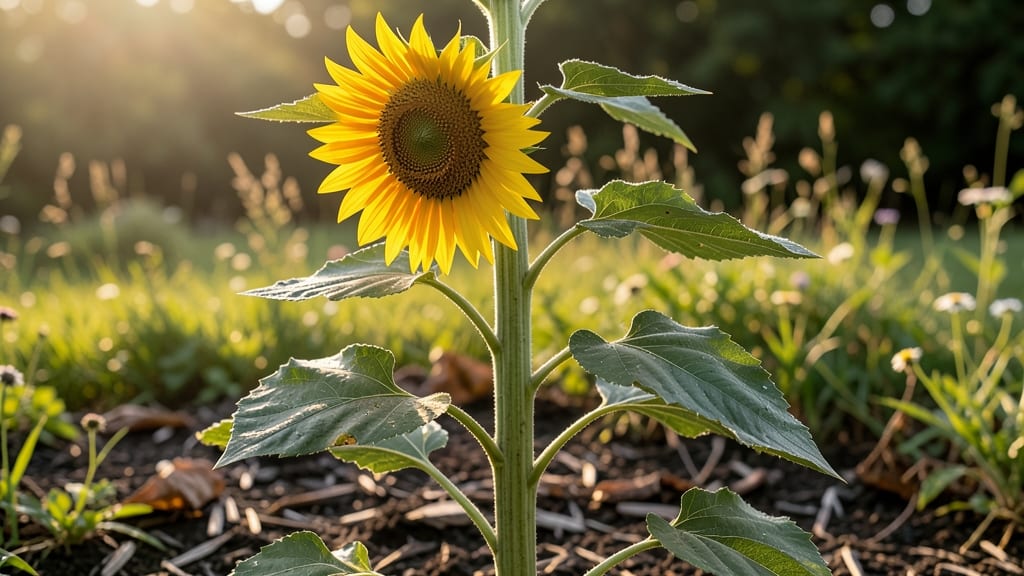
If you’ve ever dreamed of towering sunflowers that turn your garden into a sun-drenched skyline, Mammoth Russian sunflowers 🌻 are the answer—but first, you need to know how tall they really grow and how to support their massive frames.
These giants can reach heights of 12 to 16 feet, making them the perfect statement plants for any backyard. Imagine sunflowers taller than a two-story building—now that’s a conversation starter!
But their impressive height comes with a catch: without the right care, their sturdy stalks can topple under their own weight.
In this guide, I’ll break down exactly what to expect from these sunflowers, including how to give them the support they need to stand tall and proud all season long.
Whether you’re growing them for cut flowers or to attract birds, you’ll learn the secrets to keeping them upright and thriving.
Ready to grow sunflowers that command attention? Let’s dive into the details so you can enjoy these giant beauties without the worry of them falling over.


Mammoth Russian sunflower height: exact growth ranges and record-breaking varieties
When I first planted Mammoth Russian sunflowers in my garden, I was amazed by how quickly they shot up—literally! These sunflowers are famous for their staggering heights, but not all varieties reach the same peak.
The standard Mammoth Russian typically grows between 12 to 16 feet tall, while some exceptional specimens can even surpass 18 feet under ideal conditions.
What makes these sunflowers so impressive is their rapid vertical growth. In just 80 to 100 days from planting, they can go from a tiny sprout to a towering giant.
This speed is one reason they’re a favorite among gardeners who want quick, dramatic results. But their height isn’t just about show—it’s also a testament to their hardiness and resilience.
Now, let’s talk about the varieties that fall under the Mammoth Russian umbrella.
The most well-known include: - 'Mammoth': The classic variety, reaching 12 to 16 feet. - 'Russian Giant': Often grows even taller, sometimes hitting 18 feet. - 'Autumn Beauty': A stunning variety that can also reach 14 to 16 feet while producing multi-colored petals.
| Variety | Typical Height | Max Recorded Height | Best For |
|---|---|---|---|
| Mammoth | 12–16 ft | 17 ft | Cut flowers, bird feeders |
| Russian Giant | 14–18 ft | 19 ft | Showstopper displays |
| Autumn Beauty | 14–16 ft | 16 ft | Colorful bouquets |
🌻 Height can vary based on soil, sunlight, and care!
If you’re wondering how these sunflowers compare to other varieties, rest assured that Mammoth Russians dwarf most sunflowers. For example, the popular 'Teddy Bear' sunflower maxes out at around 3 to 5 feet, while the 'Moulin Rouge' stays between 4 to 6 feet.
The Mammoth Russian’s height is truly in a league of its own, making it a standout choice for any garden.
But here’s the catch: their height comes with challenges. Without proper support, their tall, slender stalks can bend or snap under their own weight. That’s why I always recommend staking or caging these giants early in their growth.
A simple bamboo stake or tomato cage can make all the difference in keeping them upright.
Another factor that affects their height is growing conditions. Sunflowers planted in rich, well-draining soil with full sun exposure will grow taller and stronger than those in poor soil or shade.
I’ve found that adding a balanced fertilizer (like a 10-10-10 NPK) every 4 to 6 weeks during the growing season gives them the extra boost they need to reach their full potential.
For those of you who love data, here’s a quick growth timeline to help you track their progress:
- Weeks 1–4: Seedling stage (0–2 feet).
- Weeks 5–8: Rapid stem growth (4–8 feet).
- Weeks 9–12: Flower bud formation (10–14 feet).
- Weeks 13–16: Full bloom (12–16+ feet).
One of the most exciting aspects of growing Mammoth Russian sunflowers is watching them attract pollinators and birds. Their towering heights make them perfect perches for goldfinches and other seed-eating birds.
Plus, their large, vibrant blooms add a splash of color to any garden, making them a favorite for cut flower arrangements too.
If you’re planning to grow these sunflowers, I highly recommend giving them plenty of space to spread out. Plant them at least 2 to 3 feet apart to allow for proper air circulation and root growth.
This spacing also helps prevent disease and pest issues, which can stunt their growth.
In summary, Mammoth Russian sunflowers are towering giants that can reach heights of 12 to 16 feet, with some varieties even breaking the 18-foot mark. Their impressive stature makes them a showstopper in any garden, but they do require extra care and support to thrive.
With the right conditions, you’ll have sunflowers that turn heads and fill your garden with sunshine and beauty.
Best soil and spacing for maximum Mammoth Russian sunflower growth
To coax your Mammoth Russian sunflowers to reach their full 12–16 foot potential, start with the right foundation: nutrient-rich soil and proper spacing. These giants demand room to stretch their roots and stalks, so crowding them will stunt their growth and weaken their stems.
Aim for 2–3 feet of space between each plant to give their roots room to expand and their stalks room to stand tall.
Your soil should be well-draining yet moisture-retentive—think of it as a fluffy, fertile sponge. Amend heavy clay with compost or sand to improve drainage, while sandy soils benefit from adding organic matter like peat moss or aged manure.
A pH between 6.0 and 7.0 is ideal, as sunflowers thrive in slightly acidic to neutral conditions. Test your soil before planting to avoid surprises.
For maximum height, focus on these three soil amendments:
- Compost (for nutrients),
- Bone meal (for phosphorus to boost flowering),
- Kelp meal (for potassium to strengthen stems). Work these into the top 12 inches of soil before planting.
If your garden soil is poor, consider planting in raised beds filled with a mix of garden soil, compost, and perlite for the perfect growing medium.
| Growing Condition | Specification |
|---|---|
| Soil Type | Loamy, well-draining, fertile |
| pH Level | 6.0–7.0 (slightly acidic to neutral) |
| Spacing | 2–3 feet apart (in rows 3–4 feet apart) |
| Sunlight | Full sun (6+ hours daily) |
| Soil Amendments | Compost, bone meal, kelp meal |
| Drainage | Avoid waterlogged soil (amend with sand if needed) |
Don’t overlook the power of companion planting to boost your sunflowers’ growth. Pair them with bush beans or clover to fix nitrogen in the soil, which these heavy feeders will appreciate.
Avoid planting near potatoes or tomatoes, as they compete for the same nutrients and can stunt your sunflowers’ growth. If space is limited, consider growing them in containers with a diameter of at least 18 inches and a depth of 2 feet.
In cooler climates (USDA Zones 3–5), extend the growing season by starting seeds indoors 4–6 weeks before the last frost. Use black plastic mulch to warm the soil and speed up germination.
For warmer climates (Zones 6–10), plant in early spring or late summer to avoid the intense midday heat, which can stress young plants. Always plant seeds 1 inch deep and keep the soil consistently moist until germination.
With the right soil prep and spacing, your Mammoth Russian sunflowers will reward you with towering stalks that dominate your garden—and maybe even your neighbors’ envy! Just remember: patience and preparation are key to growing these giants right. 🌱