
How To
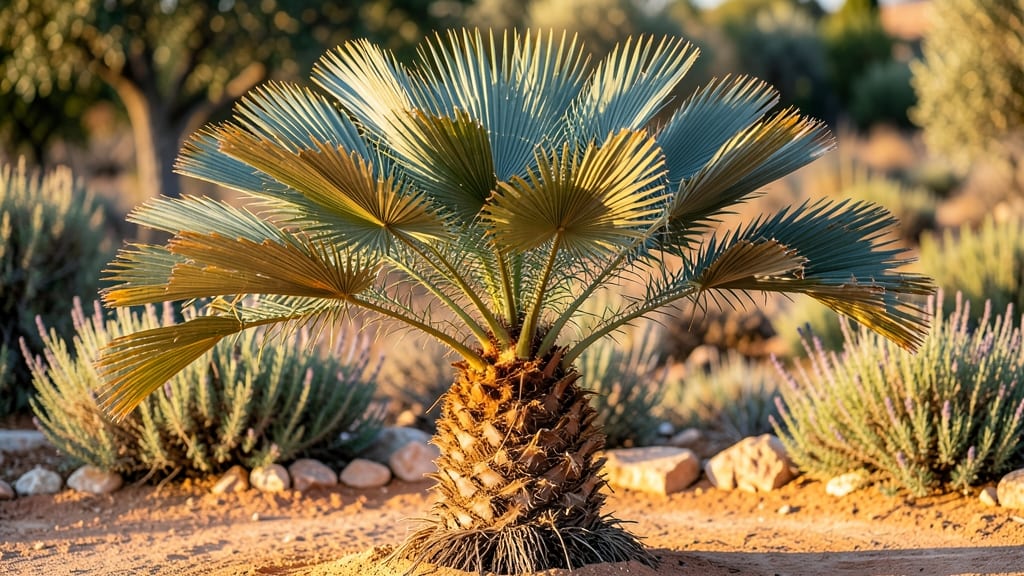
If you're dreaming of adding a Mediterranean Fan Palm 🌴 to your landscape, you might be wondering just how tall these tropical beauties can grow. The answer isn't one-size-fits-all—these palms can reach anywhere from 10 to 25 feet at maturity, depending on the variety and growing conditions.
What makes this even more interesting is how their growth habits change over time. In their first few years, these palms grow relatively slowly, putting on just 2 to 4 feet of height annually.
But once they mature, their growth rate can accelerate, especially in ideal Mediterranean Climate (General) conditions with plenty of sunlight and well-draining soil.
If you're planning your landscape design, knowing these details is key. Whether you're aiming for a statement centerpiece or a more compact accent plant, understanding how tall Mediterranean Fan Palms can grow will help you make the best choices for your space.
Let’s break down the exact heights by variety and share some pro tips to ensure your palm thrives—no surprises included. Ready to get started?


Mediterranean fan palm height guide by variety: mature sizes revealed
Mediterranean fan palms (Chamaerops humilis) are the hardiest palms in the world, thriving where most tropical species would perish. Their mature height can range dramatically—from compact shrubs to tall statement trees—depending on the variety and growing conditions.
If you're planning your landscape, knowing these differences will help you choose the perfect palm for your space, whether it's a small courtyard or a large backyard.
Most Mediterranean fan palms reach their full height between 15 to 25 feet, but some rare varieties stay under 10 feet. The key to controlling their size lies in understanding the three primary categories: standard, semi-dwarf, and collector varieties.
Each has unique growth patterns and care requirements that directly impact their mature stature.
🌱 Did You Know? The tallest recorded Mediterranean fan palm reached 25 feet in ideal Mediterranean climates, while container-grown specimens often max out at 8-10 feet. This flexibility makes them perfect for both urban and rural landscapes.
The standard Mediterranean fan palm (Chamaerops humilis) is the most common variety, often reaching 15-25 feet in ideal conditions. This makes it perfect for large gardens, Mediterranean-style landscapes, or as a focal point near patios.
If you're in USDA Zone 8b or warmer, you can expect faster growth due to longer growing seasons and milder winters.
For smaller spaces, the 'Variegata' and 'Tangerine' varieties are excellent choices. These variegated cultivars grow 10-18 feet tall and add stunning visual interest with their creamy yellow or pinkish streaks. Their slower growth rate also makes them easier to manage in containers or urban courtyards.
If you're a collector, 'Cerifera' is a standout with its thicker trunks and glossy fronds, often growing 18-22 feet tall. This variety thrives in coastal climates where humidity is higher, making it ideal for California or Mediterranean coastal gardens.
The 'Gracilis' variety is the smallest, staying under 10 feet, making it perfect for small gardens or large pots.
One common misconception is that Mediterranean fan palms grow too quickly and become unmanageable. In reality, their slow to moderate growth rate means you can enjoy them for decades without drastic height changes.
Proper pruning and container growing can further control their size, making them adaptable to almost any landscape.
When planning your landscape, consider the mature height alongside other factors like trunk thickness, frond spread, and cold hardiness. For example, a 15-foot palm with a 6-foot frond spread will occupy significantly more space than a 10-foot palm with a 4-foot spread.
This balance ensures your palm fits harmoniously without overwhelming your outdoor space.
🌿 Pro Tip: If you're unsure about a palm's mature size, start with a container-grown specimen**. This lets you test its growth rate and adjust your planting location before committing to permanent placement in the ground.
How fast do Mediterranean fan palms grow? Realistic timeline for full height
Mediterranean fan palms (Chamaerops humilis) are often labeled as "slow growers," but their growth rate depends heavily on your climate, soil quality, and care routine. In ideal conditions, these palms can add 1-2 feet per year during their most active growth phases—typically spring through early fall.
Understanding this timeline helps you plan for their mature height of 15-25 feet without surprises.
During their first year, expect your palm to reach 2-4 feet tall, with a sturdy trunk forming if planted from a nursery-grown specimen. The second year often sees the biggest leap, with heights jumping to 6-8 feet as the root system expands.
By year three, your palm will likely hit 10-12 feet, entering its adolescent phase where growth slows slightly but remains steady.
Here’s where most gardeners misjudge the timeline: Mature height isn’t reached until 7-10 years in optimal conditions. While some varieties like 'Tangerine' may plateau earlier at 12-15 feet, standard types will continue climbing toward their 20-25 foot ceiling.
Patience pays off—these palms reward long-term planning with striking architectural presence.
- Year 1: 2-4 ft | Focus on root establishment
- Year 2: 6-8 ft | Rapid trunk thickening begins
- Year 3: 10-12 ft | Fronds fill out dramatically
- Years 4-7: 12-18 ft | Steady growth, seasonal slowdowns
- Years 8-10: 18-25 ft | Mature height achieved
Several factors can accelerate growth, including well-draining sandy soil, full sun exposure (6+ hours daily), and balanced fertilization during spring and summer. I’ve seen palms in coastal California hit 15 feet in just 5 years when given these ideal conditions.
Conversely, poor drainage, shade, or nutrient deficiencies can stunt growth by 30-50%, leaving palms struggling to exceed 10 feet even after a decade.
Seasonal variations also play a role. Growth nearly stops in winter (months 11-2) in cooler climates, while palms in USDA Zones 9b-11 maintain slower but consistent growth year-round.
Pruning old fronds in late winter can redirect energy to new trunk growth, but avoid heavy pruning during active growing seasons—this stresses the palm and can delay height gains.
For those impatient for height, consider container growing with larger pots (24"+ diameter)—this limits root competition and can push growth rates by 20-30%. Just remember: even in containers, Mediterranean fan palms are not fast growers.
Their slow-and-steady approach builds a strong, durable trunk that withstands storms and droughts far better than quickly grown alternatives.