
How To
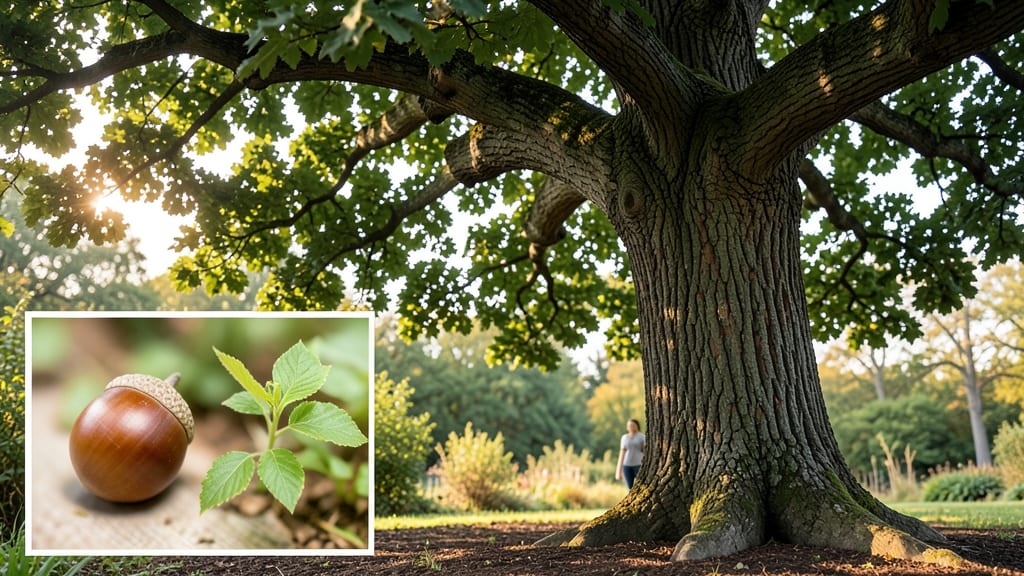
Wondering how tall do oaks grow before you commit to planting one? You might be surprised by just how massive these majestic 🌳 giants can become—some towering over 100 feet like natural skyscrapers in your backyard!
Oak trees aren’t just beautiful; they’re a long-term investment that can outlive generations. Whether you’re dreaming of a shade-providing centerpiece or debating which species fits your space, understanding their growth potential is the first step to smart planning.
From the towering white oak to the sprawling live oak, we’ll break down exactly what to expect in terms of height, growth rates, and how to nurture your oak tree for maximum potential. Let’s explore the facts so you can make the best choice for your landscape.
You’ll discover which species stay more compact, how climate and soil impact their growth, and the care secrets to help your oak thrive for decades. Ready to plant with confidence?


Mature heights of oak tree species: from dwarf varieties to giants
Oak trees are legendary for their impressive stature, but not all species reach the same heights. While some varieties can dwarf a 10-story building, others remain more manageable for suburban landscapes. Understanding these differences helps you choose the perfect oak for your space.
The white oak often tops the charts, reaching heights of 70-100 feet with a spread of 50-80 feet. Its sturdy branches and dense canopy make it a favorite for parks and large estates.
If you love shade but have limited space, the bur oak is a great alternative, growing to 50-75 feet with a more compact form.
Red oak varieties typically mature between 60-90 feet, offering a balance of height and spread. These trees are prized for their brilliant fall foliage and adaptability to various soil types. Meanwhile, the live oak can grow even taller—sometimes exceeding 80 feet—but its sprawling limbs make it ideal for coastal regions where it thrives near saltwater.
For smaller yards, consider the pin oak, which grows to 50-75 feet but has a narrower canopy. Its pyramidal shape makes it perfect for tight spaces where vertical growth is preferred over horizontal spread.
If you're wondering whether dwarf oaks exist, the answer is mostly no—most oaks are naturally large trees. However, some grafted varieties or carefully pruned specimens can be kept smaller, though they’ll still require significant space over time.
Here’s a quick comparison to help you visualize these differences:
| Species | Mature Height | Spread | Best For |
|---|---|---|---|
| White Oak | 70-100 ft | 50-80 ft | Large estates, parks |
| Red Oak | 60-90 ft | 40-70 ft | Suburban yards, fall color |
| Live Oak | 60-80+ ft | 60-100 ft | Coastal areas, shade trees |
| Bur Oak | 50-75 ft | 40-60 ft | Urban landscapes, compact spaces |
| Pin Oak | 50-75 ft | 30-50 ft | Tight yards, vertical growth |
When selecting an oak, consider not just height but also canopy spread and root depth. Some species, like the live oak, develop extensive root systems that can disrupt sidewalks or driveways if planted too close to structures.
Always measure your space and research local climate conditions to ensure your oak thrives.
For example, white oaks prefer well-drained soil and full sun, while live oaks tolerate wetter soils and even salt spray, making them ideal for coastal gardens. Matching your oak species to your environment ensures it reaches its full potential height and longevity.
Pro tip: If you’re planting near power lines, opt for a pin oak or bur oak, which grow more vertically and are less likely to interfere with overhead utilities. Always check local regulations before planting near infrastructure.
Ready to plant? Start by choosing a species that fits your space and climate, then prepare the soil with compost to give your oak the best start. With proper care, your oak could become a stunning centerpiece for decades to come! 🌳
How fast do oak trees grow? Growth rates by species and age
Oak trees are famous for their longevity, but their growth pace can surprise even seasoned gardeners. While they’re not the fastest-growing trees, some varieties like the pin oak and red oak can grow 12-24 inches per year in ideal conditions.
Others, like the white oak, take their time, growing just 6-12 inches annually.
In their first decade, oak trees focus on root development, so early growth is modest. A 2-year-old sapling might only reach 3-5 feet, while a 10-year-old could stand 15-25 feet tall. Patience is key—most oaks reach their full height between 50-100 years, depending on the species.
Here’s a quick look at how different oak species grow over time, so you can set realistic expectations for your landscape:
To encourage faster growth, prioritize well-draining soil, full sun exposure, and regular deep watering during dry spells. Young oaks benefit from a mulch ring to retain moisture and protect roots, while mature trees become drought-tolerant once established.
Remember, oak trees grow best when left alone—over-pruning can stunt their natural height and strength. Focus on removing dead branches and shaping only when necessary to maintain their majestic form.
With the right conditions, your oak could become a century-old giant in your landscape, providing shade and beauty for generations. Start small, but think big!