
Trees
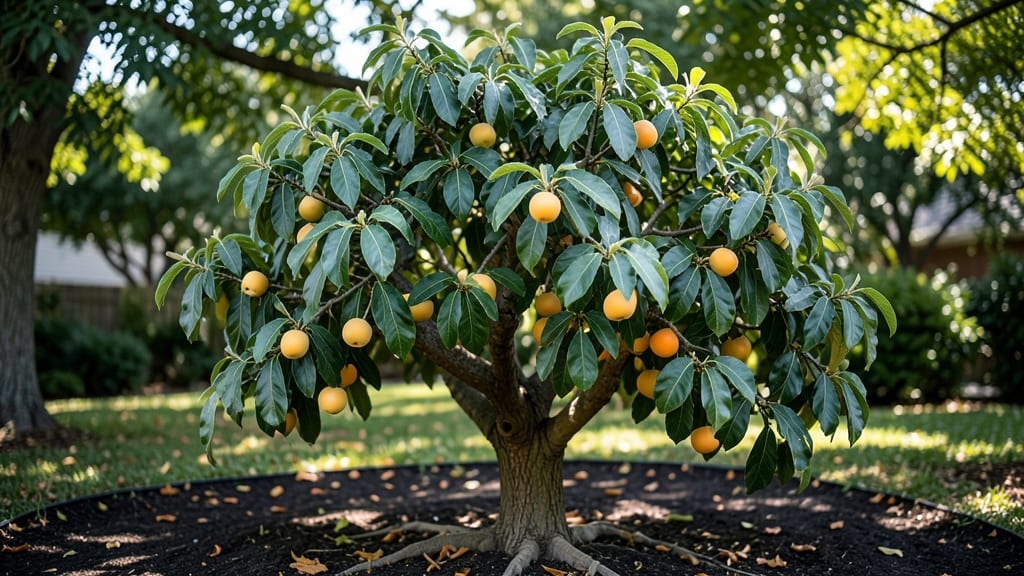
If you're wondering "how tall do persimmon trees grow", you're about to discover something surprising—these 🍠 trees can become either towering giants or manageable shrubs, depending on the variety you choose.
Most persimmon trees, especially the American persimmon (Diospyros virginiana), can reach heights of 30 to 50 feet when fully mature, making them a statement piece in any landscape.
But don't let that intimidate you—there are smaller options too, like dwarf varieties that stay between 15 to 20 feet, perfect for smaller yards or containers.
Understanding these height differences is the key to planning your garden the right way. Whether you're dreaming of a backyard orchard or a space-saving patio tree, knowing how tall your persimmon will grow helps you decide on spacing, pruning, and even where to plant it for the best results.
Let’s break down the specifics so you can pick the perfect persimmon tree for your space—and learn how to keep it at your desired height with simple pruning tips.


Mature heights of persimmon tree varieties: from dwarf to giant
When planning your backyard orchard or even a small-space garden, knowing how tall persimmon trees grow is essential. These stunning trees vary dramatically in size—from towering giants to compact varieties perfect for containers.
The American persimmon (Diospyros virginiana) and Asian persimmon (Diospyros kaki) each offer unique growth habits that will shape your garden layout.
For most gardeners, the height of a persimmon tree determines whether it becomes a centerpiece or a background element. Standard varieties can reach 30-50 feet tall, while dwarf selections stay under 15 feet. Understanding these differences helps you choose the perfect fit for your space and vision.
| Variety | Mature Height | Spread | Growth Habit | Best For |
|---|---|---|---|---|
| American Persimmon | 25-40 ft | 20-30 ft | Upright, rounded | Wildlife gardens, large yards |
| Asian Persimmon (Standard) | 30-50 ft | 25-40 ft | Vigorous, spreading | Orchards, large properties |
| Fuyu (Non-Astringent) | 20-30 ft | 15-25 ft | Compact, rounded | Home gardens, urban yards |
| Hachiya (Astringent) | 25-40 ft | 20-30 ft | Tall, upright | Traditional orchards |
| Dwarf Asian Persimmon | 10-15 ft | 8-12 ft | Bushy, multi-trunk | Containers, patios, small spaces |
The American persimmon typically grows to 25-40 feet tall with a broad, rounded canopy. This native species thrives in USDA Zones 4-9 and is perfect for wildlife-friendly gardens. Its orange-red fruit adds seasonal color long after leaves fall.
In contrast, Asian persimmons like Fuyu and Hachiya reach even greater heights—30-50 feet—but offer sweeter, more reliable fruit. The Fuyu variety is particularly popular for home gardens because it stays slightly smaller (20-30 feet) while producing non-astringent fruit that can be eaten fresh when firm.
If space is limited, consider dwarf Asian persimmon varieties, which max out at 10-15 feet. These are ideal for containers or small patios and can even be grown in large pots with proper care. Just ensure they receive full sun (6-8 hours daily) to thrive.
Rootstock selection plays a critical role in height control. Semi-dwarf rootstocks reduce mature height by 30-50% compared to standard varieties. For example, grafting a Fuyu persimmon onto a semi-dwarf rootstock could limit its height to 15-20 feet while maintaining fruit quality.
When planting, always account for both height and spread. A 50-foot-tall persimmon with a 40-foot spread needs ample room to avoid shading out other plants or obstructing views. In tight spaces, pruning can help manage growth, but it’s best to choose the right variety from the start.
For urban gardeners, dwarf varieties are game-changers. They produce fruit without dominating your space, making them perfect for balconies, courtyards, or even large containers. Just remember: even dwarf persimmons need well-draining soil and regular pruning to stay healthy and productive.
Whether you're aiming for a shade tree, a fruit-bearing specimen, or a space-saving patio plant, persimmon trees offer options for every garden size. Start by matching your space to the variety’s mature height, and don’t forget to plan for its eventual spread.
Mature heights of persimmon tree varieties: from dwarf to giant
Persimmon trees come in a stunning range of sizes, from towering giants that dominate the landscape to compact varieties perfect for containers.
The American persimmon (Diospyros virginiana) typically reaches 30 to 50 feet at maturity, while Asian persimmons like Fuyu and Hachiya often top out between 20 to 30 feet—though some dwarf cultivars stay under 15 feet.
Choosing the right variety depends on your space and goals. If you have a large backyard, a standard American persimmon will thrive and provide abundant fruit. For smaller gardens or urban spaces, dwarf varieties offer the same delicious rewards without the same footprint.
| Variety | Mature Height | Growth Habit | Best For |
|---|---|---|---|
| American Persimmon | 30-50 ft | Upright, spreading | Large yards, wildlife gardens |
| Fuyu (Asian) | 20-30 ft | Compact, rounded | Backyards, containers (dwarf) |
| Hachiya (Asian) | 25-35 ft | Upright, dense | Orchards, larger patios |
| Dwarf Varieties | 10-15 ft | Compact, bushy | Urban gardens, containers |
Rootstock selection plays a huge role in tree size. Grafting persimmon trees onto dwarfing rootstock can reduce their mature height by 30-50%. For example, a standard Fuyu grafted onto a dwarfing rootstock might stay under 15 feet instead of reaching 25 feet.
Always check with your nursery about rootstock options when purchasing.
Even if you choose a larger variety, don't worry—persimmon trees grow relatively slowly in their early years. The first three years will see 3-10 feet of growth, giving you plenty of time to adjust your garden plan as the tree matures.
This gradual growth makes them ideal for long-term landscaping projects.
For container growing, stick with dwarf varieties or heavily pruned standard trees. Use a large pot (at least 20 gallons) with well-draining soil and ensure it gets full sun. With proper care, even a patio persimmon can produce fruit—just expect smaller yields than their yard-grown counterparts.
Remember, the height of your persimmon tree isn't just about aesthetics—it affects fruit production, airflow, and even harvesting ease. A well-placed tree with proper spacing will reward you with healthier growth and better yields for decades to come.