
Plants
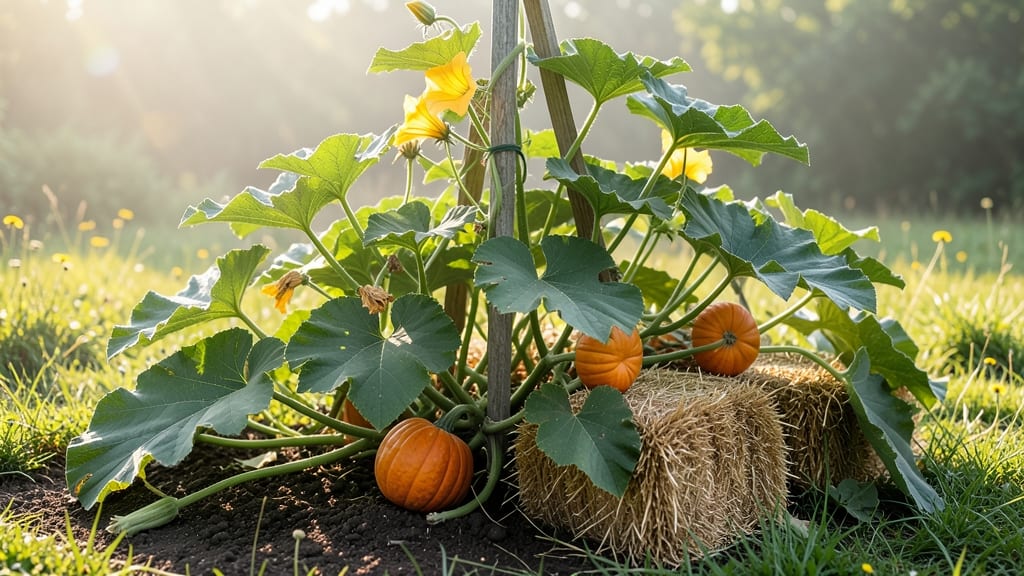
If you're planning your garden this spring and wondering "how tall do pumpkin plants grow", you're in for a surprise—these orange giants don't just grow upward, they sprawl like nature's own playground.
Some varieties stretch over 20 feet, while others stay neatly contained, making them perfect for small spaces or containers.
Understanding your pumpkin's growth habits is the first step to creating a thriving garden. Whether you're dreaming of giant jack-o'-lanterns or compact varieties for your balcony, knowing the difference between vining and bush types will help you plan your space wisely.
Let me show you how to choose the right variety for your garden's size and layout.
For those with limited space, don't worry—there are plenty of pumpkin varieties that stay short and sweet. We'll explore the best options for small gardens and how to manage even the tallest vines without sacrificing yield. Ready to turn your garden into a pumpkin patch without the sprawl?
In this guide, you'll discover everything from the tallest vining varieties to the most compact pumpkins, plus practical tips to keep your garden organized and productive. Let's get growing!


Pumpkin vine growth heights by variety: from mini to monster
Pumpkin vines can range from compact bush varieties under 3 feet tall to monster vines stretching over 30 feet. The difference comes down to genetics—some are bred for space efficiency while others prioritize giant fruit production.
Understanding these variations helps you plan your garden layout or container setup before planting.
Most pumpkins fall into two main categories: bush types (shorter vines, 3-6 feet) and vining types (long sprawling vines, 10-30+ feet). Even within these groups, specific varieties can vary dramatically.
For example, the Jack Be Little pumpkin stays under 2 feet while the Atlantic Giant can sprawl 25+ feet in a single season.
Here’s how to visualize the space needs: Imagine a 10-foot vine spreading in all directions—it needs a 10-foot diameter circle to thrive. For 20-foot vines, you’ll need a 20-foot radius or creative training techniques.
Even small gardens can accommodate pumpkins if you choose the right variety and use vertical space wisely.
🎃
Notice how bush varieties like Sugar Pie stay under 5 feet, making them ideal for raised beds or small urban plots. Meanwhile, vining types like Howden or Atlantic Giant demand serious space—unless you’re willing to invest in trellising systems or vertical gardening.
If you’re growing giant pumpkins, plan for at least 20 feet of vine length per plant. These varieties need rich, fertile soil and consistent watering to support their massive fruit. Even then, you’ll need to prune aggressively to direct energy toward fruit production rather than endless vines.
For container gardening, stick to dwarf varieties like Jack Be Little or Minnie’s Tie Dye. These thrive in 5-gallon buckets with proper drainage. Just ensure your container is at least 12 inches deep and place it in full sun for best results.
Pro tip: Even vining varieties can work in small spaces if you train them vertically. A sturdy pumpkin trellis or cattle panel arch can turn a 20-foot vine into a 10-foot vertical display. Just be prepared to prune regularly to prevent breakage from heavy fruit.
🪴
Pumpkin vine growth heights by variety: from mini to monster
When you picture pumpkin plants, you might imagine sprawling vines stretching endlessly—but the truth is, their height and spread vary wildly by variety. Some pumpkins stay compact like bush beans, while others stretch like rambling roses.
Understanding these differences is key to planning your garden layout and maximizing your harvest.
Most pumpkins are vining plants, meaning they spread horizontally rather than growing tall vertically. However, the length of those vines can range from just a few feet to over 20 feet, depending on the variety.
For example, the Atlantic Giant pumpkin, famous for its record-breaking size, can sprawl up to 30 feet or more, while bush varieties like Jack Be Little stay neatly contained in a 3-foot radius.
| Variety | Vine Length | Type | Best For |
|---|---|---|---|
| Atlantic Giant | 20-30+ ft | Vining | Large gardens, trellises |
| Jack Be Little | 3-5 ft | Bush | Containers, small spaces |
| Sugar Pie | 8-10 ft | Semi-vining | Balconies, raised beds |
| Cinderella | 10-15 ft | Vining | Traditional gardens |
| Minnesota Midget | 2-4 ft | Bush | Urban gardens |
The vine length of a pumpkin plant directly impacts how much space you’ll need. If you’re working with a small garden, opt for bush varieties like Jack Be Little or Minnesota Midget, which stay under 5 feet and produce mini pumpkins perfect for decorating or cooking.
These varieties are ideal for containers or raised beds, making them a favorite among urban gardeners.
On the other hand, if you have ample space and want to grow giant pumpkins, varieties like Atlantic Giant or Howden will thrive. These vining types can spread 20-30 feet, so plan accordingly.
A trellis system can help manage their growth and save space, though it may reduce the size of the pumpkins themselves.
For a middle-ground option, consider semi-vining varieties like Sugar Pie or Cinderella, which spread 8-15 feet and are great for traditional garden plots. These varieties offer a balance between space efficiency and yield potential, making them versatile for gardeners with moderate space.
When choosing a pumpkin variety, also consider your climate and growing season. Longer vines need more time to mature, so in cooler climates, opt for shorter varieties that can ripen before the first frost.
With the right variety, you can enjoy a bountiful harvest without sacrificing your garden’s layout or space.