
How To
Purple hull pea height range: vining vs. bush varieties explained
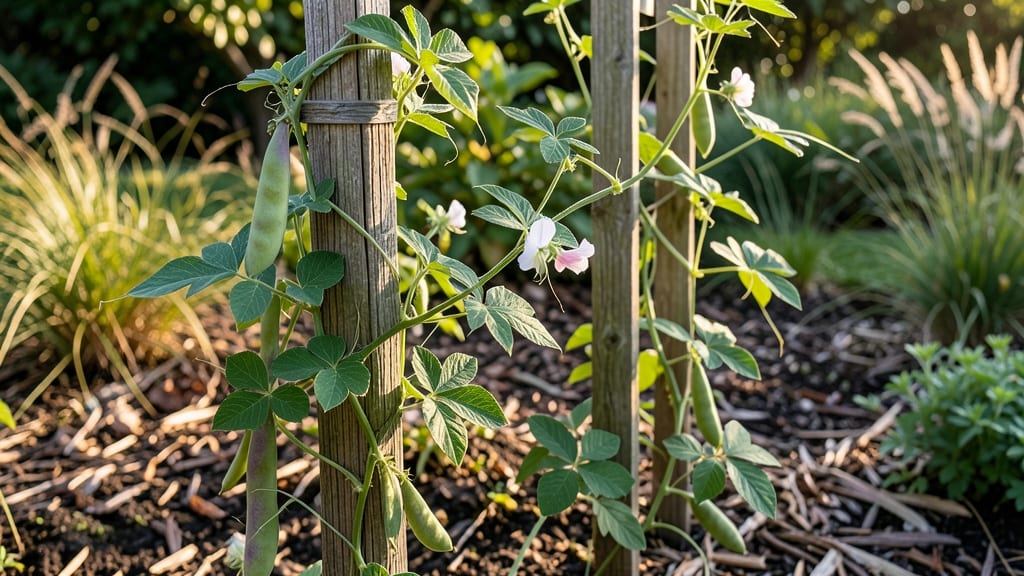
When I first planted purple hull peas, I was shocked by how quickly their vines stretched toward the sky—some reaching heights I never expected! These peas are famous for their climbing ability, but not all varieties grow tall.
The classic purple hull peas typically climb 6 to 10 feet when given proper support, while dwarf varieties stay between 1 to 3 feet tall. Understanding these differences helps you plan your garden layout and choose the right variety for your space.
The height of your purple hull pea plants depends heavily on whether you're growing a vining type or a bush type. Vining varieties need a trellis or sturdy fence to climb, while bush varieties grow in a more compact form.
If you're short on vertical space, dwarf varieties are a game-changer—they thrive in containers or small garden beds without needing extra support.
Here’s the key difference: Vining purple hull peas can grow up to 10 feet tall if given the right conditions, while bush varieties max out around 3 feet. This variance makes them versatile for gardens of all sizes, from tiny urban patios to sprawling backyard plots.
The right choice depends on your available space and whether you prefer easy access to pods or a more traditional climbing vine.
If you're growing vining purple hull peas, a 6-foot trellis is a great starting point, but some varieties will exceed this if conditions are ideal. I’ve seen my tallest vines reach 10 feet when given plenty of sunlight, rich soil, and consistent watering.
For bush varieties, you’ll save space and still enjoy a bountiful harvest without needing vertical support.
One of my favorite tips for managing tall vines is to use a strong bamboo trellis or a wire cage. This not only supports the plants but also keeps pods off the ground, reducing the risk of rot or pest damage.
For small-space gardens, dwarf varieties like 'Oregon Sugar Pod' are my go-to—they produce just as many pods but stay neatly contained in a 2-foot radius.
Don’t forget that purple hull pea vines can spread widely if not contained. If you’re growing them in rows, leave 18–24 inches between plants to prevent overcrowding. This spacing ensures good airflow, which helps prevent diseases like powdery mildew.
For container gardening, choose dwarf varieties and use large pots with drainage holes to keep roots healthy.
Another factor that influences height is the age of the plant. In their first year, vining varieties might only reach 2–4 feet, but by their second year, they can easily double in height.
This is why many gardeners opt for annual planting—it keeps the vines manageable and ensures a fresh start each season. If you’re committed to perennial growth, plan for taller structures from the beginning.
When it comes to harvesting, taller vines make it easier to pick pods without bending over, but they also require more maintenance. I’ve found that regular pruning helps control height and encourages bushier growth, which can actually increase yield.
Simply trim back the longest vines by one-third to promote lateral branching and more pods.
For those with limited vertical space, consider growing purple hull peas in hanging baskets. Some dwarf varieties thrive in this setup, producing a cascade of vines and pods that add a stunning visual element to patios or balconies.
Just ensure the basket is large enough to accommodate the plant’s mature size and provide adequate drainage.
In summary, the height of your purple hull peas is entirely customizable. Whether you love the dramatic look of 10-foot vines or prefer the low-maintenance charm of 2-foot bushes, there’s a variety to fit your garden’s style and space.
Experiment with different types to see which grows best in your climate and conditions—your future harvest will thank you! 🌱
Purple hull pea height range: vining vs. bush varieties explained
Purple hull peas are legendary for their vibrant purple pods and high yields, but their height can vary dramatically depending on the variety you choose.
Most traditional vining purple hull peas reach 6 to 10 feet tall, while bush or dwarf varieties stay between 1 to 3 feet. This difference isn’t just about aesthetics—it affects how you plan your garden layout, trellising needs, and even your harvest strategy.
The classic vining purple hull peas (like the original heirloom varieties) are aggressive climbers, sending out long, sturdy tendrils that can wrap around trellises or fences. Without support, they’ll sprawl across the ground, but with a strong trellis, they’ll shoot upward like a vertical jungle.
These varieties are perfect for larger gardens or if you want to maximize vertical space.
On the other hand, bush or dwarf purple hull peas are bred to stay compact and bushy, making them ideal for small gardens, containers, or urban spaces.
These varieties don’t require trellising and often produce earlier and more concentrated yields since all their energy goes into pod development rather than climbing. If you’re short on space, these are your best bet!
If you’re growing vining purple hull peas, investing in a strong trellis (like a 6-foot tall cage or sturdy bamboo stakes) is a game-changer.
A trellis not only controls their height but also improves air circulation, reducing the risk of fungal diseases and making pods easier to harvest.
Without support, these peas can sprawl up to 10 feet, which might be great for a country-style garden but could become unruly in smaller spaces.
For bush varieties, you’ll save time and space by skipping the trellis entirely. These peas focus their energy on producing pods rather than climbing, often resulting in earlier harvests and higher yields per square foot.
They’re also low-maintenance, making them perfect for beginner gardeners or those with limited mobility.
Pro tip: If you love the flavor of purple hull peas but hate the idea of a 10-foot vine, look for semi-dwarf varieties—they strike a balance at 3 to 5 feet tall and can work well with a medium-height trellis or even a small fence.
This way, you get the best of both worlds: compact growth without sacrificing yield or flavor!