
How To
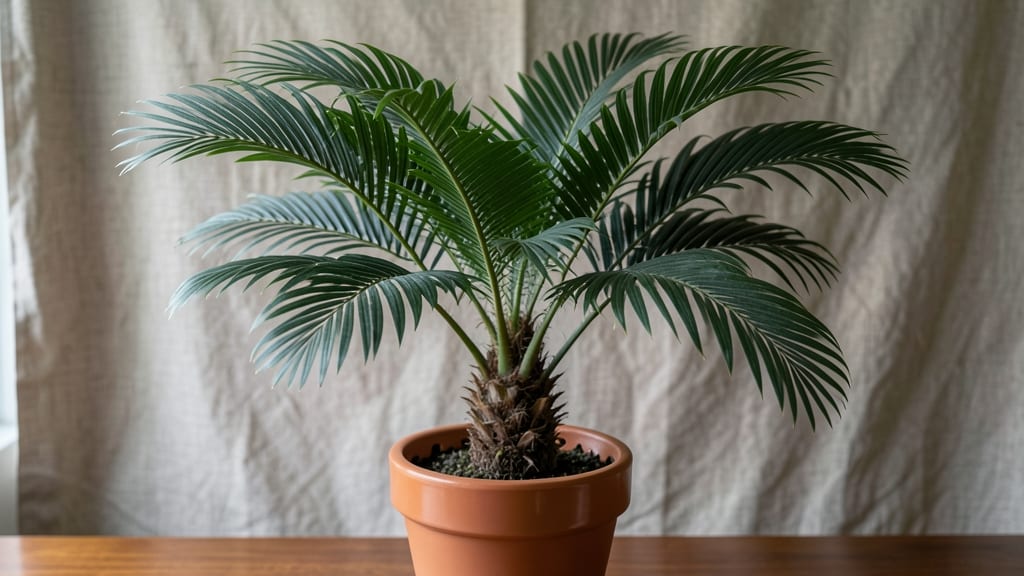
If you're wondering how tall do pygmy palms grow, you're not alone—many gardeners hesitate to add these tropical beauties to their spaces because of misconceptions about their size. The truth? These charming 🌴 plants stay compact, making them perfect for small balconies, cozy corners, or even office desks.
Most pygmy palms, like the beloved Chamaedorea elegans, mature between 2 to 3 feet tall, with some dwarf varieties staying even shorter. That means you can enjoy their lush foliage without sacrificing floor space.
But here’s the catch: their height depends on care, light, and container size—so let’s dive into how to keep them at your ideal height.
Whether you're a beginner or a seasoned plant parent, understanding their growth habits will help you create the perfect environment. You’ll learn how to control their size naturally, avoid common mistakes that make them grow too tall, and even spot the best varieties for tight spaces.
Ready to transform your space with these low-maintenance palms? Let’s explore the secrets to keeping your pygmy palm at the perfect height—so it thrives without taking over.


Pygmy palm mature height: exact growth expectations by variety
Pygmy palms, like the beloved Chamaedorea elegans (parlor palm), are often marketed as compact tropical plants—but their mature height can still surprise first-time growers.
On average, these dwarf palms reach 2 to 3 feet tall under ideal conditions, though some varieties stay closer to 1.5 feet when grown in small containers. The key to controlling their height lies in understanding your specific variety and its growth habits.
Not all pygmy palms grow the same. For example, the Neanthe Bella palm (another dwarf species) typically maxes out at 2.5 feet, while the Bamboo palm (Chamaedorea seifrizii) can stretch toward 3 feet if given ample space.
If you're working with limited room, choosing the right variety is your first step to keeping your palm's height in check.
Here’s the critical detail: pygmy palms grow slowly—about 6 to 12 inches per year—but their height can double if you overlook their care needs.
Proper lighting, container size, and pruning all play a role in whether your palm stays a manageable 2 feet or becomes an unruly 3 feet.
| Variety | Mature Height | Growth Rate | Best For |
|---|---|---|---|
| Chamaedorea elegans (Parlor Palm) | 2–3 ft | 6–12 in/year | Indoor, small spaces |
| Neanthe Bella Palm | 2–2.5 ft | 4–8 in/year | Low-light areas |
| Bamboo Palm (Chamaedorea seifrizii) | 3 ft | 8–12 in/year | Outdoor containers |
| Pygmy Date Palm (Phoenix roebelenii) | 1.5–2 ft | 3–6 in/year | Terrariums, small pots |
If you're planning to grow a pygmy palm indoors, the Pygmy Date Palm (Phoenix roebelenii) is one of the slowest growers, making it ideal for tight spaces like shelves or desks. This variety rarely exceeds 2 feet and thrives in containers as small as 6 inches wide.
Meanwhile, the Bamboo palm grows faster but can be managed with regular pruning and proper container selection.
One common misconception is that pygmy palms will stay small forever. In reality, they’ll continue growing until they hit their genetic height limit—or until they outgrow their container. To prevent leggy growth, always use a pot that’s only slightly larger than the plant’s current root ball.
A container that’s too big encourages rapid height growth as the plant stretches to fill the space.
For outdoor growers, pygmy palms can reach their maximum height faster due to better airflow and natural light. However, even in ideal outdoor conditions, most varieties won’t surpass 3 feet.
If you’re concerned about height, opt for the Neanthe Bella, which naturally stays shorter and is more forgiving in lower-light conditions.
Light exposure directly impacts height. Pygmy palms grown in bright indirect light (like an east-facing window) will grow more compactly than those stretched toward a single south-facing window.
If your palm starts leaning or growing tall and thin, it’s a sign it needs more balanced light or a rotation every few weeks to encourage even growth.
Pro tip: If you’ve already got a tall pygmy palm and want to control its height, topping (cutting the top fronds) can encourage bushier, slower growth. Just be sure to use clean, sharp pruners and follow up with a balanced fertilizer to support new growth.
Remember, pygmy palms are called "dwarf" for a reason—but they still need space to thrive. By choosing the right variety, monitoring light, and using the right container, you can keep your palm’s height in check while enjoying its lush, tropical appeal.
Pygmy palm mature height: exact growth expectations by variety
When I first brought home my Chamaedorea elegans—better known as the parlor palm—it was barely taller than my wrist. Fast forward a few years, and it's now a lush, 3-foot tropical statement piece in my living room.
The key? Understanding that even "pygmy" palms have growth expectations, and their mature height varies by variety. Most stay between 2 to 3 feet tall, but some dwarf varieties like Chamaedorea microspadix max out around 1.5 feet.
What surprises many gardeners is how quickly these palms grow in ideal conditions. A healthy pygmy palm can add 6 to 12 inches per year during its first few years, though growth slows as it matures.
In my experience, the parlor palm (Chamaedorea elegans) typically hits its mature height of 2 to 3 feet in 3 to 5 years, while slower-growing varieties like Neanthe bella palm may take 5 to 7 years to reach just 2 feet.
| Variety | Mature Height | Growth Rate | Time to Maturity |
|---|---|---|---|
| Chamaedorea elegans (Parlor Palm) | 2-3 ft | 6-12 in/year | 3-5 years |
| Chamaedorea microspadix (Dwarf Palm) | 1-2 ft | 3-6 in/year | 5-7 years |
| Neanthe bella (Bamboo Palm) | 2-3 ft | 4-8 in/year | 4-6 years |
| Chamaedorea seifrizii (Bamboo Palm) | 3-4 ft | 8-12 in/year | 3-4 years |
The container size you choose plays a huge role in controlling height. I’ve found that pygmy palms in 10- to 12-inch pots stay significantly shorter than those in larger containers.
For example, my Neanthe bella grew just 1.5 feet in its first 3 years because it was confined to a 10-inch pot, while a friend’s identical plant in a 16-inch pot reached 2.5 feet in the same time.
Another factor is light exposure. Pygmy palms grown in bright indirect light (like near an east-facing window) tend to grow taller and fuller, while those in lower light conditions may stay more compact but with fewer fronds.
My Chamaedorea microspadix in the bathroom with artificial grow lights only reached 1 foot after 4 years, compared to its sibling in the living room at 1.8 feet.
If you're planning for a small-space garden, consider the Chamaedorea microspadix or C. elegans varieties—they’re the slowest growers and perfect for indoor terrariums or window sills.
For outdoor spaces in USDA zones 10-12, the Neanthe bella is a great choice, though it may grow slightly taller in warm climates. Always check your specific variety’s care tag, as some nurseries sell "pygmy" palms that are actually juvenile larger varieties.
Remember, even the fastest-growing pygmy palms rarely exceed 4 feet, making them ideal for apartment living, offices, or patios. With the right care, you can enjoy their tropical beauty without the space commitment of larger palms.
Just give them the right light, water, and container size, and they’ll reward you with years of lush, manageable growth. 🪴🌿