
How To
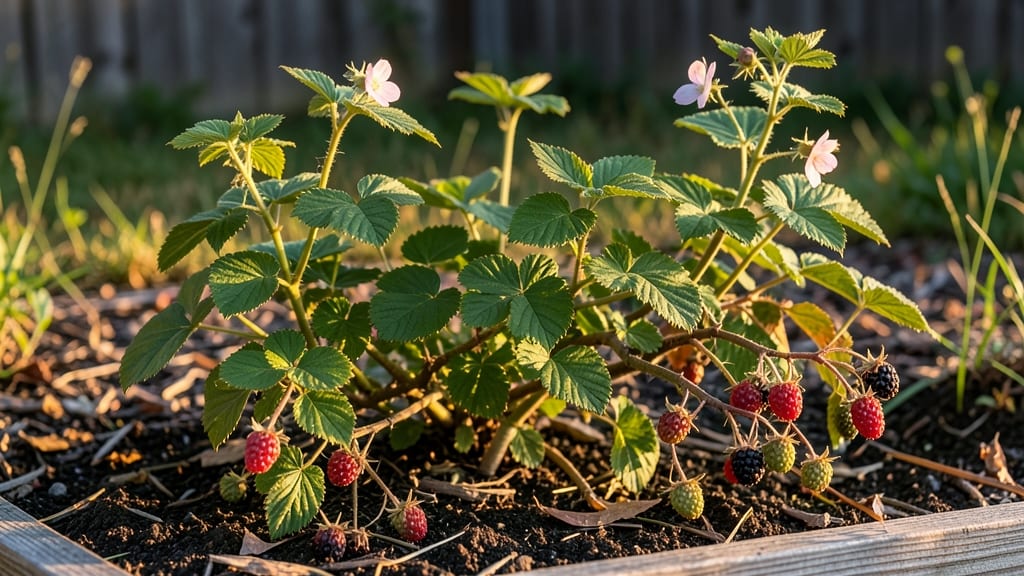
If you've ever wondered how tall do raspberries grow, you're not alone—this is the first question I asked when planning my own patch! 🍓 These versatile plants can range from compact bushes to towering canes, and knowing their mature size is key to spacing, trellising, and even pruning for maximum yield.
The height of your raspberry plants depends entirely on the variety you choose, with some dwarf types staying under 5 feet while standard varieties can reach 8 feet or more.
For beginners, this means your garden layout could change dramatically based on what you plant—whether you need a small corner plot or a full trellis system.
What's even more interesting is how growth habits evolve over time. In their first year, raspberries might only grow to 2-3 feet, but by year three, they can double or triple in height.
This progression is why proper spacing and support from the start are so important—especially if you're aiming for that 6-foot harvest potential.
Ready to plan your raspberry garden? I'll walk you through everything from variety-specific heights to the best spacing rules and pruning techniques to keep your plants thriving. Let's get those canes growing strong!


Raspberry plant height by variety: from dwarf to giant types
Raspberries are one of the most versatile berries you can grow, with heights ranging from compact dwarf varieties to towering standard-size bushes. The height of your raspberry patch depends entirely on the variety you choose, as well as how you train and prune the canes.
Understanding these differences will help you plan your garden layout and maximize your harvest.
Most raspberry varieties reach their mature height within 2-3 years, but their growth habits vary significantly. For example, summer-bearing varieties like Heritage and Boyne typically grow taller, while fall-bearing (primocane) types like Caroline and Anne may stay slightly shorter but produce fruit on first-year canes.
Let’s break down the height expectations for popular raspberry varieties to help you make the best choice for your space.
| Variety | Type | Mature Height | Spacing Needs | Best For |
|---|---|---|---|---|
| Heritage | Summer-bearing | 6-8 ft | 3-4 ft apart | Large patches, trellises |
| Boyne | Summer-bearing | 5-7 ft | 2.5-3 ft apart | Small gardens, containers |
| Caroline | Fall-bearing (primocane) | 5-6 ft | 3 ft apart | Extended harvest, trellises |
| Anne | Fall-bearing (primocane) | 4-5 ft | 2-3 ft apart | Small spaces, urban gardens |
| Nova | Summer-bearing | 6-7 ft | 3-4 ft apart | Large yields, trellises |
| Dwarf varieties (e.g., 'Tulameen') | Summer-bearing | 3-4 ft | 1.5-2 ft apart | Containers, small gardens |
If you're working with limited space, consider dwarf varieties like Tulameen or compact primocane types such as Heritage Red. These stay under 4 feet tall and are perfect for container gardening or small backyard patches.
On the other hand, standard varieties like Heritage or Nova can reach 8 feet or taller, making them ideal for large garden beds or trellis systems.
One key factor that influences height is whether your raspberries are summer-bearing or fall-bearing (primocane). Summer-bearing varieties like Heritage produce fruit on second-year canes and tend to grow taller, while fall-bearing types like Caroline fruit on first-year canes and may stay slightly shorter.
This difference affects not only height but also pruning requirements and harvest timing.
For vertical gardening, taller varieties like Heritage or Nova thrive on trellis systems, where their canes can be trained upward to save space. This method also improves air circulation and reduces disease risk.
If you're unsure which variety to choose, start with a mix of summer- and fall-bearing types to extend your harvest season from early summer to fall
Optimal spacing rules for raspberry bushes based on height
Now that you know how tall raspberries grow, the next critical step is spacing them correctly. Proper spacing ensures airflow, light penetration, and easy maintenance—all of which directly impact yield.
For standard varieties like Heritage, which reach 6-8 feet, you’ll need more room than for dwarf types like Caroline, which max out at 5 feet.
As a rule, I recommend spacing raspberry plants 3-4 feet apart in rows that are 6-8 feet apart. This gives mature canes enough room to spread without competing for nutrients.
If you’re growing primocane varieties (like Boyne), which can reach 7-10 feet, you might even stretch spacing to 5 feet apart to accommodate their height and vigor.
The key is balancing canopy spread with root zone expansion. For example, a 6-foot-tall raspberry bush can spread 3-4 feet wide at maturity. Planting too closely leads to overcrowding, which increases disease risk (like fungal infections) and reduces fruit quality.
On the flip side, spacing too far apart wastes garden space—especially if you’re working with limited real estate.
Here’s where trellising comes into play. If you’re growing tall varieties, a trellis system not only supports their height but also opens up the garden floor for other plants. I use T-posts with wire trellises for my 8-foot Boyne canes, spacing them 4 feet apart in rows.
This setup keeps canes upright, improves airflow, and makes harvesting a breeze.
For dwarf or semi-dwarf varieties, you can get creative with spacing. For instance, Caroline raspberries (which stay under 5 feet) can be planted 2-3 feet apart in a tight hedge-like formation.
This works well for small gardens or container growing. Just remember: even compact varieties need proper airflow to prevent mildew.
Another pro tip? Mulch heavily around your raspberry plants to retain moisture and suppress weeds. A 3-inch layer of mulch (like straw or wood chips) also helps regulate soil temperature, which is especially important for shallow-rooted dwarf varieties that can stress easily in extreme heat.
Finally, consider your garden layout. If you’re planting raspberries along a fence or perimeter, you can often reduce spacing by 1 foot since the structure provides support. Just ensure the fence is sturdy enough to handle the weight of mature canes—especially those 7-foot giants!
| Variety Type | Mature Height | Spacing (ft) | Trellis Needs |
|---|---|---|---|
| Dwarf (e.g., Caroline) | 3–5 ft | 2–3 ft apart | Low (optional stakes) |
| Semi-Dwarf (e.g., Anne) | 5–6 ft | 3 ft apart | Moderate (light trellis) |
| Standard (e.g., Heritage) | 6–8 ft | 4 ft apart | High (full trellis) |
| Primocane (e.g., Boyne) | 7–10 ft | 5 ft apart | Very High (strong trellis) |
With the right spacing, your raspberry patch will thrive—producing bigger berries, healthier canes, and easier harvests for years to come. And if you’re still unsure, start with a small test patch to see how your chosen variety performs in your space!