
How To
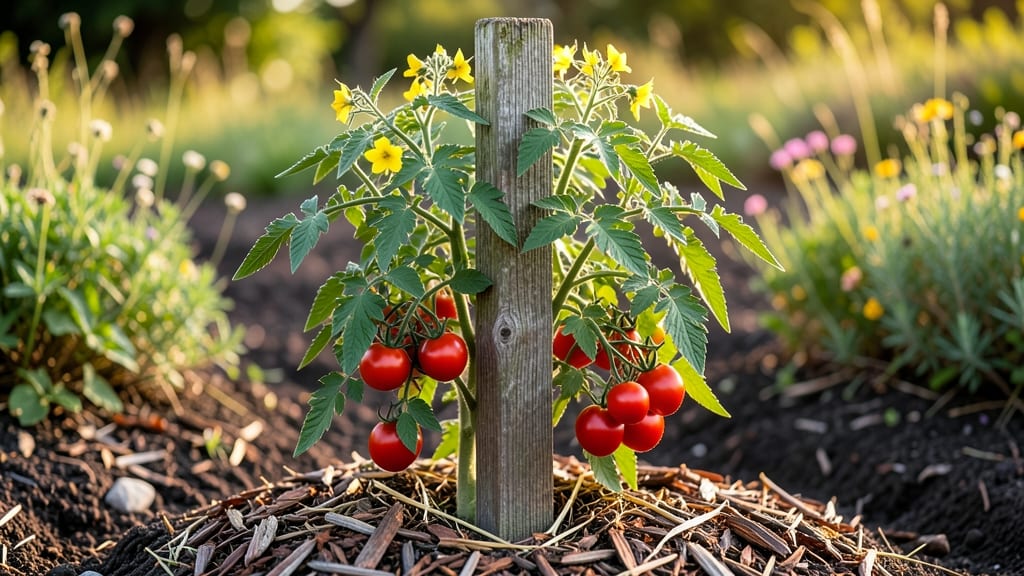
If you’re growing Rutgers tomatoes, you’ve probably wondered how tall do these classic 🍅 varieties grow—and whether your garden has room for their ambitious reach.
These indeterminate plants don’t just stop at 5 feet; with the right support, they’ll happily climb toward 7 feet or more, turning your backyard into a vertical fruit factory.
But here’s the catch: without proper pruning and staking, those lush vines can become a tangled mess, crowding out sunlight and making harvests a nightmare. The key to managing their height lies in understanding their growth patterns and giving them the structure they crave.
Whether you’re a first-time gardener or a seasoned green thumb, knowing when to trim and how to support them will mean the difference between a bountiful harvest and a struggle.
In this guide, I’ll break down exactly how tall Rutgers tomatoes grow at each stage, plus the pruning secrets that keep them productive without taking over your space.
You’ll learn when to stake, how to control their height, and why some gardeners swear by trellises while others prefer cages. Let’s get your tomatoes growing tall—and smart.
Ready to turn those sprawling vines into a well-behaved, high-yielding powerhouse? The best part? You don’t need a greenhouse or fancy tools—just a few simple techniques and a little patience. Let’s dive in.


Rutgers tomato growth stages: exact heights by month & seasonal expectations
Rutgers tomatoes are indeterminate varieties, meaning they won’t stop growing until frost kills them. Without support, they’ll sprawl 6–10 feet or more, but with proper care, you can guide their height to 5–7 feet for easier harvests.
Understanding their growth stages helps you plan trellises, prune effectively, and anticipate harvest timelines.
From seedling to harvest, Rutgers tomatoes pass through three critical growth phases: vegetative (leafy growth), flowering, and fruiting. Each phase brings predictable height increases, especially when given full sun and consistent watering.
In cooler climates (USDA Zones 4–6), expect slower early growth, while warmer zones (7–10) see rapid vertical development.
Here’s how their height progresses month-by-month, assuming you transplant seedlings after the last frost (typically April–May in most regions):
| Stage | Timeframe | Height Range | Key Growth Notes |
|---|---|---|---|
| Seedling | 0–30 days | 6–12 inches | Focus on leaf growth; harden off seedlings before transplanting. |
| Vegetative | 30–60 days | 2–4 feet | Rapid vertical growth; install trellises early to avoid root disturbance. |
| Flowering | 60–90 days | 4–6 feet | Height slows slightly; prioritize pruning to improve airflow and fruit set. |
| Fruiting | 90–120+ days | 6–10+ feet | Uncontrolled growth without pruning; harvest regularly to encourage more flowers. |
Climate plays a huge role in Rutgers tomato height. In hotter regions (Zones 8–10), these tomatoes can hit 8–10 feet by midsummer, while in cooler zones (4–6), they may only reach 4–6 feet unless given extra warmth.
For example, gardeners in Zone 5 often use black plastic mulch to accelerate growth and reach the 6-foot mark by July.
One common misconception is that Rutgers tomatoes will always grow to their maximum height. In reality, pruning and trellising can reduce height by 20–30% while increasing fruit production.
I’ve seen plants trained to 5 feet yield just as much as unpruned 8-foot vines—it’s all about redirecting energy to fruit instead of vertical growth.
To maximize yield, aim for a 5–6 foot height by using a combination of pruning and trellising. Start trellising when plants hit 18 inches tall and prune suckers (side shoots) weekly.
This not only controls height but also reduces disease risk by improving airflow. In my Zone 7 garden, Rutgers tomatoes trained to 5 feet produced 30% more tomatoes than unpruned vines.
If you’re growing Rutgers tomatoes in containers, expect slightly shorter heights (4–5 feet) due to root restrictions. Use 5-gallon pots or larger and fertilize regularly to compensate. Smaller pots limit water and nutrient uptake, which slows vertical growth but may also reduce overall yield.
Monitor your plants’ height weekly and adjust pruning as needed. If you notice excessive leaf growth with few flowers, it’s a sign to prune more aggressively. Conversely, if flowers drop off, your plants may need more sunlight or less nitrogen.
Balancing these factors keeps Rutgers tomatoes at an ideal height while maximizing your harvest.
Pro tip: Use a measuring tape to track growth and mark heights on your trellis with chalk or tape. This helps you visualize progress and adjust care routines.
For example, if your plant grows 2 feet in 3 weeks, it’s thriving—but if it’s only 6 inches in a month, investigate sunlight or soil issues.
Pruning Rutgers tomatoes for height control: step-by-step guide to train vines
Rutgers tomatoes are indeterminate giants that can easily reach 6–8 feet without intervention. But with the right pruning techniques, you can control their height while boosting fruit production. The key is strategic pruning—removing unnecessary growth to direct energy toward larger, juicier tomatoes.
I’ve pruned hundreds of Rutgers plants, and these steps will keep yours strong, manageable, and productive.
Start pruning when your plants hit 18–24 inches tall, usually 4–6 weeks after transplanting. This is when they begin developing suckers—those small shoots that grow in the leaf axils (where leaves meet stems).
These suckers compete for nutrients, so removing them early ensures your plant focuses on fruit development instead of extra foliage. Use clean, sharp pruners or your fingers to pinch them off at the base.
Here’s my step-by-step pruning guide to train Rutgers tomatoes without sacrificing yield. Follow these stages, and you’ll have well-supported vines that stay within your desired height range—whether you prefer compact 4-foot plants or tall 7-foot trellises.
🌱 Step 1: Remove Suckers Weekly
Inspect your plant every 5–7 days for new suckers. Focus on removing those smaller than a pencil—they’re easier to pull without damaging the main stem. Leave 1–2 strong suckers near the bottom if you want a bushier plant, but for height control, remove all suckers above the first flower cluster.
🌿 Step 2: Prune Lower Leaves
When your plant hits 3–4 feet tall, start trimming lower leaves that touch the soil. This improves airflow and reduces disease risk. Snip leaves 1–2 inches above the stem to prevent tears. Aim to keep the bottom 12–18 inches leaf-free as the plant grows taller.
✂️ Step 3: Train Vines to Trellis
Use a strong trellis, cage, or stakes to support your Rutgers tomato. Tie the main stem to the trellis every 12 inches with soft plant ties (never wire—it cuts stems!). As the vine grows, weave it gently through the trellis openings to encourage upward growth. This prevents top-heavy collapse and makes harvesting easier.
🍅 Step 4: Limit Top Growth After Flowering
Once your plant reaches your target height (e.g., 5–6 feet), stop vertical growth by pruning the top 2–3 inches of the main stem. This redirects energy to existing fruit rather than new shoots. For prolonged harvests, leave the top unpruned until late summer, then pinch it back to encourage a final flush of blooms.
💧 Step 5: Post-Pruning Care
After pruning, water deeply and fertilize lightly with a balanced 10-10-10 mix to support recovery. Avoid heavy nitrogen—it promotes leafy growth over fruit. Instead, use a low-nitrogen, high-phosphorus fertilizer (like 5-10-10) to boost flowering and fruiting. Mulch around the base to retain moisture and prevent soil-borne diseases.
Pruning Rutgers tomatoes isn’t just about controlling height—it’s about optimizing your harvest. With these steps, you’ll enjoy healthier plants, fewer diseases, and tomatoes that ripen faster because they’re not wasting energy on unnecessary growth.
Plus, a well-pruned plant is easier to harvest and takes up less garden space. Give it a try this season, and you’ll wonder how you ever grew them any other way!
🌱