
Plants
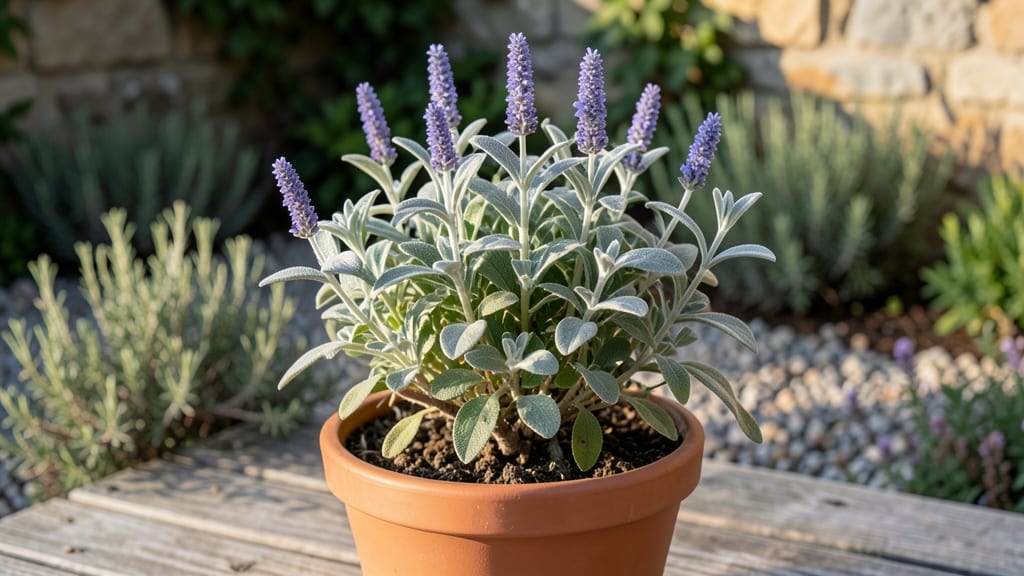
If you’re wondering how tall do sage plants grow, the answer might surprise you—this hardy herb can range from a compact 1-foot bush to a towering 4-foot shrub, depending on the variety and care.
Whether you’re growing sage for cooking, crafts, or just to brighten your garden, understanding its growth potential is key to getting the most out of your 🌿.
Common garden sage, like the classic culinary variety, typically reaches 2-3 feet tall when mature, making it perfect for kitchen gardens or container pots.
But varieties like golden sage or pineapple sage can stay shorter, around 1-2 feet, while others, like the standard garden sage, may stretch toward 4 feet if left unchecked. The good news? With the right pruning and care, you can easily manage its height to fit your space.
What many gardeners don’t realize is that sage’s height isn’t just about genetics—sunlight, soil, and even your pruning habits play a huge role. Too much shade or neglect can stunt growth, while over-pruning can encourage leggy, weak stems.
The key is finding that sweet spot where your sage thrives without taking over your garden or windowsill.
Ready to grow sage that’s just the right size? I’ll walk you through the best practices for controlling height, whether you’re aiming for a sun-dried harvest or fresh leaves for your favorite recipes. Let’s get started!


Sage plant height by variety: common types and their growth ranges
Sage plants (Salvia officinalis) are versatile herbs that can range from compact bushy shrubs to tall woody perennials, depending on the variety. Whether you're growing sage for culinary use or as an ornamental plant, understanding these height differences is key to planning your garden layout and harvest strategy.
The most common sage varieties fall into three height categories: dwarf, standard, and tall ornamental types. Dwarf varieties stay under 2 feet tall, making them perfect for containers or small gardens, while standard culinary sage typically reaches 3 to 4 feet at maturity.
Ornamental sages like purple sage or golden sage can even exceed 4 feet in ideal growing conditions.
Here’s how the most popular sage varieties compare in terms of height and growth habits:
| Variety | Mature Height | Growth Habit | Best For |
|---|---|---|---|
| Common Sage (Salvia officinalis) | 3–4 ft | Upright, woody stems | Culinary use, fresh/dried harvests |
| Berggarten Sage | 1–2 ft | Compact, bushy | Containers, edging, small gardens |
| Purple Sage (Salvia officinalis 'Purpurascens') | 2–3 ft | Semi-upright, silvery-purple foliage | Ornamental borders, pollinator gardens |
| Golden Sage (Salvia officinalis 'Aurea') | 2–3 ft | Bushy, golden-yellow foliage | Culinary and ornamental use |
| Pineapple Sage (Salvia elegans) | 2–4 ft | Semi-woody, fragrant flowers | Fragrant cuttings, tea blends |
| May Night Sage (Salvia officinalis 'May Night') | 1–2 ft | Dwarf, dark purple foliage | Containers, ground cover |
Note: Heights can vary based on pruning, soil quality, and sunlight exposure.
If you’re growing sage for culinary purposes, standard varieties like common sage or golden sage are ideal because their woody stems produce the most flavorful leaves.
For ornamental gardens, taller varieties like purple sage add striking color and texture, while dwarf varieties are perfect for container gardening or window boxes.
One key factor that influences height is whether sage is grown as an annual or perennial. In USDA zones 5–8, sage is a hardy perennial that can live for years, gradually increasing in height each season.
However, in colder climates (zones 4 and below), it’s often treated as an annual, which means it may not reach its full mature height before winter.
For container gardening, choose dwarf varieties to prevent overcrowding. Standard sage can also be grown in pots, but you’ll need to prune regularly to control its height and encourage bushier growth.
A 12-inch pot is ideal for dwarf sage, while standard varieties may need 18-inch pots or larger to accommodate their root systems.
Whether you’re aiming for a compact herb garden or a tall ornamental border, selecting the right sage variety is the first step to achieving your desired height. Pair this with proper pruning techniques and care practices to keep your sage thriving at the perfect size for your needs.
Next, we’ll explore how to control sage plant height through pruning and seasonal care to maintain your ideal growth structure—whether you want a bushy herb or a tall, woody specimen.
How to control sage plant height: pruning and care tips for compact growth
Sage plants can grow wildly if left unchecked, reaching 3-4 feet tall. But with the right pruning techniques and care habits, you can keep them bushy and manageable, perfect for fresh harvests or drying.
The key is timing—prune at the right season and frequency to encourage dense growth without sacrificing flavor.
Start by pruning in early spring before new growth begins. This removes dead or woody stems and encourages fuller foliage. For culinary sage, avoid cutting back more than one-third of the plant at a time to prevent stress.
Use clean, sharp shears to make cuts just above a leaf node, where new growth will sprout.
Step-by-Step Pruning Guide for Sage
- Step 1: Prune in early spring or after harvest (June-October).
- Step 2: Remove dead or yellowing leaves first to improve air circulation.
- Step 3: Trim one-third of the plant to encourage bushiness.
- Step 4: Cut just above a leaf node for new growth.
- Step 5: Avoid pruning in fall or winter to prevent frost damage.
Sunlight is another critical factor for controlling height. Sage thrives in full sun (6+ hours daily), but too much intense afternoon sun can stress the plant, leading to taller, leggy growth.
If your sage stretches toward the light, consider light pruning or moving it to a slightly shaded spot in afternoon heat zones (like USDA Zone 9+).
For container-grown sage, choose pots with drainage holes and use well-draining soil to prevent root rot, which can stunt growth. Root-bound plants often grow taller and sparser, so repot every 2-3 years or prune roots gently if you notice circling roots.
Mulching with organic matter (like straw) helps retain moisture while keeping roots cool.
Fertilizing plays a surprising role in height control. Over-fertilizing with high-nitrogen feeds can lead to fast, leggy growth at the expense of flavor.
Instead, use a balanced 10-10-10 fertilizer sparingly—just once in early spring and again after harvesting. Organic options like compost tea or fish emulsion work well for gentle, flavor-rich growth.
If your sage becomes too tall or woody, don’t despair—you can rejuvenate it with a hard prune in spring. Cut back half the plant to 6-12 inches tall, and it will regrow densely within weeks.
Just be patient—younger plants may take a season to recover their full aroma after aggressive pruning.