
How To
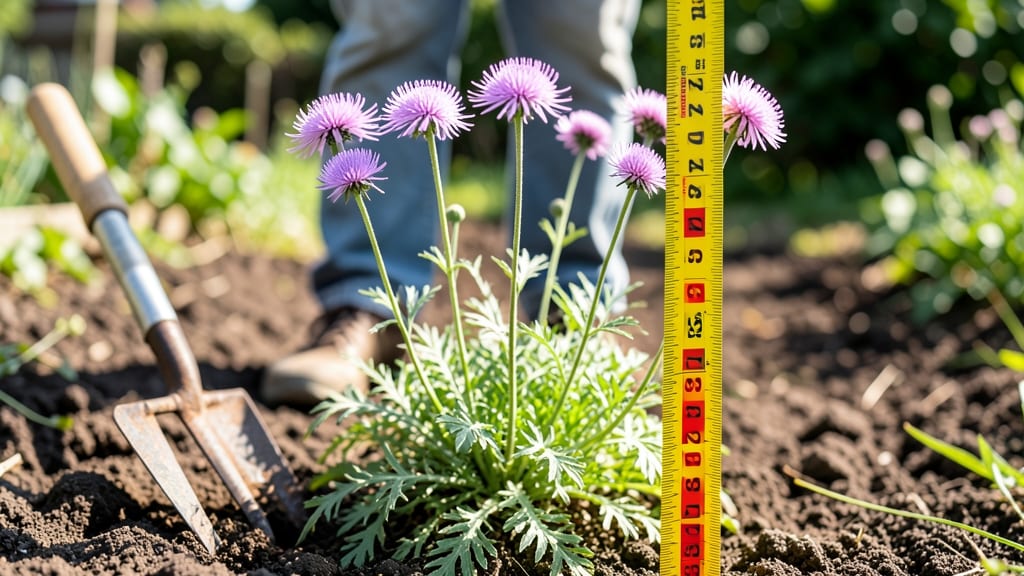
If you're wondering how tall do scabiosa grow, the answer might surprise you—these delicate 🌸 blooms can range from compact 1-foot clumps to towering 4-foot giants, depending on the variety and growing conditions.
Whether you're designing a cottage garden or a wildflower meadow, getting the height right is key to creating a balanced, thriving space that attracts pollinators all season long.
Some gardeners underestimate scabiosa's potential height, only to find their carefully planned borders quickly overcrowded. The good news? With the right spacing and care, you can control their growth—whether you prefer dainty dwarf varieties for the front of borders or tall cultivars to add drama to the back.
Let’s break down exactly what to expect from each type and how to give them the best conditions to reach their full potential.
What you might not realize is that scabiosa height isn’t just about the variety—soil quality, sunlight exposure, and even pruning habits play a huge role. A well-drained, nutrient-rich soil in USDA Zone 6a can push these plants to their maximum height, while poor conditions might stunt their growth.
I’ll share the secrets to encouraging stronger stems and fuller blooms, so you can enjoy scabiosa’s signature lacy flowers at their most impressive.
Ready to transform your garden? By the end of this guide, you’ll know exactly how much space to leave between plants, when to prune for bushier growth, and which varieties will give you the perfect height for your vision. Let’s get started!


Scabiosa height by variety: exact growth ranges for popular types
Understanding scabiosa height is key to creating a balanced garden design. These pincushion flowers offer dramatic height variations, from dwarf varieties perfect for borders to tall cultivars that anchor meadows. Let’s explore the exact growth ranges for popular types so you can plan your layout with precision.
Most scabiosa plants reach maturity in their first growing season, but their final height depends heavily on the variety and growing conditions. For example, Scabiosa columbaria—the most common type—typically grows 18–36 inches tall, while Scabiosa atropurpurea can stretch up to 4 feet.
Choosing the right height ensures your garden thrives without overcrowding.
Here’s a quick comparison to visualize the differences: dwarf scabiosa (12–18 inches) work beautifully in front-of-border plantings, while tall varieties (3–4 feet) make stunning backdrop plants or focal points in wildflower gardens. Let’s break down the specifics in the table below.
| Variety | Mature Height | Growth Habit | Best For |
|---|---|---|---|
| Scabiosa columbaria | 18–36 inches | Upright, bushy | Borders, cottage gardens |
| Scabiosa atropurpurea | 3–4 feet | Tall, sturdy stems | Backdrop, meadows |
| Scabiosa caucasica | 2–3 feet | Semi-upright, spreading | Wildflower mixes, pollinator gardens |
| Dwarf varieties (e.g., 'Butterfly Blue') | 12–18 inches | Compact, rounded | Container gardens, rockeries |
Taller scabiosa varieties like Scabiosa atropurpurea benefit from sturdy stems that can handle wind exposure, making them ideal for exposed garden sites. In contrast, dwarf scabiosa thrive in sheltered spots or containers, where their delicate blooms won’t get damaged. Always match the height to your garden’s microclimate.
Another factor influencing height is sunlight exposure. Scabiosa plants grown in full sun (6+ hours daily) tend to reach their maximum height, while those in partial shade may stay shorter and bushier. If you’re growing tall varieties in shady conditions, expect heights to drop by 20–30%.
For pollinator-friendly gardens, taller scabiosa varieties provide landing platforms for bees and butterflies, while dwarf types offer ground-level nectar access. Mixing heights creates a dynamic vertical display that attracts a wider range of beneficial insects.
Pro tip: Pair 3-foot scabiosa with 2-foot lavender for a textured, layered look.
If you’re growing scabiosa in containers, choose dwarf or semi-dwarf varieties to avoid overcrowding. A 12-inch pot can comfortably hold a 18-inch-tall plant, while taller types need 18-inch pots or larger to support their root systems.
Always use well-draining soil to prevent root rot, which can stunt growth.
Finally, pruning habits can influence height. Deadheading spent blooms encourages continuous flowering and may slightly reduce height, while minimal pruning allows plants to reach their full genetic potential. For tall varieties, consider staking in windy areas to prevent flopping and maintain an upright form.
Now that you know the exact height ranges for scabiosa varieties, you’re ready to plan your garden with confidence. In the next section, we’ll cover spacing guidelines to ensure your plants thrive without competing for space. 🌸
Proper spacing for scabiosa: how height affects plant arrangement
When planning your scabiosa garden, proper spacing isn't just about aesthetics—it's about ensuring each plant thrives. Taller varieties like Scabiosa caucasica need room to avoid flopping, while dwarf types like Scabiosa columbaria 'Butterfly Blue' require tight spacing for a lush display.
Getting this right prevents overcrowding, improves airflow, and keeps your garden looking intentional from spring to fall.
For dwarf scabiosa (12–18 inches tall), space plants 10–12 inches apart. This works perfectly for front-of-border plantings or wildflower meadows where you want a dense, textured look.
The key is to mimic their natural habitat—close enough to create a "sea of blooms" but not so tight that they compete for nutrients.
Medium-height varieties (18–24 inches) like Scabiosa atropurpurea thrive with 14–16 inches of space. This spacing gives them room to develop their signature upright stems while preventing them from leaning into neighbors. It’s ideal for mid-border placements where they can peek over shorter perennials like lavender or catmint.
Here’s how to visualize spacing for tall scabiosa (24–48 inches): Give them 18–24 inches of clearance to avoid wind damage and ensure those delicate blooms stay upright. Place them at the back of borders or as focal points in cottage-style gardens.
Pro tip: Pair tall scabiosa with ornamental grasses like pampas grass—their feathery plumes will complement the scabiosa’s airy blooms.
Space: 10–12 inches apart
Best for: Front borders, wildflower meadows
Example: Scabiosa columbaria 'Butterfly Blue'
Space: 14–16 inches apart
Best for: Mid-border layers, pollinator gardens
Example: Scabiosa atropurpurea
Space: 18–24 inches apart
Best for: Back borders, focal points
Example: Scabiosa caucasica
If you’re creating a wildflower meadow, space scabiosa 12–18 inches apart regardless of height. The goal here is to blend them with other pollinator-friendly plants like yarrow or echinacea.
For container gardening, use one dwarf or medium scabiosa per 12-inch pot—this prevents root competition and ensures they get enough sunlight.
One common mistake? Crowding tall scabiosa too closely, which leads to flopping stems and fewer blooms. Always follow the spacing guidelines, and don’t forget to prune spent blooms to encourage bushier growth.
With the right spacing, your scabiosa will reward you with months of effortless beauty—and happy pollinators will thank you too!