
How To
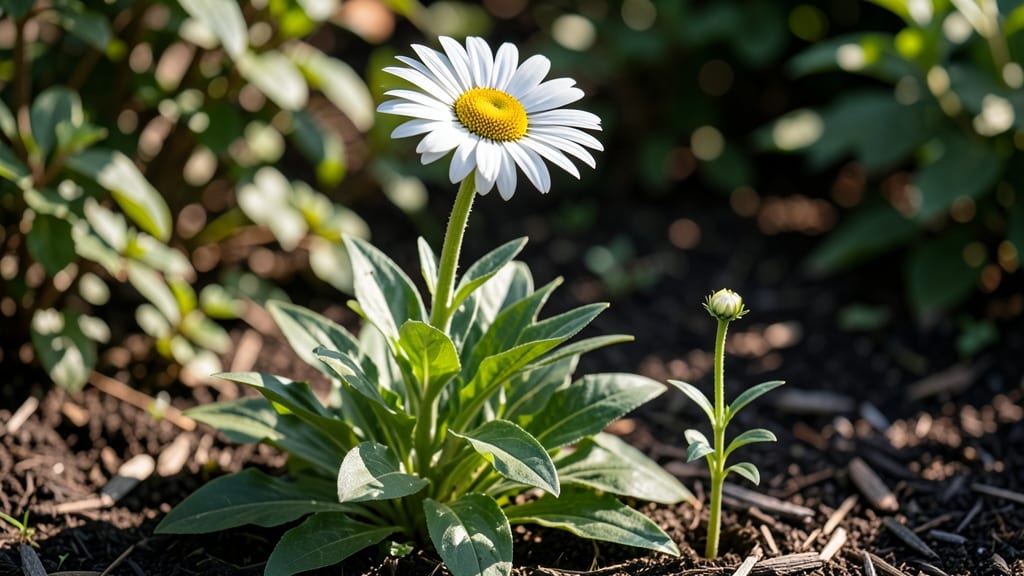
When you picture a classic cottage garden, those cheerful 🌼 Shasta daisies probably come to mind—but did you know how tall these daisies can grow varies dramatically from just 1 foot to over 4 feet?
Understanding exactly how tall these blooms grow is the first step to creating a stunning, well-balanced garden that thrives without overcrowding.
Most gardeners assume all Shasta daisies reach the same towering height, but the truth is far more interesting. Some varieties stay compact, perfect for borders or small spaces, while others grow tall enough to rival sunflowers.
The key to getting the right size lies in choosing the right variety and giving them the ideal growing conditions.
If you're planning your spring planting schedule for USDA Zone 6a, now's the time to decide whether you want dwarf varieties for front-row charm or tall ones for dramatic backdrops.
I'll break down exactly how each type grows and what spacing you'll need to keep your garden looking its best.
Whether you're a beginner or a seasoned gardener, knowing these height secrets will help you create a showstopping display that blooms beautifully all season long. Let's dive into the exact measurements and tips you need to make your Shasta daisies shine.


Shasta daisy height ranges by variety: from compact to giant bloomers
Shasta daisies (Leucanthemum × superbum) are famous for their showy, paper-white petals and sturdy stems, but their mature height can vary dramatically depending on the variety.
If you're planning your garden layout, knowing these exact ranges will help you choose the perfect height and spacing for your space—whether you're aiming for a romantic cottage border or a bold statement in the back of a mixed border.
Most gardeners assume Shasta daisies are all tall and gangly, but the truth is far more exciting. Some varieties barely reach 18 inches tall, while others soar to 4 feet or more.
This variety in height means you can mix them with low-growing perennials, shrubs, or even small trees to create layered, textured gardens that bloom from early summer to fall.
Below, I’ve broken down the height ranges of 12+ popular Shasta daisy varieties, including dwarf types, standard sizes, and giant bloomers.
I’ve also included their typical bloom diameter and best uses in the garden to help you decide which varieties will work best for your design goals.
Proper spacing for Shasta daisies: how far apart to plant for maximum blooms
Shasta daisies need the right amount of space to thrive, and crowding them can lead to fewer blooms and more disease. The spacing rules depend on the variety—dwarf types need less room, while giant varieties demand generous space to avoid competition.
For most standard varieties, aim for 18-24 inches apart in all directions to ensure strong stems and abundant flowers.
If you're planting along borders or pathways, you can reduce spacing slightly to 12-18 inches, but this may limit their full growth potential. For mass plantings in cottage gardens, use the 24-inch spacing rule to create a lush, continuous display.
Always measure from the base of one plant to the base of the next for even growth.
Overcrowding Shasta daisies can lead to weak stems, fewer blooms, and increased risk of powdery mildew due to poor air circulation. In tight spaces, consider dwarf varieties like 'Becky' or 'Alaska,' which stay under 2 feet tall and need only 12-18 inches of space.
| Variety Type | Mature Height | Spacing Needs | Best For |
|---|---|---|---|
| Dwarf (e.g., 'Becky') | 1-2 ft | 12-18 inches | Borders, containers, small gardens |
| Semi-Dwarf (e.g., 'Alaska') | 2-3 ft | 18-24 inches | Mixed borders, cottage gardens |
| Standard (e.g., 'Krauseana') | 3-4 ft | 24-30 inches | Mass plantings, back of borders |
| Giant (e.g., 'Giant' series) | 4-5 ft | 30-36 inches | Specimen planting, large gardens |
For mass plantings, calculate spacing by dividing your garden bed's width by the spacing requirement. For example, a 6-foot-wide bed planted with 24-inch spacing will fit 3 plants per row. Always leave 12 inches of clearance from walkways or other plants to prevent overcrowding as they mature.
If you're unsure about spacing, start with the maximum recommended distance—you can always thin out seedlings later. Overcrowded Shasta daisies may produce smaller blooms and weaker stems, so proper spacing is key to a healthy, long-lasting display. Mulch around plants to retain moisture and reduce competition from weeds.
For container growing, use at least a 12-inch diameter pot for dwarf varieties and 16-inch pots for standard types. Ensure pots have drainage holes to prevent root rot, and place them where they’ll receive full sun for at least 6 hours daily.