
Flowers
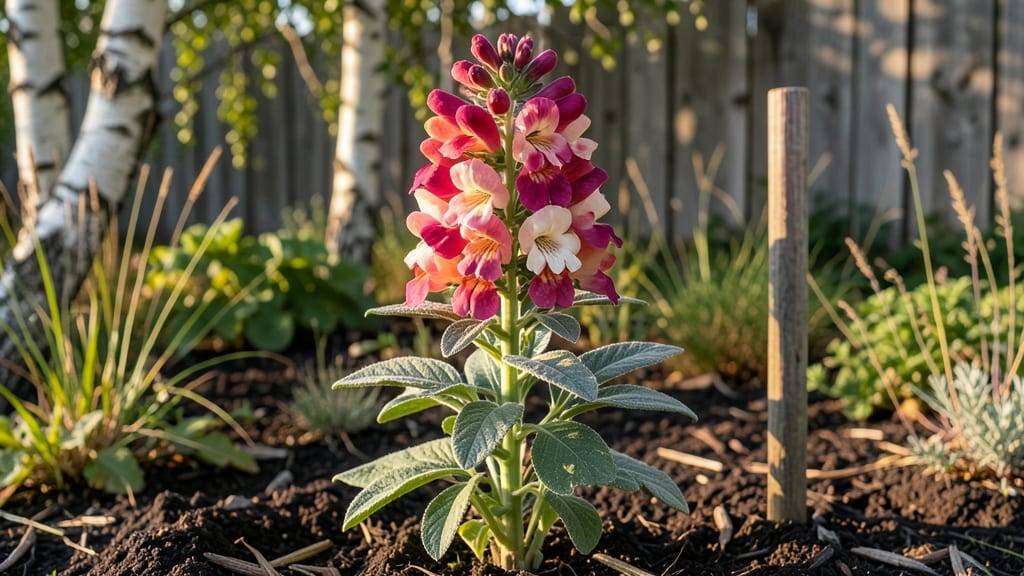
If you’ve ever wondered how tall do snapdragons grow, the answer might surprise you—these charming 🌸 flowers can range from dainty 8-inch dwarfs to towering 4-foot giants, depending on the variety and growing conditions.
Picture this: a window box bursting with tiny snapdragons that barely peek over the sill, or a backyard border dominated by bold, six-foot sentinels. The difference isn’t just about genetics—sunlight, soil, and spacing play starring roles in shaping their height.
Whether you’re planning a container garden or a grand flowerbed, knowing these secrets will help you choose the perfect snapdragons for your space.
For gardeners working with limited room, dwarf varieties like ‘Miniature’ stay neatly under 12 inches, while taller types like ‘Tall Garden’ reach 36-48 inches—ideal for adding drama to the back of beds.
But here’s the twist: even within the same variety, light conditions can stretch or compact growth, sometimes by as much as 12 inches.
Ready to unlock the full potential of your snapdragons? I’ll break down the height ranges by variety, share how to control growth naturally (no pruning required), and reveal the lighting tricks that’ll make your plants reach their ideal height—or stay perfectly petite. Let’s get growing!


Snapdragon height by variety: dwarf to giant growth charts
When planning your garden, knowing how tall snapdragons grow helps you choose the perfect variety for your space. These flowers range from compact window-box gems to towering garden backdrops, with mature heights varying by cultivar.
Whether you're designing a container arrangement or a border display, selecting the right snapdragon ensures your vision comes to life without overcrowding or underwhelming your design.
Most snapdragons fall into three height categories: dwarf (6–12 inches), standard (2–3 feet), and tall (3–4 feet). Dwarf varieties like 'Miniature' are ideal for window boxes or fairy gardens, while tall types such as 'Tall Garden' create dramatic vertical accents.
Even within these categories, growth can vary by sunlight exposure and soil fertility, so always check seed packets for specific expectations.
Here’s a quick reference for popular snapdragon varieties and their typical mature heights:
| Variety | Height Range | Best For |
|---|---|---|
| 'Miniature' Series | 6–12 inches | Window boxes, borders, fairy gardens |
| 'Rocket' Series | 18–24 inches | Containers, cottage gardens, mixed borders |
| 'Tall Garden' Series | 30–48 inches | Backdrop plants, tall borders, cut flowers |
| 'Black Prince' | 24–36 inches | Dramatic focal points, dark-themed gardens |
| 'Tom Thumb' | 8–12 inches | Edging, small pots, children’s gardens |
If you’re growing snapdragons in containers, opt for dwarf or semi-dwarf varieties to avoid overcrowding. A 5-gallon pot can comfortably hold 3–5 dwarf snapdragons, while tall varieties need at least a 10-gallon container to support their height and root systems.
Always use well-draining soil mixed with compost to encourage robust growth and prevent legginess.
For garden beds, space snapdragons 8–12 inches apart if planting dwarf varieties, and 12–18 inches apart for standard or tall types. Overcrowding leads to competition for nutrients and can stunt height or reduce flowering.
If you’re using snapdragons as a cut-flower garden, prioritize taller varieties like 'Tall Garden' for long stems and abundant blooms.
One common misconception is that all snapdragons reach their maximum height in a single season. In reality, first-year growth is often slower, with plants maturing to 50–70% of their final height.
By their second year, they’ll typically reach their full potential, especially if given consistent sunlight and balanced fertilization. This is why many gardeners plant snapdragons as annuals, even though they’re technically biennials.
For urban gardeners with limited space, consider bushier varieties like 'Matrix' or 'Colorado Shades,' which stay compact but still produce abundant flowers. These are perfect for balcony gardens or patio pots and thrive with 4–6 hours of sunlight daily.
Just be mindful of wind exposure, as taller snapdragons may need staking to prevent flopping in breezy locations.
Pro tip: If you’re unsure about height, start with a mix of dwarf and standard varieties in your garden. This creates visual interest while allowing you to experiment with different growing conditions. For example, place 'Miniature' snapdragons along pathways and 'Tall Garden' types behind them to build depth naturally.
🌸
How sunlight affects snapdragon height: light conditions that stunt or boost growth
Sunlight is the secret ingredient that determines whether your snapdragons will reach their full height potential or stay stunted. These flowers thrive with 6+ hours of direct sunlight daily, which encourages tall, sturdy stems and vibrant blooms.
Without enough light, they’ll grow leggy and weak, struggling to reach even half their expected height.
For tall varieties like 'Rocket' or 'Tall Garden,' full sun is non-negotiable. These giants can grow 36–48 inches when given optimal light, but they’ll barely reach 18–24 inches in partial shade. Even dwarf varieties (8–12 inches) benefit from bright light—they’ll stay compact and bushy rather than stretching awkwardly.
Here’s how different light conditions impact snapdragon growth, from full sun to deep shade, with practical tips to adjust your care:
| Light Condition | Expected Height | Growth Habit | Care Adjustments |
|---|---|---|---|
| Full Sun (6+ hours/day) | Max height (e.g., 36–48" for tall types) | Tall, sturdy stems; abundant blooms | Standard care; water deeply in morning |
| Partial Sun (3–6 hours/day) | 50–75% of max height | Shorter, bushier; fewer blooms | Use balanced fertilizer to compensate |
| Partial Shade (2–3 hours/day) | 25–50% of max height | Leggy, weak stems; sparse blooms | Prune to encourage bushiness; avoid overwatering |
| Deep Shade (<2 hours/day) | Stunted (may not bloom) | Elongated, weak; minimal flowers | Relocate to brighter spot or grow as annual |
If your snapdragons are lagging in height, check their light exposure first. A simple fix like moving them to a south-facing window or adding a reflective surface (like white gravel) can boost growth by up to 30%.
For container growers, rotate pots weekly to ensure even light exposure on all sides.
Remember, sunlight isn’t just about height—it also affects bloom color intensity and disease resistance. Snapdragons in full sun produce flowers with deeper hues and stronger stems, while those in shade may develop pale, weak blooms prone to fungal issues. Always prioritize light when planning your snapdragon garden!
🌞 For the tallest snapdragons, give them the sun they crave—your garden (and these dramatic flowers) will thank you.