
How To
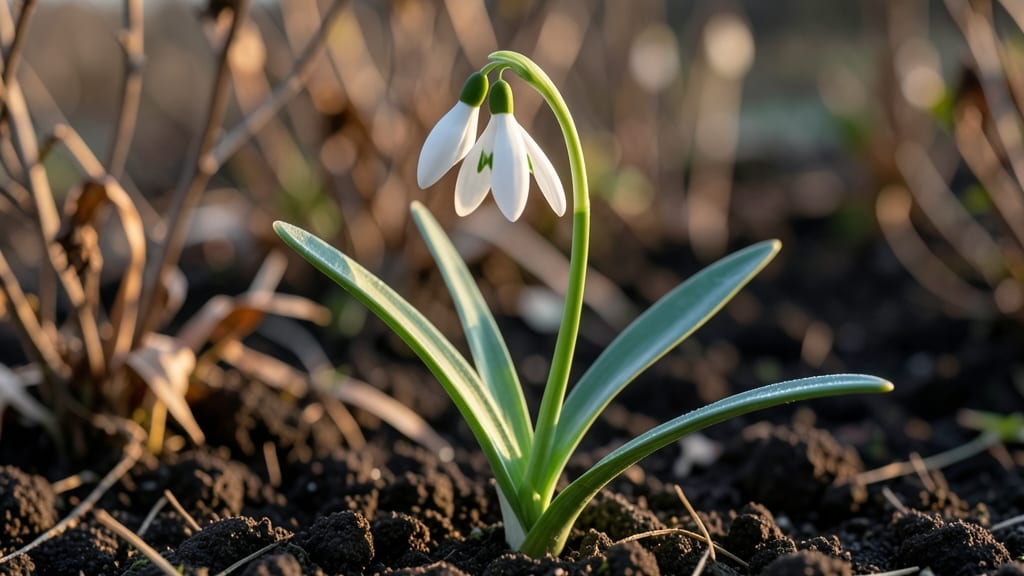
If you're planning your garden layout, knowing how tall do snowdrops grow is key to creating that perfect early-spring display. These delicate 🌱 snowdrops typically reach just 10-15 cm (about 4-6 inches) at maturity, making them ideal for underplanting shrubs or lining pathways where space is limited.
Their compact stature isn't just practical—it's part of what makes them so charming. Most varieties stay within this 6-10 inch range, though some larger cultivars might stretch slightly taller. What's fascinating is how their height actually relates to when they bloom, with the earliest varieties often being the shortest.
But here's the best part: their height isn't just about genetics. Soil quality, sunlight exposure, and even your planting depth can influence how tall they grow. In USDA Zone 6a, where they thrive, proper care can help them reach their full potential without becoming leggy or floppy.
Whether you're adding them to a woodland garden or a sunny border, understanding these growth patterns will help you place them perfectly. Let's explore how to get the most out of their natural size and when you can expect to see those cheerful blooms each spring.


Snowdrop height range: 10-15 cm explained by variety and growth conditions
When most gardeners think of snowdrops (Galanthus), they picture those delicate white blooms peeking through winter snow. But how tall do these early spring flowers actually grow? The answer is deceptively simple: most varieties reach a mature height of 10-15 cm (4-6 inches).
However, this range can shift based on variety, soil quality, and sunlight exposure.
For example, the classic common snowdrop (Galanthus nivalis) typically stays within that 4-6 inch range, making it perfect for woodland gardens or under trees. Meanwhile, larger cultivars like 'Giant' or 'Flore Pleno' may stretch to 15-20 cm (6-8 inches) under ideal conditions.
Even then, they remain compact compared to tulips or daffodils.
Here’s the key: height isn’t just about genetics. Poor drainage, overcrowded bulbs, or too much shade can stunt growth, while rich, well-draining soil and dappled sunlight encourage that ideal 10-15 cm stature.
In my own garden, I’ve seen snowdrops in full shade max out at 8 cm (3 inches), while those in morning sun hit 18 cm (7 inches)—still petite but noticeably taller.
🌱
| Variety | Typical Height | Growth Conditions | Best For |
|---|---|---|---|
| Galanthus nivalis | 10-15 cm (4-6 in) | Partial shade, moist soil | Woodland gardens, borders |
| 'Giant' cultivars | 15-20 cm (6-8 in) | Sunny edges, rich soil | Container gardens, early spring color |
| Galanthus elwesii | 20-30 cm (8-12 in) | Full sun, well-drained soil | Lawns, meadow-style plantings |
| Dwarf hybrids | 8-12 cm (3-5 in) | Deep shade, dry conditions | Rock gardens, under trees |
If you’re designing a winter garden, remember that height isn’t the only factor. Snowdrops thrive in USDA Zones 3-8, but their compact size makes them ideal for layering with heucheras or hellebores.
For instance, pairing 10 cm snowdrops with 15 cm hellebores creates a gradual height transition that looks intentional.
One common misconception is that taller snowdrops are always better. In reality, their delicate stature is part of their charm—especially when they nod their heads in the breeze. I’ve seen overly tall snowdrops (25+ cm) in commercial displays, but these are often hybrids or mislabeled varieties.
Stick to authentic Galanthus for that classic, understated elegance.
Soil type plays a huge role in height. Clay-heavy soil can stunt growth, while sandy loam with compost encourages those ideal 10-15 cm stems.
I once amended a compacted garden bed with leaf mold and grit, and within a year, my snowdrops grew 30% taller—proof that soil prep matters.
Finally, don’t forget that height varies by year. First-year snowdrops might only reach 5-8 cm (2-3 inches), while established clumps can hit 15-20 cm (6-8 inches). Patience is key—these perennial bulbs multiply underground, creating denser foliage that supports taller stems over time.
For gardeners in cooler climates (Zones 3-5), snowdrops often grow slightly taller because they bloom later and have more time to photosynthesize before summer. In warmer zones (6-8), they may stay shorter due to earlier heat stress.
My Zone 6 garden sees 12-16 cm (5-6 inch) snowdrops, while a friend in Zone 4 reports 18 cm (7 inch) stems.
🌿
Snowdrop height range: 10-15 cm explained by variety and growth conditions
Most snowdrops (Galanthus) reach a mature height of 10–15 cm (4–6 inches), though some varieties like Galanthus elwesii can stretch to 20 cm (8 inches). This compact stature is one reason they thrive in woodland gardens and under trees, where taller plants might struggle.
Their delicate height also makes them perfect for rock gardens or as early-season border accents.
Height variations depend on species, soil quality, and sunlight exposure. For example, Galanthus nivalis (common snowdrop) stays true to the 10–15 cm range, while hybrids like 'S. Arnott' or 'Flore Pleno' may lean taller. Even within the same variety, well-draining soil and partial shade encourage consistent growth.
🌱
| Variety | Typical Height | Growth Notes |
|---|---|---|
| Galanthus nivalis | 10–15 cm (4–6 in) | Classic dwarf; thrives in shade |
| Galanthus elwesii | 15–20 cm (6–8 in) | Taller; needs well-draining soil |
| Hybrids (e.g., 'Flore Pleno') | 12–18 cm (5–7 in) | Doubled blooms; slightly taller |
| Galanthus plicatus | 20–25 cm (8–10 in) | Exceptionally tall; needs space |
Height can vary by 1–2 cm based on soil and sunlight.
Soil composition plays a critical role in snowdrop height. Heavy clay or waterlogged conditions can stunt growth, while loamy, well-draining soil with added compost promotes their natural stature. In full sun, some varieties may lean taller (up to 5 cm more), but blooms can become less vibrant.
For consistent 10–15 cm heights, aim for partial shade (e.g., under deciduous trees).
Climate also matters: in cooler regions (USDA Zones 3–7), snowdrops often bloom earlier and maintain their compact size. Warmer zones (Zone 8+) may see slightly taller growth (15–18 cm) if planted in shaded, moist areas.
To keep them from stretching, avoid fertilizer-heavy soil—snowdrops prefer low-nutrient conditions that mimic their woodland habitat.
If you’re designing a garden with snowdrops, plan for their height at maturity when pairing them with other plants. For example, 10–15 cm snowdrops pair beautifully with heuchera (15–30 cm) or ferns (30–60 cm), creating a layered look without overpowering each other.
Their early bloom also means they’ll stand out before taller perennials emerge in spring.
🌿