
Plants
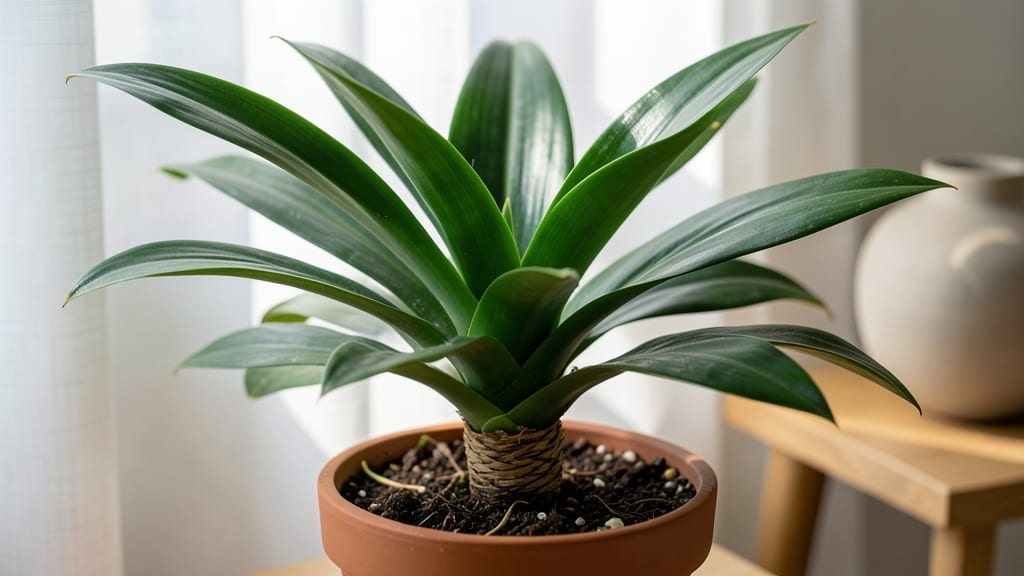
If you’re wondering how tall do Ti plants grow in your space, the answer depends entirely on how you care for them—but don’t worry, they’re easy to manage.
These tropical beauties can reach anywhere from 3 to 6 feet tall when happy, but with the right pruning and placement, you can keep them at a manageable size—even in small apartments.
What makes Ti Plants so versatile is their adaptability. In ideal conditions—like bright, indirect light and well-draining soil—they’ll grow faster, but they’re also forgiving if you’re new to gardening.
Whether you’re dreaming of a lush indoor statement piece or a compact patio shrub, understanding their growth habits is the first step to controlling their height without sacrificing their stunning foliage.
The key to managing their size lies in pruning and placement. A little strategic trimming can encourage bushier growth, while positioning them near east-facing windows (or under grow lights) keeps them from shooting up uncontrollably.
Even in USDA Zone 6, where spring planting is prime time, their growth can be guided with simple techniques.
Ready to learn how to keep your Ti Plant 🌿 at your desired height? I’ll walk you through everything—from recognizing the best time to prune to choosing the right pot for container gardening. Let’s get started!


Natural height ranges of ti plants by variety and growing conditions
Ti plants (Cordyline fruticosa) are stunning tropical shrubs known for their vibrant foliage and striking architectural form. Their mature height can vary significantly based on the variety, growing conditions, and whether they're cultivated indoors or outdoors.
Understanding these factors helps you plan for their growth and manage expectations for your space.
Outdoor ti plants typically reach 6 to 10 feet tall under ideal conditions, while indoor specimens often stay between 3 to 5 feet due to limited space and light. The key difference lies in how each variety responds to sunlight, soil quality, and pruning practices.
For example, the 'Purple Halo' variety tends to grow taller outdoors, reaching up to 8 feet, while 'Sunset' varieties often max out around 5 to 6 feet. Indoor varieties like 'Red Edge' rarely exceed 4 feet unless given exceptional care and space.
Sunlight is the most critical factor influencing height. Ti plants thrive in bright indirect light but can tolerate morning sun. In low-light conditions, they grow slower and leggier, often stretching toward light sources. Outdoor plants basking in full sun may grow 20-30% taller than those in partial shade.
Soil drainage also plays a role. Ti plants prefer well-draining, slightly acidic soil (pH 5.5-6.5). Poor drainage can stunt growth or cause root rot, limiting their potential height. Amending garden soil with compost or using a peat-based potting mix for containers ensures optimal growth.
Climate matters too. Ti plants are hardy in USDA Zones 9-11 and can survive brief dips to 25°F with protection. In colder zones, they’re grown as container plants and brought indoors during winter, which naturally limits their height growth during dormant periods.
Here’s how different growing conditions affect height:
| Variety | Indoor Height | Outdoor Height | Key Care Notes |
|---|---|---|---|
| 'Purple Halo' | 3-4 ft | 6-8 ft | Needs bright light; prune annually |
| 'Sunset' | 2.5-4 ft | 5-6 ft | Tolerates partial shade; slow grower |
| 'Red Edge' | 2-3.5 ft | 4-5 ft | Compact; ideal for containers |
| 'Ti Plant Standard' | 3-5 ft | 7-10 ft | Fastest grower; prune for bushiness |
If you’re growing ti plants in containers, their height will naturally be limited by pot size. Choose pots that are at least 12 inches wide for dwarf varieties and 18+ inches for standard types.
Root-bound plants grow slower but can still reach 50-70% of their outdoor height with proper care.
To encourage controlled growth, monitor your ti plant’s response to its environment. If you notice rapid vertical growth with sparse foliage, it’s likely reaching for light. Adjust its placement or supplement with a grow light to promote bushier, more compact growth.
Regular pruning also helps manage height. Trimming back leggy stems by 1/3 of their length encourages branching and denser foliage. This technique is especially useful for indoor plants where space is limited.
🌿
Pruning techniques to control ti plant height and encourage bushiness
If your ti plant is shooting up like a skyscraper, don’t panic—pruning is your secret weapon. With the right techniques, you can control height, encourage a fuller shape, and even propagate new plants.
The key is timing, tools, and a little patience. Let’s break down how to keep your ti plant at your desired height while making it look lush and healthy.
First, understand that ti plants thrive with pruning. Unlike some plants that resent being trimmed, these beauties respond beautifully to a good haircut. The best time to prune is in spring or early summer, just as new growth begins.
This gives your plant time to recover and fill out before winter dormancy. Avoid heavy pruning in fall or winter, as the plant needs energy to store for the colder months.
Before you grab your shears, gather the right tools. You’ll need sharp pruning shears or clean scissors for clean cuts, a rubbing alcohol wipe to sterilize tools (prevents disease), and a small pot with well-draining soil if you plan to propagate cuttings.
Optional but helpful: rooting hormone to boost success rates for new plants.
Step-by-Step Pruning Guide
- Step 1: Identify the Goal Decide whether you want to reduce height, encourage bushier growth, or propagate new plants. For height control, focus on cutting back the topmost stems.
- Step 2: Make Clean Cuts Use sterilized shears to cut just above a leaf node (where leaves grow). Angle cuts slightly downward to prevent water pooling.
- Step 3: Prune for Shape Remove overly long stems or leggy growth to promote a balanced shape. Aim for a natural, open canopy.
- Step 4: Propagate Cuttings (Optional) Dip cuttings in rooting hormone and plant in moist soil. Keep humidity high with a plastic bag until roots form (4-6 weeks).
- Step 5: Fertilize After Pruning Feed with a balanced fertilizer (10-10-10) to support new growth. Water lightly to avoid stress.
For ti plants growing indoors, pruning is even more critical. Indoor plants often stretch toward light, becoming tall and leggy. To fix this, prune the top 2-3 inches of the tallest stems.
This signals the plant to branch out and grow fuller. Rotate your plant regularly to ensure even light exposure, which also encourages balanced growth.
Outdoor ti plants may need more aggressive pruning if they’re in a warm climate with plenty of sunlight. In these conditions, they can grow 6 feet tall or more quickly. To keep them manageable, prune back by 1/3 of their height in early spring.
This not only controls size but also rejuvenates the plant, making it more resistant to pests and diseases.
Remember, ti plants are forgiving. Even if you prune too much, they’ll bounce back with proper care. The key is consistency—prune regularly to maintain your desired height and shape.
With practice, you’ll have a ti plant that’s the perfect size for your space, whether it’s a small shelf or a garden centerpiece.