
How To
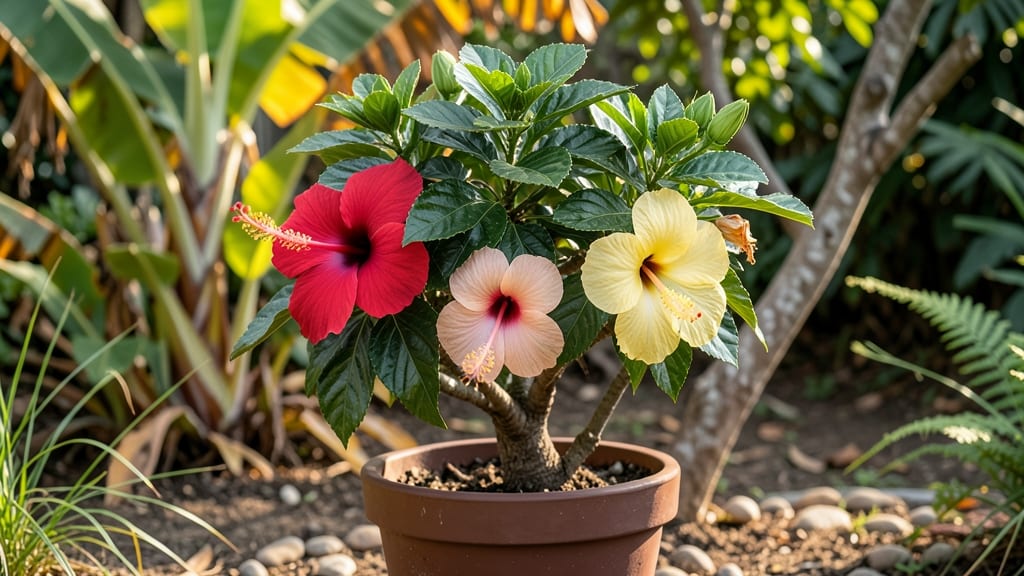
Wondering how tall do tropical hibiscus grow before you commit to planting? These stunning 🌺 beauties can reach anywhere from 6 to 15 feet in ideal conditions, but their size depends on more than just genetics—it’s all about variety, care, and a little strategic pruning.
If you’re working with limited space, don’t worry—some dwarf varieties stay under 3 feet, making them perfect for containers or small gardens.
Whether you’re dreaming of a towering tropical statement piece or a compact patio centerpiece, understanding their growth habits is the key to getting the look you want without the space struggles.
In this guide, I’ll break down the height ranges of the most popular tropical hibiscus varieties, share pro tips for controlling their size, and even suggest the best compact picks for small spaces.
You’ll learn exactly how to keep your hibiscus at your desired height—whether that means encouraging bushier growth or keeping it in check with simple pruning techniques.
Ready to transform your garden—or balcony—into a vibrant hibiscus haven? Let’s dive into the details so you can enjoy those show-stopping blooms without the guesswork.


Tropical hibiscus height by variety: from dwarf to towering giants
Tropical hibiscus (Hibiscus rosa-sinensis) are stunning tropical shrubs known for their vibrant blooms, but their mature height varies dramatically depending on the variety. Standard types can reach 8–15 feet tall, while dwarf cultivars stay under 3 feet.
Understanding these differences helps you choose the perfect hibiscus for your space—whether you’re working with a balcony or a sprawling backyard.
Most tropical hibiscus grow 6–10 feet in their first 3–5 years, with growth slowing as they mature. However, some varieties like ‘Lady Palm’ or ‘Pink Giant’ can tower over 12 feet without pruning.
On the other end, compact varieties like ‘Mini Max’ or ‘Dwarf Red’ stay under 3 feet, making them ideal for containers or small gardens.
Your climate also plays a role. In USDA Zones 10–12, hibiscus grow year-round and reach their full height faster. In cooler zones, they’re often grown as houseplants or brought indoors in winter, where growth slows significantly.
Even in optimal conditions, hibiscus growth rates depend on soil quality, sunlight, and watering consistency.
Here’s a quick breakdown of how hibiscus heights compare to everyday objects: A 6-foot hibiscus is roughly the height of a standard door, while a 10-foot variety can reach the ceiling of a single-story home. Dwarf varieties, however, stay around the height of a child’s reach—perfect for patios or windowsills.
| Variety | Mature Height | Growth Rate | Best For |
|---|---|---|---|
| Standard (e.g., ‘Lady Palm’) | 10–15 ft | Fast (3–5 ft/year) | Large gardens, privacy screens |
| Semi-Dwarf (e.g., ‘Dwarf Red’) | 3–5 ft | Moderate (1–2 ft/year) | Containers, small yards |
| Dwarf (e.g., ‘Mini Max’) | 2–3 ft | Slow (6–12 in/year) | Balconies, patios, indoors |
| Trailing (e.g., ‘Hawaiian Sunset’) | 3–6 ft (spreading) | Moderate (1–3 ft/year) | Hanging baskets, trellises |
If you’re growing hibiscus in containers, expect slightly slower growth due to root restrictions. A 5-gallon pot is ideal for dwarf varieties, while standard hibiscus need 15+ gallons to reach their full height. Container-grown hibiscus also benefit from regular pruning to encourage bushier growth and prevent legginess.
For gardeners in cooler climates, hibiscus grown as houseplants rarely exceed 4–6 feet unless pruned aggressively. In these cases, focus on dwarf or trailing varieties to maximize blooms without sacrificing space. Even indoors, hibiscus thrive with 6+ hours of sunlight and consistent moisture.
One common misconception is that all hibiscus grow tall by nature. In reality, many varieties—like ‘Pink Fantasia’ or ‘Lime Green’—stay compact if pruned regularly. The key is choosing the right variety for your space and training it early to maintain your desired height.
Pro tip: If you love the look of tall hibiscus but lack space, consider espalier training. This technique involves pruning and tying stems to a trellis or wall, allowing you to grow a 10-foot hibiscus vertically in a space as small as 2 feet wide.
It’s a game-changer for urban gardeners!
🌺
Tropical hibiscus height by variety: from dwarf to towering giants
Tropical hibiscus (Hibiscus rosa-sinensis) are stunning additions to any garden, but their height varies dramatically depending on the variety. Standard types can reach 10–15 feet tall, while dwarf cultivars stay under 3 feet.
Knowing these differences helps you choose the perfect hibiscus for your space—whether a balcony, patio, or backyard.
Most tropical hibiscus grow 6–10 feet tall when mature, but their growth rate depends on climate, pruning, and care. In ideal conditions, they can grow 2–4 feet per year during their first few years.
For example, a 3-year-old hibiscus might already be 6 feet tall if planted in full sun and well-drained soil.
| Variety | Mature Height | Notes |
|---|---|---|
| Dwarf Hibiscus (e.g., 'Lil' Kim') | 3–5 ft | Perfect for containers; blooms abundantly. |
| Semi-Dwarf (e.g., 'Lady Palm') | 5–8 ft | Ideal for small gardens; prune to maintain shape. |
| Standard (e.g., 'Pink Giant') | 8–15 ft | Best for large landscapes; may need support. |
| Trailing (e.g., 'Hawaiian Sunset') | 6–10 ft (spreading) | Great for trellises or hanging baskets. |
If you're growing tropical hibiscus in USDA Zones 10–12, they thrive year-round outdoors. In cooler zones, treat them as houseplants or bring them indoors before frost. Even indoors, hibiscus can grow 5–8 feet tall if given enough light and space, though their growth slows compared to outdoor plants.
For container gardening, choose dwarf or semi-dwarf varieties. A 5-gallon pot works well for dwarf hibiscus, while standard types need 15–25 gallons to accommodate their root systems. Always use pots with drainage holes to prevent root rot—a common issue with overwatered hibiscus.
Pruning plays a key role in controlling height. Regular pruning in late winter or early spring encourages bushier growth and prevents leggy stems. For example, cutting back one-third of the plant annually can keep a standard hibiscus at 6–8 feet instead of letting it reach its full 15-foot potential.
Whether you're aiming for a compact patio plant or a towering backyard centerpiece, selecting the right variety and care routine ensures your tropical hibiscus thrives—no matter how much space you have to work with. 🌺