
How To
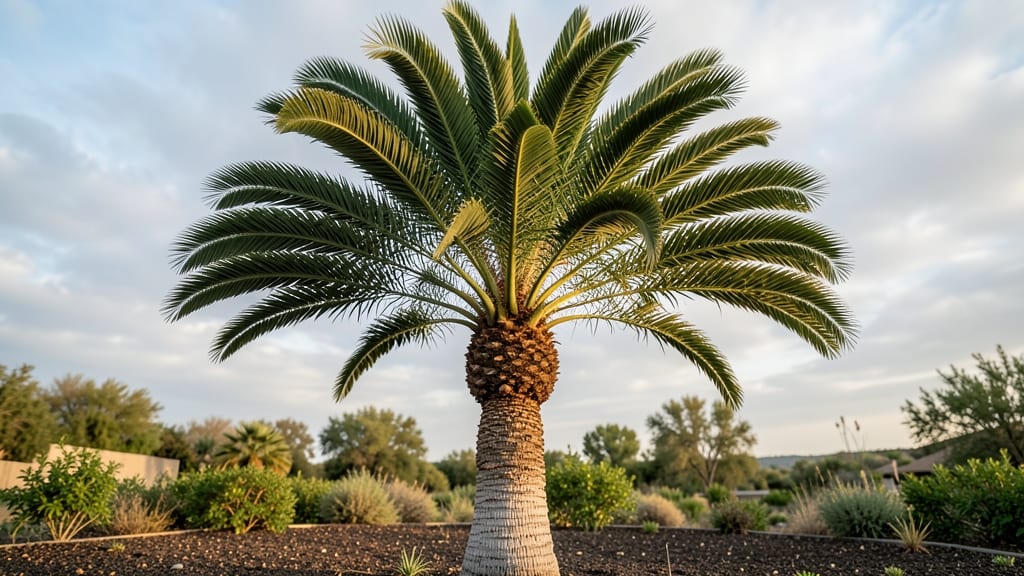
If you're wondering how tall does a Mexican Fan Palm grow, you're about to discover why this stunning 🌴 plant could transform your landscape—if you plan for its impressive height.
In ideal conditions (USDA zones 9-11), these palms can soar to 60 feet or more, making them a dramatic focal point for tropical-style gardens.
But here's the catch: their growth rate varies wildly based on sunlight, soil quality, and care. While young palms grow just 1-2 feet per year, mature specimens can shoot up 3-5 feet annually when given the right conditions.
That means your 3-foot sapling today could be a towering shade provider in just a decade.
Whether you're planning a backyard retreat or a commercial landscape, understanding these growth patterns is key to giving your palm the space it needs to thrive. I'll walk you through exactly what affects their height—from sunlight needs to soil secrets—and how to maximize their potential without running into space problems.
Ready to turn your sunny corner into a 🌴 paradise? Let's break down everything you need to know to grow a Mexican Fan Palm that reaches its full, majestic height—without any surprises along the way.


Mexican fan palm height: how tall it grows and key growth stages
If you’ve fallen in love with the Mexican Fan Palm (Washingtonia robusta) for its striking fronds and tropical vibe, you’re probably wondering: how tall does it grow? The answer depends on whether you’re planting it in your backyard oasis or a container garden.
On average, this palm reaches 30–60 feet tall at maturity, with a trunk diameter of 1–2 feet. In ideal conditions, it can even surpass 60 feet in its native habitat.
The growth rate of a Mexican Fan Palm is impressive but steady. In its first year, you’ll see it grow 2–3 feet tall, while established palms add 1–2 feet annually.
By year three, it typically stands 8–10 feet tall, making it a statement piece even in its youth. Understanding these stages helps you plan for its long-term space needs and avoid overcrowding in smaller yards.
| Growth Stage | Height Range | Time to Reach | Key Features |
|---|---|---|---|
| Juvenile | 2–10 ft | 1–3 years | Slow growth; thin trunk |
| Mature | 15–30 ft | 5–10 years | Rapid height gain; thick trunk |
| Old-Growth | 30–60+ ft | 15+ years | Tallest in ideal climates |
Your Mexican Fan Palm’s height isn’t just about time—it’s also about climate and care. In USDA Zones 9–11, where frost is rare, these palms thrive and reach their full potential.
However, in cooler microclimates (like Zone 8 with protection), growth slows, and mature height may cap at 20–25 feet. If you’re in a frost-prone area, consider planting it in a container for winter moves or group it near heat-retaining structures like stone walls or patios.
One common misconception is that Mexican Fan Palms grow as fast as bamboo or bamboo-like grasses, which can spread aggressively. In reality, their growth is steady and predictable, making them ideal for landscaping planning.
To visualize, imagine a two-story house (20–25 feet)—this palm will eventually tower over it, casting shade and adding drama to your outdoor space. For smaller yards, opt for dwarf varieties like Washingtonia filifera (California Fan Palm), which max out at 15–20 feet.
Another factor affecting height is soil quality. Well-draining, sandy loam soil with a slightly acidic pH (6.1–7.5) encourages faster growth. Amend heavy clay soil with compost or perlite to prevent root rot, which can stunt height.
If your soil is nutrient-poor, a slow-release fertilizer (like 6-6-6 NPK) applied in spring and summer will give your palm the boost it needs to reach its full potential.
Pruning plays a subtle but crucial role in managing height. While you can’t trim the trunk to reduce height, removing dead or brown fronds at the base keeps the palm looking healthy and vibrant. This practice also prevents pests and diseases from taking hold, which could otherwise slow growth.
For container-grown palms, prune regularly to maintain size and prevent the pot from becoming top-heavy, which can lead to instability as the palm grows taller.
If you’re planting near power lines or roofs, factor in the palm’s mature height to avoid future conflicts. A 30-foot palm planted too close to a 15-foot roof could cause damage during storms.
Always check local building codes for tree planting near structures. For urban gardens, consider dwarf varieties or container planting to control height while still enjoying the palm’s tropical appeal.
For those in cooler climates, like Zone 8, winter protection is key to maintaining growth speed. Use burlap wraps or frost cloth to shield the trunk from cold snaps, which can damage the cambium layer and stunt future growth.
In Zone 7 or colder, treat the Mexican Fan Palm as an annual or container plant, bringing it indoors during winter or overwintering it in a greenhouse.
In summary, your Mexican Fan Palm will grow tallest—30–60 feet—in warm, frost-free climates with proper care. With 1–2 feet of growth per year, it’s a long-term investment, but the payoff is a stunning tropical centerpiece that draws admiration from neighbors.
Plan ahead for its space needs, soil, and climate, and you’ll enjoy watching it grow into a majestic landmark in your garden.
Sunlight requirements for optimal mexican fan palm growth
The Mexican Fan Palm (Washingtonia robusta) thrives in full sun exposure, making it a stunning choice for bright, open spaces. To achieve its maximum height of 30–60 feet, this palm needs at least 6–8 hours of direct sunlight daily.
Without enough light, growth slows dramatically, and fronds may become sparse or yellowed.
In cooler climates (USDA Zones 9–11), morning sun paired with afternoon shade can prevent leaf scorch while still supporting healthy growth. If you’re in a shadier microclimate, like near tall buildings or dense trees, consider planting in a southeast-facing spot to stretch out sunlight exposure.
During summer months, ensure your palm stays hydrated—even with ample sun—by watering deeply 2–3 times per week.
In winter, reduce watering but keep the soil slightly moist to prevent stress. Mulching around the base helps retain moisture and regulates soil temperature, which is especially helpful in hot, dry climates.
If you’re growing a potted Mexican Fan Palm, place it near a south-facing window or under grow lights for 10+ hours daily. Without sufficient light, the palm’s growth rate drops by up to 50%, and fronds may develop chlorosis (yellowing between veins).
For urban gardens with limited space, consider dwarf varieties like ‘Little Palmetto’, though they still need full sun to reach their 10–15 foot mature height. Always monitor your palm’s frond color and growth rate—healthy fronds are green, arching, and uniformly sized.
Pro tip: If your palm’s growth stalls, check for blocked sunlight or overwatering, two common issues that slow height gain. Adjust care based on seasonal light changes to keep your palm reaching its full potential! 🌴