
How To
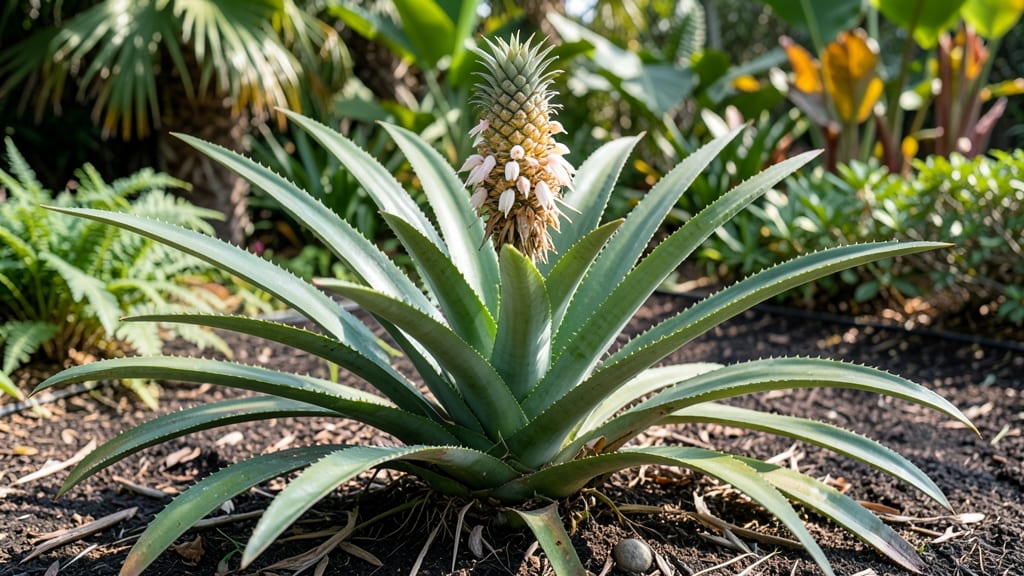
Pineapple tree height by variety: from dwarf to Giant
Pineapple plants (Ananas comosus) are often misunderstood as "trees," but they’re actually perennial herbs that grow in a rosette pattern with long, sword-like leaves. Their height varies dramatically by variety and growing conditions, from compact dwarf types to towering giants that need serious yard space.
Let’s break down the real-world heights you can expect, so you can plan your garden—or pot—perfectly.
The average mature height for most pineapple plants ranges between 3 to 6 feet tall, but some varieties stay as short as 2 feet while others can reach over 7 feet in ideal conditions.
Their height isn’t just about aesthetics—it directly affects fruit production, spacing needs, and even pruning strategies. For example, taller varieties may produce larger pineapples, but they also require sturdier support and more space to thrive.
Here’s the key insight: Pineapple plants grow vertically through their leaves, not like a traditional tree with a trunk. Their "height" is really the length of their leaf blades, which can arch or droop as they mature.
This means even "short" varieties can have sprawling foliage that takes up more horizontal space than you might expect. Always account for this when planning your garden layout!
If you’re visualizing these heights, think of the Queen variety as about the height of a waist-high stool, while the Singapore Red can reach the height of a basketball hoop.
The leaf length is another critical factor—longer leaves mean more spread and potential weight, which can cause the plant to flop or topple without support. For container growers, this means choosing a heavy pot or adding stakes early in the plant’s life.
One common misconception is that taller pineapple plants always produce larger fruit. While this is often true, fruit size is more influenced by genetics than height. For example, the Abacaxi variety might only reach 4–5 feet but still yield pineapples over 10 inches long.
Meanwhile, the Red Spanish, which towers at 5–6 feet, may produce slightly smaller fruit relative to its size. Always prioritize the variety’s reputation for fruit quality over height alone!
For urban gardeners or apartment dwellers, the Queen and Sugarloaf varieties are the best bets—they stay under 4 feet and thrive in large containers (15+ gallons
Pineapple tree height by variety: from dwarf to Giant
Pineapple plants (Ananas comosus) are often misunderstood as towering trees, but they’re actually short-stemmed perennials with long, spiky leaves forming a rosette around the fruit. The "tree" you picture is really a sturdy, upright plant that grows taller as it matures—but its height varies wildly by variety.
Some stay waist-high, while others reach head-clearing heights like a small palm tree.
For gardeners planning space, the mature height is the most critical factor. Most pineapple varieties top out between 2 to 6 feet, but dwarf varieties (like Queen) stay under 3 feet, making them perfect for containers.
Meanwhile, standard varieties (such as Sugarloaf) can stretch to 5–6 feet in ideal conditions. The key difference? Root system strength and leaf spread—not just stem height.
| Variety | Mature Height | Leaf Spread | Best For |
|---|---|---|---|
| Queen | 2–3 ft | 2–3 ft wide | Containers, small gardens |
| Sugarloaf | 4–5 ft | 3–4 ft wide | Backyard beds, tropical climates |
| Abacaxi | 5–6 ft | 4–5 ft wide | Large gardens, greenhouse |
| Red Spanish | 3–4 ft | 2.5–3.5 ft wide | Balconies, urban gardens |
The leaf spread is just as important as height—some varieties like Abacaxi develop wide, arching fronds that can double the plant’s footprint. This matters if you’re placing pineapples near walkways or patios.
For example, a 6-foot-tall Abacaxi with a 5-foot spread needs at least 8 feet of clearance in all directions to thrive without crowding other plants.
If you’re growing pineapples in containers, even the tallest varieties can be managed with pruning and root-bound conditions. Dwarf varieties like Queen thrive in 10–12 inch pots, while standard types need 18–24 inch pots to prevent stunted growth.
The trade-off? Smaller pots = slower height growth, but they’re easier to move indoors during frost.
One common misconception is that pineapple plants grow like bamboo—shooting up rapidly in a single season. In reality, they grow slowly (about 6–12 inches per year) and take 18–24 months to reach mature height.
This gradual growth makes them low-maintenance for height control, but it also means patience is key if you’re waiting for that first fruit.
For visual comparison, imagine a Queen pineapple sitting on a stool (2–3 feet tall), while a Sugarloaf reaches the height of a standard door frame (4–5 feet). If your space is limited, dwarf varieties are your best bet—but don’t underestimate their leaf sharpness!
Even small pineapples have serrated edges that can draw blood if handled carelessly. 🌱