
Plants
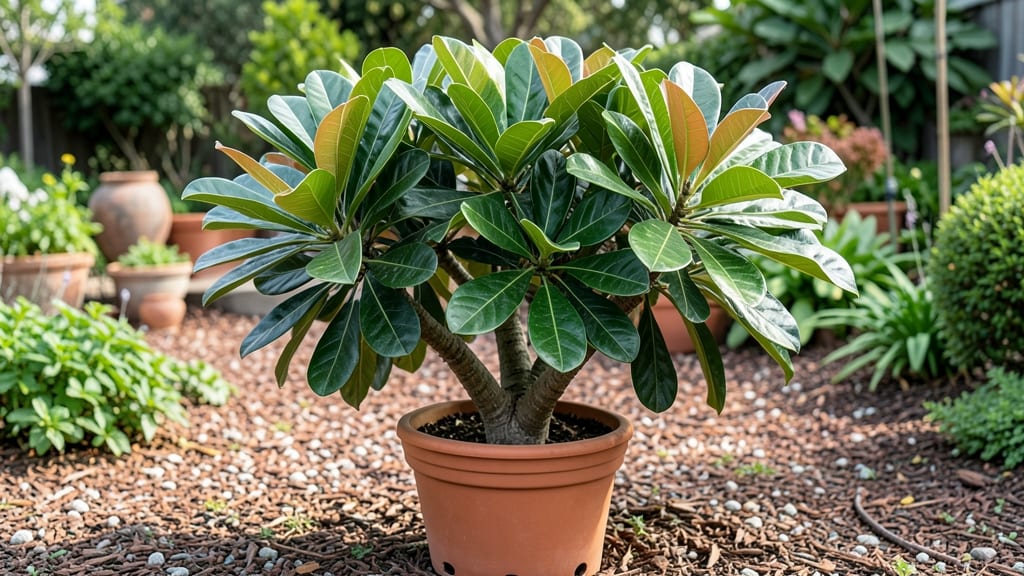
If you're wondering "how tall does a schefflera plant grow", the answer might surprise you—this tropical beauty can range from a modest 2 feet to a towering 12 feet, depending on where you grow it.
Whether you're dreaming of a lush indoor statement piece or planning an outdoor garden focal point, understanding your schefflera's potential height is key to giving it the perfect home.
Indoor scheffleras, like the popular Schefflera arboricola, typically stay compact, reaching 6-10 feet with proper care. But outdoors in warmer climates, varieties like Schefflera actinophylla can stretch toward the sky, sometimes exceeding 12 feet.
The difference comes down to light, space, and even pruning habits—so let’s break down what influences your plant’s growth trajectory.
Light exposure is the key to controlling height. Too much direct sun can make your schefflera grow leggy, while bright indirect light keeps it bushy and proportional. And if you're working with limited space?
Pruning isn’t just for shaping—it’s a game-changer for keeping your schefflera 🌿 at a manageable size, whether you want a tabletop accent or a floor-filling statement.
Ready to learn how to shape your schefflera’s growth? I’ll walk you through the best practices for indoor and outdoor varieties, so you can enjoy its lush foliage—no matter how tall (or short) you’d like it to be.


Schefflera plant height by variety: indoor growth expectations
Your schefflera's height depends heavily on the variety you're growing indoors. The most common types—Schefflera arboricola and Schefflera actinophylla—show dramatic differences in mature size, even under identical care. If you're working with limited space, understanding these varieties will help you choose the right plant for your home.
For example, Schefflera arboricola (also called "Schefflera") typically stays between 3 to 6 feet tall indoors, making it ideal for apartments or offices. Meanwhile, Schefflera actinophylla (Umbrella Tree) can reach 8 to 12 feet tall with proper care, rivaling small trees.
Both varieties grow at similar rates—about 1 to 2 feet per year—but their ultimate height depends on pruning habits and container size.
Here’s a quick comparison of how these varieties grow indoors over time:
| Variety | Indoor Mature Height | Growth Rate (Yearly) | Best For |
|---|---|---|---|
| Schefflera arboricola | 3–6 ft | 1–2 ft | Apartments, offices, small spaces |
| Schefflera actinophylla | 8–12 ft | 2–3 ft | Large rooms, conservatories, statement plants |
| Schefflera elegantissima | 2–4 ft | 6–12 in | Tabletop displays, shelves, compact setups |
If you're growing Schefflera arboricola, expect it to reach tabletop height (3 ft) within 2–3 years. Without pruning, it can grow taller, but its leaf structure and branching habit make it perfect for creating a bushy, full appearance in smaller pots.
For Schefflera actinophylla, plan for a ceiling-height plant if you want it to thrive—this variety loves vertical space and will stretch toward light sources.
Light exposure plays a critical role in height control. A Schefflera placed near a south-facing window may grow 20–30% taller than one in a north-facing room due to increased light. However, too much direct sunlight can scorch leaves, so bright indirect light is ideal for balanced growth.
Rotate your plant every 4–6 weeks to encourage even height development on all sides.
Pot size also influences height. A schefflera in a 12-inch pot will grow more slowly than one in a 24-inch container because the roots have less space to expand. If you want a compact schefflera, opt for a smaller pot and prune regularly to encourage bushiness.
For taller growth, use a larger container and provide consistent moisture to support upward expansion.
Pruning is your best tool for managing height. Trim back overly long stems in early spring to redirect energy into lateral growth. You can also pinch back new growth to encourage a fuller shape.
Just avoid heavy pruning in winter, as the plant enters a dormant phase and needs less intervention. With the right care, even a 6-foot schefflera can be kept at a manageable height for your space.
For those with small spaces, consider dwarf varieties like Schefflera elegantissima, which stays under 4 feet tall and thrives in low-light conditions. Its smaller leaves and slower growth make it a great choice for desks or shelves where vertical space is limited.
Whether you're aiming for a floor-filling statement plant or a compact desk companion, choosing the right variety and care routine will help you achieve your desired height.
Outdoor schefflera growth: how climate affects height and spread
When your schefflera plant escapes indoors and thrives outdoors, its growth can transform dramatically. In the right climate, these plants can grow 3-4 feet per year, reaching heights of 10-15 feet or more in ideal conditions.
However, outdoor growth depends heavily on your USDA hardiness zone, sunlight exposure, and seasonal changes.
In tropical zones (like Zones 10-11), schefflera plants grow aggressively, spreading 6-10 feet wide while reaching 15-20 feet tall with proper care. Meanwhile, in cooler temperate zones (Zones 7-9), growth slows significantly, often maxing out at 8-10 feet tall unless protected from frost.
| Climate Zone | Mature Height | Spread | Growth Rate | Key Considerations |
|---|---|---|---|---|
| Tropical (Zones 10-11) | 15-20 ft | 6-10 ft | 3-4 ft/year | Year-round growth, minimal dormancy |
| Temperate (Zones 7-9) | 8-12 ft | 4-8 ft | 2-3 ft/year | Slower growth in winter, needs winter protection |
| Cool (Zones 6-6a) | 5-8 ft | 3-5 ft | 1-2 ft/year | Best as container plant; frost-sensitive |
Sunlight plays a critical role in outdoor schefflera growth. While they tolerate partial shade, placing them in full sun (6+ hours/day) accelerates growth but may scorch leaves in hot climates. In low-light conditions, expect slower growth and a more compact shape—ideal for shaded gardens or urban courtyards.
Pruning is essential to manage outdoor schefflera height. Regular trimming in late spring or early summer encourages bushier growth and prevents leggy stems. For large specimens, structural pruning every 2-3 years keeps them manageable while maintaining their natural shape.
Watch for pests and diseases that thrive in outdoor conditions, like scale insects or root rot from overwatering. In humid climates, fungal issues may arise, so ensure proper air circulation around the plant. Mulching helps regulate soil moisture and temperature, further supporting healthy growth.
If you live in a cooler climate, consider overwintering your schefflera indoors or using protective covers during frost. With the right care, even temperate-zone scheffleras can thrive outdoors and reward you with lush foliage and impressive height over time. 🌿