
How To
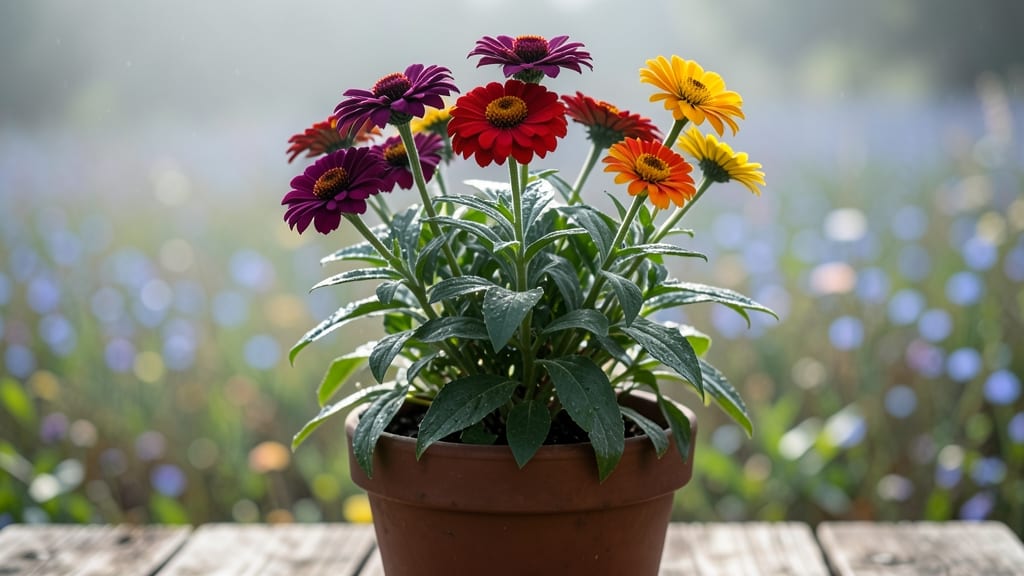
If you're planning your garden layout and wondering how tall zinnias grow, you're in the right place! These cheerful 🌼 flowers can range from tiny 6-inch dwarfs to towering 4-foot giants, making them incredibly versatile for any space.
For beginners and seasoned gardeners alike, knowing the height range helps you choose the perfect variety for your design. Whether you're creating a low border or a dramatic backdrop, zinnias adapt beautifully to different spaces when you understand their growth patterns.
In this guide, I'll break down the key height differences between dwarf, semi-dwarf, and standard varieties. You'll discover how sunlight, soil, and proper spacing influence their growth—so you can create a thriving garden that looks stunning all season long.
Ready to transform your outdoor space? Let's explore how to select and care for zinnias based on their mature heights, ensuring your garden blooms with confidence and style.


Zinnia height guide: tall vs. dwarf varieties compared
Zinnias are one of the most versatile flowers for gardeners, offering a stunning range of heights that can transform your landscape design. From dwarf varieties perfect for containers to tall giants that create dramatic backdrops, understanding these height differences is key to planning your garden layout.
The average zinnia height spans from just 6 inches to over 4 feet, making them adaptable to almost any space.
When selecting zinnias, consider your garden's vertical space. Tall zinnias (3-4 feet) work beautifully as focal points or along fences, while short zinnias (6-12 inches) thrive in borders or window boxes. The height differences also affect spacing needs—crowding can lead to poor airflow and increased disease risk.
Let's explore the most popular height categories so you can choose the perfect zinnias for your garden vision.
| Variety Type | Height Range | Best For | Spacing Needs |
|---|---|---|---|
| Dwarf | 6-12 inches | Containers, borders, window boxes | 6-8 inches apart |
| Semi-Dwarf | 1-2 feet | Mid-height beds, cut flower gardens | 10-12 inches apart |
| Standard | 2-3 feet | Back of borders, cut flowers | 12-18 inches apart |
| Tall | 3-4 feet | Focal points, tall backdrops | 18-24 inches apart |
For dwarf zinnias, popular varieties like 'Thumbelina' and 'Crystal' reach just 6-12 inches, making them ideal for container gardening or edging pathways. These compact plants produce abundant blooms perfect for cut flower arrangements while staying manageable in small spaces.
Their short stature also means they require less staking, though they still benefit from occasional deadheading to encourage continuous flowering.
The semi-dwarf varieties, such as 'Profusion' and 'Magellan', strike a balance with heights of 1-2 feet. These are excellent choices for mid-height garden beds where you want a mix of texture and color without overwhelming other plants. Their moderate height makes them versatile for mixed borders or as fillers in larger flower arrangements.
When it comes to standard zinnias, varieties like 'Benary's Giant' and 'State Fair' can reach impressive heights of 2-3 feet. These are perfect for creating dramatic backdrops in your garden or as standout features in cut flower gardens. Their taller stature means they'll need more space between plants—aim for 12-18 inches apart to allow for proper airflow and reduce disease risk. In my experience, these varieties produce the largest blooms, making them a favorite for long-stemmed arrangements.
The tallest zinnia varieties, including 'Zahara' and 'Double Envy', can grow up to 4 feet tall, creating stunning vertical interest in any garden. These are best suited for large garden spaces or as focal points near fences and trellises.
For these varieties, staking or cages are almost always necessary to prevent the plants from toppling over. Their height also makes them excellent for screening plants or adding depth to flower beds when planted in groups.
One factor that influences zinnia height is the growing conditions you provide. While genetics determine the general height range, factors like sunlight exposure, soil quality, and watering consistency can affect how close your plants stay to their expected height.
For example, zinnias grown in partial shade may become leggy and taller than expected, while those in full sun with rich soil tend to grow more compact and bushy.
If you're working with limited space, consider pruning techniques to control height. Pinching back the tips of young plants can encourage bushier growth and prevent them from becoming too tall.
For container gardening, always choose dwarf varieties and use larger pots (at least 12 inches deep) to accommodate their root systems. In my urban garden, I've successfully grown 'Crystal' zinnias in 10-inch pots, where they reached their full 8-inch height without any issues.
For gardeners who love cut flowers, taller zinnias are often preferred for their long stems and abundant blooms. However, even dwarf varieties can provide stunning cut flowers if you harvest them regularly.
The key is to always cut stems at an angle just above a leaf node, which encourages the plant to branch out and produce more flowers. Whether you're growing zinnias for their height or their vibrant blo
Zinnia height guide: tall vs. dwarf varieties compared
Zinnias offer an incredible range of heights, from compact dwarf varieties perfect for containers to towering giants that create dramatic backdrops. Understanding these differences helps you plan your garden layout efficiently.
Most zinnias fall between 1 to 4 feet at maturity, but some specialized cultivars can reach nearly 5 feet or stay as short as 6 inches. The variety you choose directly impacts your spacing needs and overall design.
For example, dwarf zinnias like 'Thumbelina' stay under a foot tall, making them ideal for window boxes and patio gardens. Meanwhile, standard varieties like 'Benary's Giant' can exceed four feet, perfect for tall borders or cut flower arrangements.
Even within these categories, individual plants may vary by 6-12 inches depending on growing conditions and care practices.
| Variety Type | Height Range | Best For | Spacing Needs |
|---|---|---|---|
| Dwarf | 6-12 inches | Containers, borders, window boxes | 6-8 inches apart |
| Semi-Dwarf | 1-2 feet | Mid-height beds, mixed borders | 10-12 inches apart |
| Standard | 2-4 feet | Backdrop plants, cut flowers | 12-18 inches apart |
| Giant | 3-5 feet | Tall borders, focal points | 18-24 inches apart |
The height of your zinnias isn't just about the variety—it's also influenced by your growing conditions. Plants in full sun with well-draining soil tend to grow taller and more robust. Conversely, shady conditions or poor soil can stunt growth by up to 30%.
If you're growing zinnias in containers, choose dwarf varieties or expect slightly shorter growth due to root restrictions.
Another key factor is pruning practices. Regular deadheading encourages bushier growth with more blooms but may slightly reduce overall height. For taller varieties, consider staking or using cages to support their stems without sacrificing bloom production.
This is especially important for giant zinnias, which can become top-heavy without support.
When planning your garden layout, remember that zinnias need space for airflow to prevent fungal diseases. The spacing recommendations in the table above apply to average growing conditions. In windy areas, you may need to increase spacing by 20-30% to prevent plants from leaning or breaking.
For urban gardens with limited space, consider vertical gardening techniques like trellises or hanging baskets for taller varieties.
If you're new to growing zinnias, start with mixed-height varieties to create visual interest. For example, plant dwarf zinnias in the front row, semi-dwarf types in the middle, and tall varieties in the back.
This layered approach not only maximizes your garden's potential but also creates a stunning, professional-looking display with minimal effort.