
How To
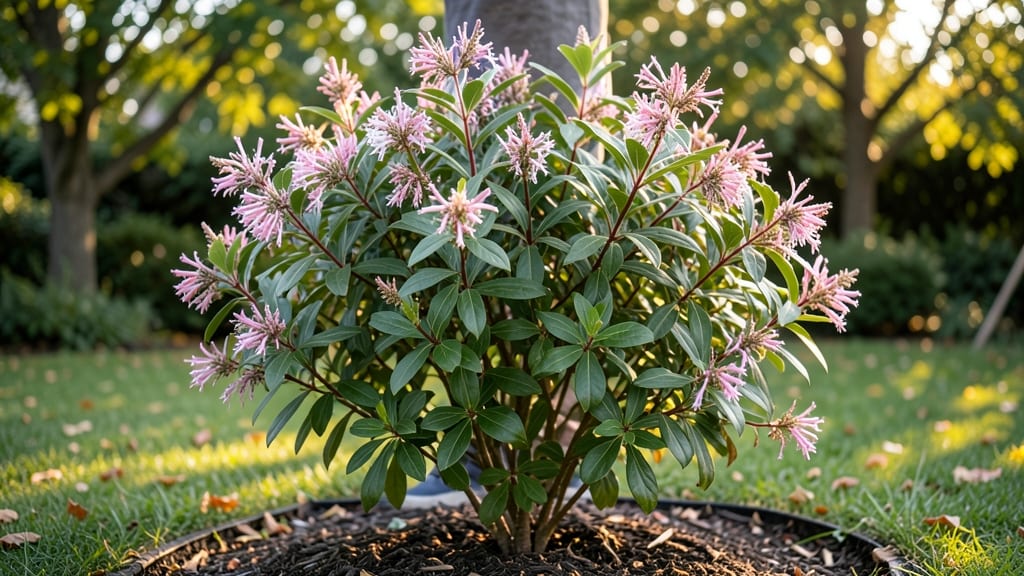
Wondering how tall does abelia grow in your backyard? This elegant shrub 🌿 can reach anywhere from 3 to 10 feet at maturity, depending on the variety and care you provide. If you're planning your garden layout, knowing these height ranges helps you avoid overcrowding or underutilized space.
Abelia x grandiflora, one of the most popular types, typically grows between 6 to 10 feet tall, while dwarf varieties like Abelia chinensis stay shorter at just 2 to 4 feet. The key to managing its height lies in proper pruning—something I’ll show you how to do effortlessly.
Sunlight, soil quality, and even your local climate play a role in how tall your abelia will grow. Too much shade can stunt its growth, while rich, well-draining soil encourages it to reach its full potential.
Let’s explore how to keep your abelia at the perfect height for your garden’s design.
By the end of this guide, you’ll know exactly how to control your abelia’s growth naturally—so you can enjoy its beautiful blooms without it taking over your outdoor space. Ready to get started?


Natural Abelia growth height: what to expect by variety
Abelia shrubs are prized for their glossy foliage and long-lasting blooms, but their mature height can vary dramatically depending on the variety and growing conditions. Without pruning, most Abelia species will reach 6 to 10 feet tall, though some dwarf varieties stay under 4 feet.
Understanding these differences helps you plan your garden layout and pruning strategy.
For example, the popular Abelia x grandiflora typically grows 6 to 8 feet tall at maturity, making it ideal for hedges or privacy screens.
Meanwhile, Abelia chinensis can stretch up to 10 feet in warm climates, while dwarf varieties like 'Kaleidoscope Compact' max out at just 3 to 4 feet. Climate also plays a role—cooler regions may see slower growth, while southern gardens often encourage taller, bushier plants.
Here’s how sunlight exposure and soil quality influence height: Abelia thrives in partial sun (4-6 hours daily), but too much shade can stunt growth, while full sun may accelerate vertical expansion.
Well-draining, slightly acidic soil (pH 5.0–6.5) ensures healthy root development, which supports optimal height. Poor soil or waterlogged conditions, however, can lead to leggy, overgrown shrubs.
| Variety | Mature Height | Growth Rate | Climate Notes |
|---|---|---|---|
| Abelia x grandiflora | 6–8 ft | Moderate (1–2 ft/year) | Cold-hardy (Zones 6–9) |
| Abelia chinensis | 8–10 ft | Fast (2–3 ft/year) | Tropical/subtropical (Zones 7–10) |
| 'Kaleidoscope Compact' | 3–4 ft | Slow (6–12 in/year) | Dwarf variety (Zones 6–9) |
| 'Francis Mason' | 4–6 ft | Moderate (1–2 ft/year) | Cold-hardy (Zones 5–9) |
| 'Sunset' | 5–7 ft | Moderate (1–2 ft/year) | Heat-tolerant (Zones 6–10) |
*Height varies with pruning and growing conditions.
If you’re planting Abelia in a smaller garden, prioritize dwarf varieties like 'Kaleidoscope Compact' or 'Francis Mason,' which stay under 6 feet. For larger landscapes, Abelia chinensis or standard Abelia x grandiflora can create dramatic focal points.
Always check your USDA hardiness zone—cold climates (Zones 5–6) may slow growth, while warmer zones (Zones 8–10) encourage faster, taller growth.
One common misconception is that all Abelia varieties grow tall. In reality, pruning habits and planting location have a bigger impact on height than the variety itself.
For instance, a standard Abelia x grandiflora left unpruned in full sun could reach 10 feet, while the same plant pruned annually might stay under 6 feet. This flexibility makes Abelia a favorite for both formal and informal gardens.
For first-year growth, expect Abelia to reach 1 to 2 feet tall, with rapid increases in years 2–3. By year 5, most varieties will hit their mature height range.
To encourage bushier, shorter growth, prune in late winter or early spring before new shoots emerge. Avoid heavy pruning in fall, as this can stimulate tender new growth that won’t survive winter.
Pro tip: If your Abelia starts stretching toward the sky, it’s likely light-deprived. Move it to a sunnier spot or prune the tallest stems to redirect energy into lateral branches. This simple adjustment can reduce height by 20–30% within a growing season.
Remember, Abelia’s height isn’t just about aesthetics—it also affects bloom production. Taller, leggy plants may produce fewer flowers because energy goes into vertical growth instead of flowering stems. By controlling height through pruning, you’ll enjoy more blooms and denser foliage year after year.
🌿
Step-by-step pruning guide to control Abelia height
Pruning your Abelia isn’t just about keeping it from becoming a towering giant—it’s also about encouraging bushier growth and more vibrant blooms. When done correctly, pruning can reduce height by 30-50% while maintaining a healthy shape.
The key is timing and technique, so let’s dive into the steps that will keep your Abelia at your desired height.
Start by identifying the right time to prune. Late winter or early spring, just before new growth begins, is ideal. This timing helps you shape the plant while avoiding the risk of winter dieback.
Avoid pruning in fall, as this can stimulate new growth that won’t harden off before cold weather sets in.
Here’s your step-by-step guide to pruning for height control, complete with tools and techniques to ensure success:
Use sharp, clean pruners or loppers for thicker stems. Disinfect tools with rubbing alcohol to prevent disease spread.
Cut out any dead branches or those growing inward. This improves airflow and reduces disease risk.
To reduce height, cut back up to 1/3 of the plant’s height. Focus on the tallest stems first, making cuts just above a leaf node or outward-facing bud.
Remove crossing or rubbing branches to prevent damage. This also allows light to penetrate the inner foliage.
Use your pruners to refine the plant’s shape. Aim for a balanced, rounded form to encourage even growth.
Remove all pruned debris from the area to prevent pests or diseases from taking hold.
For dwarf varieties like Abelia ‘Kaleidoscope’, you can prune more aggressively to maintain a compact shape. On the other hand, taller varieties like Abelia ‘Francis Mason’ benefit from lighter pruning to preserve their natural height while still encouraging bushiness.
After pruning, your Abelia will likely rebound with vigorous new growth. To support this, apply a balanced fertilizer (like 10-10-10) in early spring. This helps the plant recover and produces more blooms for the next season.
With consistent pruning, your Abelia will stay at a manageable height while still thriving as a low-maintenance focal point in your garden. Just remember: patience and precision are key! 🌿