
How To
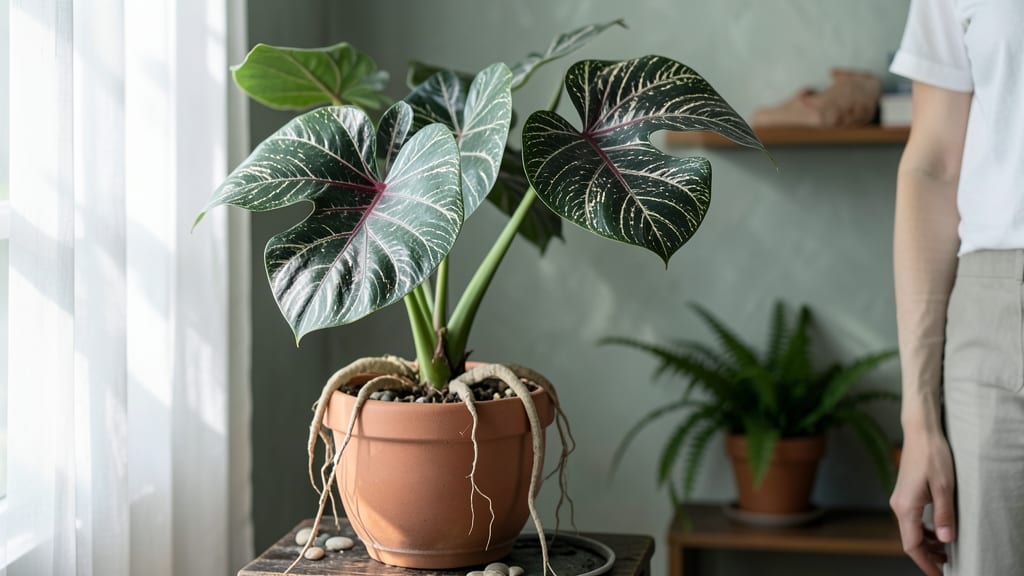
If you've ever wondered how tall does alocasia grow, you're not alone—this tropical stunner can be both a dream and a dilemma for plant lovers.
Some varieties stay manageable at 2 feet, while others shoot up to 6 feet or more, turning your cozy corner into a jungle gym. The good news?
With the right care, you can steer your Alocasia 🌿 toward your ideal height—whether that's a compact statement piece or a towering centerpiece.
Let's cut through the guesswork. Alocasia's height depends on its species, growing conditions, and even your pot size. A Polly might stay around 2-3 feet, while a Zebrina could reach 4-5 feet indoors.
Outdoor plants in zone 6a often grow taller, but indoor varieties can be controlled with smart pruning and lighting tricks. I'll show you exactly how to keep your plant at the perfect height for your space—no surprises.
Why does this matter? Because an Alocasia that's too tall can overwhelm small rooms, while one that's too short might feel underwhelming. We'll cover the science behind growth—how light, soil, and water affect height—and give you a clear height comparison chart for the most popular varieties.
Whether you're a beginner or a seasoned plant parent, these insights will help you grow the Alocasia of your dreams.
Ready to transform your plant care game? By the end of this guide, you'll know not just how tall your Alocasia can grow, but how to shape its future. Let's get started—your perfect-sized tropical beauty awaits!


Alocasia height chart: exact growth ranges by most popular varieties
Alocasia plants are famous for their stunning, arrow-shaped leaves—but their height can vary wildly depending on the variety. Some stay small enough for a windowsill, while others become floor-to-ceiling giants.
Knowing the exact mature size of each type helps you choose the perfect plant for your space. Here’s the breakdown you need before buying.
Most Alocasia varieties grow between 1 to 4 feet tall, but some rare hybrids can reach 5+ feet indoors. The key difference lies in their growth habits: compact varieties like Alocasia Polly stay under 2 feet, while large-leaved types like Alocasia Regal Shield tower toward the ceiling.
Let’s compare the most popular types so you can pick the right fit.
Pro Tip: Measure your space first. A 4-foot Alocasia in a 7-foot room will feel dwarfed, while the same plant in a 9-foot room will dominate—sometimes too much! Use these measurements as your guide.
| Variety | Mature Height | Growth Rate | Space Needs |
|---|---|---|---|
| Alocasia Polly | 12–18 inches | Slow to moderate | Windowsill or small shelf |
| Alocasia Frydek | 2–3 feet | Moderate | Tabletop or floor corner |
| Alocasia Zebrina | 3–4 feet | Fast | Floor plant (needs height) |
| Alocasia Regal Shield | 4–5 feet | Very fast | Ceiling-height space |
| Alocasia 'Dragon Scale' | 2–3 feet | Moderate | Floor or tall shelf |
| Alocasia 'Black Stem' | 3–4 feet | Fast | Floor plant (dramatic) |
| Alocasia 'Mini Alocasia' | 1–2 feet | Slow | Desk or small shelf |
| Alocasia 'Giant Taro' | 5+ feet | Very fast | Large rooms or greenhouses |
Notice how Alocasia Polly stays under 2 feet—perfect for small apartments or offices—while Regal Shield needs ceiling clearance. If you’re unsure, start with a dwarf variety like Mini Alocasia to test your space before committing to a giant.
Height isn’t just about the leaves, though. Petiole length (the leaf stalk) adds extra height. For example, Alocasia Zebrina can have 2-foot petioles, making the plant appear taller than its 1.5-foot leaves. Always measure from the soil line to the top leaf tip for accuracy.
Outdoor Alocasias can grow even taller—some tropical varieties reach 6+ feet in ideal conditions. But indoors, their size depends on light, pot size, and care. We’ll cover how to control height in the next section—so you can keep your Alocasia from becoming a jungle monster.
🌿
How to control Alocasia height: pruning, light & pot size secrets
One of the biggest questions I hear from Alocasia growers is: How do I keep my plant from growing too tall? The answer lies in understanding three key factors: pruning techniques, light exposure, and pot size selection.
Let’s break down how each affects your plant’s height—and how you can use them to your advantage.
First, pruning isn’t just for shaping—it’s a growth regulator. If your Alocasia is shooting up too fast, trimming the top 2-3 inches of the stem encourages bushier growth. For varieties like Alocasia Polly, which naturally stay shorter, pruning can help maintain that compact form.
Just use sterilized scissors and cut just above a leaf node to promote new shoots.
Next, light conditions play a huge role. Alocasias thrive in bright, indirect light, but too much direct sun can stretch their stems, making them leggy. If your plant is growing tall and sparse, it’s likely reaching for light.
Move it to an east-facing window or add a sheer curtain to diffuse harsh afternoon rays. Remember: low light slows growth, but it also reduces height—so find that sweet spot.
Here’s a pro tip: Pot size matters more than you think. A pot that’s too large encourages rapid root and stem growth, while a slightly snug pot keeps the plant more compact.
For dwarf varieties like Alocasia 'Mini' or 'Dracunculus'**, use a pot just 1-2 inches larger than the root ball. If you’re growing a taller variety like Zebrina, opt for a deeper pot to support its height without toppling.