
How To
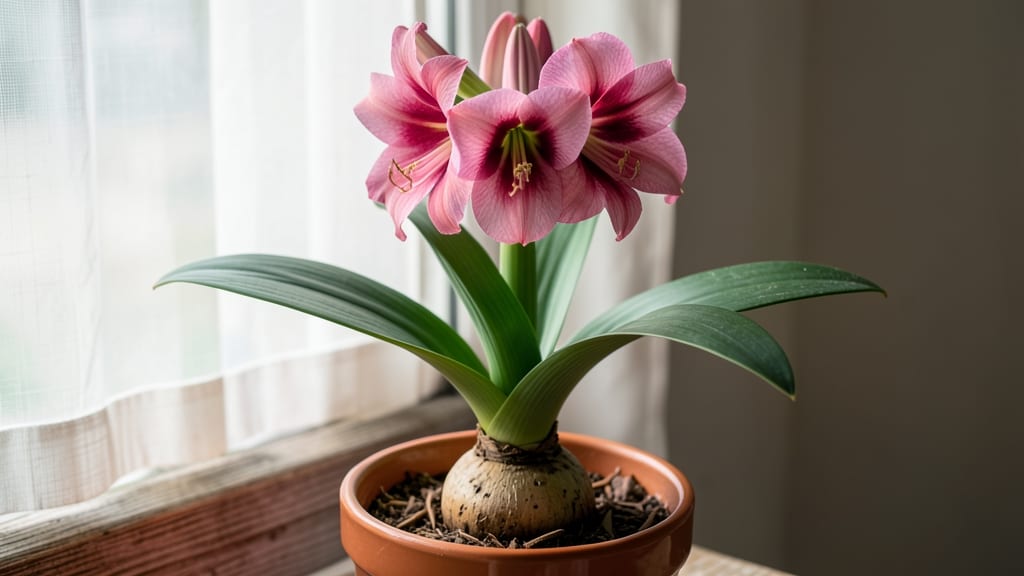
If you're dreaming of adding a stunning 🌸 amaryllis to your home but wondering how tall an amaryllis can grow, you're in the right place.
These dramatic bloomers can surprise even seasoned gardeners with their impressive height—often reaching 2 to 3 feet when mature, depending on the variety and care they receive.
What makes amaryllis growth so fascinating is how quickly they transform from a modest bulb into a towering floral statement. Some varieties, like the classic Hippeastrum hybrids, can shoot up 3 feet or taller under ideal conditions, while others stay more compact.
The key to unlocking their full potential lies in understanding their specific needs—from light exposure to soil quality—that directly impact how tall they'll grow.
Whether you're working with USDA Zone 6a conditions or a cozy indoor setup, knowing what to expect helps you plan your space and care routine.
I'll break down the exact height ranges by popular varieties, plus pro tips to encourage (or gently control) their growth so your amaryllis thrives without overwhelming your decor.
Ready to discover how these floral giants grow and what you can do to nurture them to their fullest potential? Let's dive into the details that'll help your amaryllis reach its maximum height—without any unexpected surprises.


Amaryllis height by variety: exact growth ranges you need to know
Amaryllis plants—specifically the Hippeastrum genus—are famous for their dramatic vertical growth. While most gardeners picture a 2-foot-tall showstopper, the reality varies wildly by variety. Understanding these differences helps you choose the perfect amaryllis for your space, whether it's a cozy indoor pot or a sunny garden bed.
The most common amaryllis hybrids (like 'Red Lion' or 'Paperwhite') typically reach 18 to 24 inches at maturity. However, some rare or tropical varieties can stretch up to 3 feet or more, especially when given ideal conditions.
Even within the same species, light exposure and soil nutrients can push heights beyond expectations.
Here’s the key: Hippeastrum amaryllis (often mislabeled as "true amaryllis") usually tops out at 12 to 18 inches, while Hippeastrum hybrids like 'Apple Blossom' or 'Limelight' often exceed 2 feet.
The tallest varieties, such as 'Black Pearl' or 'Pink Beauty', can hit 30+ inches with proper care.
If you’re growing amaryllis in containers, height can be stunted slightly due to root restriction. However, with proper support (like a bamboo stake or plant ring), even 2-foot varieties will reach their full potential.
For outdoor plantings, expect 10–20% more height thanks to unrestricted root spread and natural wind resistance.
One common misconception is that all amaryllis grow the same height. In reality, soil quality plays a huge role. Well-draining, nutrient-rich soil (like a mix of peat moss, perlite, and compost) encourages taller, healthier stems.
Poor soil? You’ll likely see shorter, weaker blooms—sometimes as little as 12 inches even in mature plants.
Light is another game-changer. Bright indirect light (like an east-facing window) promotes optimal height, while low light can halt growth entirely.
I once had a 'Pink Beauty' amaryllis in a north-facing room that barely reached 10 inches—until I moved it to a sunny porch, where it shot up to 2.5 feet in just 6 weeks.
For indoor gardeners with limited space, consider dwarf varieties like 'Mini Max' or 'Tiny Tim', which top out at 12–16 inches. These are perfect for small apartments or windowsill gardens.
Even then, pruning can help manage height—though I don’t recommend cutting blooms unless absolutely necessary, as it can reduce next year’s growth.
Pro tip: If you’re growing amaryllis outdoors in USDA Zone 8 or warmer
Amaryllis height by variety: exact growth ranges you need to know
When planning your amaryllis display, knowing the exact height range for each variety is crucial. Most Hippeastrum hybrids—the plants commonly called "amaryllis"—typically reach 18 to 24 inches at maturity, though some varieties like 'Red Lion' can stretch up to 30 inches under ideal conditions.
The true amaryllis (Amaryllis belladonna), native to South Africa, stays shorter at 12 to 16 inches, making it perfect for smaller spaces.
Hybrid varieties often surpass these averages, especially when given bright indirect light and well-draining soil. For example, 'Paper White' amaryllis bulbs produce stems that can reach 24 to 36 inches, while 'Black Pearl' tends to stay compact at 16 to 20 inches.
These differences matter if you're arranging them in pots or garden beds—taller varieties need sturdy support to prevent flopping.
| Variety | Mature Height | Notes |
|---|---|---|
| Hippeastrum 'Red Lion' | 24–36" | Tallest hybrid; needs staking |
| Hippeastrum 'Paper White' | 24–36" | Fragrant blooms; thrives indoors |
| Amaryllis belladonna | 12–16" | True amaryllis; drought-tolerant |
| Hippeastrum 'Black Pearl' | 16–20" | Compact; great for small pots |
| Hippeastrum 'Limelight' | 18–24" | Unique lime-green blooms |
Environmental factors play a surprising role in height. Amaryllis grown in cooler climates (USDA Zones 7–10) often produce shorter stems due to slower metabolic rates, while those in warmer zones or indoor settings with supplemental grow lights can grow 10–15% taller.
For instance, a 'Red Lion' in a sunroom might hit 36 inches, whereas the same bulb outdoors in Zone 8 could max out at 30 inches.
If you're growing amaryllis in containers, pot size matters. A 12-inch diameter pot accommodates most varieties comfortably, but larger pots (up to 16 inches) encourage taller growth by providing more root space.
For outdoor plantings, space bulbs 6–8 inches apart to prevent overcrowding, which can stunt height due to competition for nutrients.
Pro tip: To encourage taller stems, place your amaryllis in a south-facing window during winter (their natural dormant period) to simulate longer daylight hours. Avoid moving pots frequently—amaryllis hate being disturbed during active growth, which can cause stunted stems or even dropped buds.
For gardeners with limited vertical space, consider dwarf hybrids like 'Minima', which top out at 12–16 inches but still produce showy blooms. These are ideal for apartment balconies or windowsill gardens where height is a concern.
Just remember: even dwarf varieties need bright light to reach their potential height.