
Plants
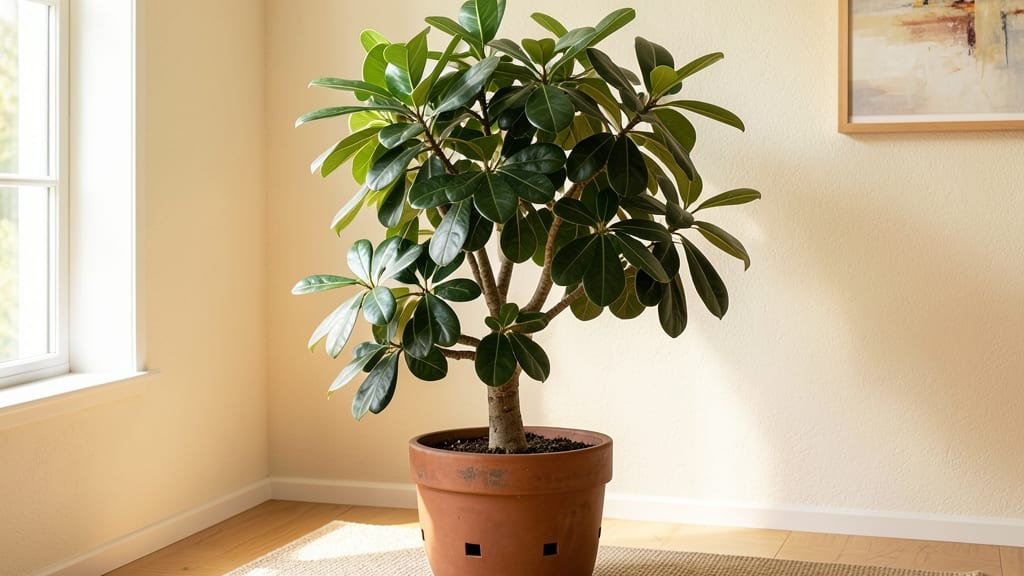
Umbrella plant height guide: indoor growth limits and space needs
When you bring an umbrella plant (Schefflera actinophylla) indoors, its height depends heavily on your care routine and the space you provide. On average, these plants reach 3 to 6 feet tall when grown as houseplants, but they can stay smaller with proper pruning.
The key is understanding how light exposure, pot size, and pruning habits influence their vertical growth.
In my experience, an indoor umbrella plant grows about 1 foot per year under ideal conditions—bright, indirect light and consistent moisture. However, if you place it in a low-light corner or neglect repotting, growth slows dramatically.
The plant’s natural bushy shape makes it perfect for small apartments or offices, but without control, it can outgrow its welcome.
Here’s what you need to know about managing its height indoors:
| Factor | Indoor Height Impact | How to Control |
|---|---|---|
| Light Exposure | Too little light = stunted growth (2–3 ft max). Bright indirect light = 5–6 ft. | Rotate plant weekly for even growth; use grow lights if needed. |
| Pot Size | Root-bound plants grow taller (6+ ft) but slower. Larger pots = bushier, shorter growth. | Repot every 2–3 years or when roots circle the pot. |
| Pruning | No pruning = leggy, tall growth. Regular pruning = compact, bushy shape. | Trim leggy stems in spring or summer to encourage branching. |
| Fertilizer | Over-fertilizing = rapid but weak growth. Balanced feeding = steady, sturdy growth. | Use 10-10-10 fertilizer every 4–6 weeks in growing season. |
If you’re working with limited vertical space, like a small apartment, focus on pruning and light management. I’ve kept mine under 4 feet tall by pinching back new growth regularly and placing it near an east-facing window.
The trade-off? You’ll get a fuller, more decorative plant rather than a towering specimen.
Another pro tip: Dwarf varieties like 'Amate' or 'Trinette' stay between 2 and 4 feet tall, making them ideal for desks or shelves. These cultivars grow slower naturally, so they’re perfect if you want low-maintenance height control.
For those who love the look but not the height, regular pruning in late winter (just before new growth starts) helps reset the plant’s shape. I like to cut back 1/3 of the tallest stems to encourage bushier growth. Just
One common mistake is assuming bigger pots = taller plants. Actually, larger pots encourage wider, bushier growth because the roots spread out instead of reaching upward. If you want to keep your umbrella plant shorter but fuller, choose a pot that’s only 1–2 inches larger in diameter than the root ball.
Finally, remember that temperature and humidity play a role too. Umbrella plants thrive in 60–75°F conditions and appreciate 40–50% humidity. Dry air (common in homes with heating/AC) can stunt growth, so misting or using a pebble tray helps maintain optimal height potential.
With the right care, your indoor umbrella plant can stay at your desired height—whether you want a compact desk companion or a statement piece for your living room. The key is consistency in light, water, and pruning. 🌿
Outdoor umbrella plant growth: how tall can it really get?
When you move your **umbrella plant (Schefflera actinophylla) outdoors, its growth potential skyrockets—think 6 to 12 feet tall (or even taller with ideal conditions). Unlike its indoor counterpart, outdoor plants have unrestricted space, more sunlight, and faster growth rates, making them stunning patio features or small trees. The key difference lies in climate and care. In USDA zones 9-11, umbrella plants thrive year-round, while colder zones (like 6a-8b) require winter protection or container growing. Humidity and well-draining soil also play a huge role—too much moisture can stunt growth, while bright, indirect light fuels rapid expansion.🌿
| Growth Factor | Indoor Conditions | Outdoor Conditions |
|---|---|---|
| Height Range | 3–6 ft | 6–12+ ft |
| Sunlight Needs | Bright indirect (4–6 hrs) | Partial shade to full sun |
| Growth Speed | Slow to moderate | Rapid (1–2 ft/year) |
| Pruning Needs | Regular (size control) | Minimal (shape maintenance) |
| Cold Hardiness | Not winter-hardy | Zones 9–11 (protect below) |
🌳
Outdoor umbrella plants can become small trees with thick trunks and broad canopies, especially in tropical or subtropical climates. If you’re in a cooler zone, opt for container growing—this lets you move the plant indoors during winter while still enjoying its bold foliage. Just ensure your pot has drainage holes and room to grow (aim for 18+ inches wide for mature plants). To encourage taller growth, focus on deep watering (1–2 gallons per week) and balanced fertilizer (like 10-10-10) during spring and summer. Avoid over-fertilizing, though—too much nitrogen can lead to leafy but leggy growth with fewer compact branches. Mulching around the base also helps retain moisture and regulate soil temperature.✂️
If your umbrella plant outgrows its space, prune in late winter or early spring to shape it or encourage bushier growth. Simply cut back overgrown stems to just above a leaf node, and new shoots will fill in quickly. Just be cautious—umbrella plants can bleed sap when pruned, so sterilize your shears first to prevent bacterial infections.💧
Ultimately, outdoor umbrella plants reward patient gardeners with dramatic height and lushness. Whether you’re using it as a privacy screen, patio centerpiece, or small tree, its versatility makes it a standout. Just remember: sunlight, space, and smart pruning are your best tools for maximizing its potential—without it becoming a wild, unruly giant**!