
Flowers
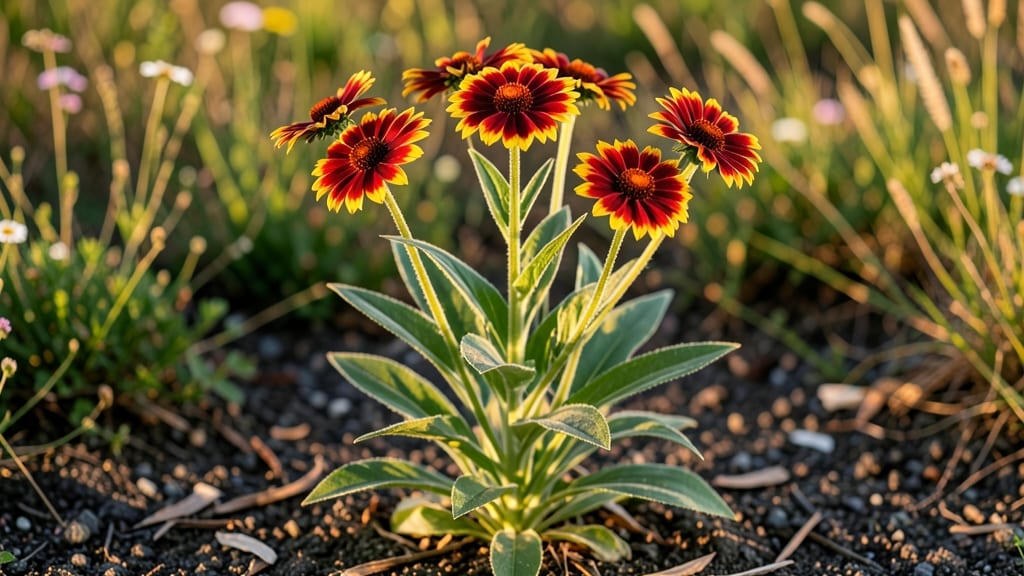
If you're wondering how tall does blanket flower grow, the answer might surprise you—because this cheerful 🌼 can range from a dainty 6 inches to a towering 3 feet depending on the variety!
Whether you're planning a sunny border or a container garden, knowing the height of your blanket flower is key to creating the perfect display.
Some varieties, like 'Arizona Sun', stay compact and bushy, making them ideal for front-of-the-border planting, while others like 'Mesa Red' can reach impressive heights. The good news? Their growth habits are easy to manage with a few simple pruning tricks that keep them looking their best all season long.
But here's the thing: blanket flowers don't just vary in height—they also adapt to your growing conditions. Too much water or shade can stretch them out, while the right balance of sun and soil keeps them sturdy and vibrant.
I'll show you how to encourage the perfect height for your garden, no matter which variety you choose.
Ready to transform your space with these sun-loving stars? Let's dive into the secrets of controlling blanket flower height so you can enjoy their bold blooms without the worry of overgrowth. Your garden's next star is just a few cuts away!


Blanket flower height by variety: from dwarf to towering types
Blanket flowers (Gaillardia) are famous for their bold colors and long bloom seasons, but their height varies dramatically depending on the variety. Some stay short and stocky, perfect for borders, while others reach tall garden heights that need staking.
Let’s break down the most popular types so you can pick the perfect fit for your space.
If you’re designing a sunny flowerbed or container garden, knowing these heights will help you avoid overcrowding. For example, dwarf varieties like 'Fanfare' stay under a foot tall, while tall hybrids like 'Arizona Sun' can soar to 36 inches or more.
The key is matching the variety to your garden’s layout and sunlight conditions.
Here’s a quick reference for spacing: compact varieties need about 6-12 inches between plants, while taller types should have 18-24 inches of room to prevent competition. Proper spacing also improves airflow, reducing the risk of fungal diseases like powdery mildew.
🌼
The 'Fanfare' series is my go-to for small-space gardens because their compact stature lets me pack more color into tight areas. For instance, 'Fanfare Cherry' adds a deep red-pink contrast without overwhelming nearby plants.
Meanwhile, 'Arizona Sun' is a showstopper in the back of my perennial beds, where its tall stems create height and drama.
For container gardening, dwarf varieties like 'Goblin' thrive in 6-inch pots with just one plant per container. If you’re growing taller types in containers, opt for 10-12 inch pots and use a support stake to prevent toppling.
Remember, blanket flowers are drought-tolerant once established, so they’re perfect for low-maintenance designs.
Another pro tip: If you’re planting near walkways or patios, choose semi-dwarf varieties like 'Mesa Red' to avoid obstructing foot traffic. Their 12-18 inch height keeps them visible but unobtrusive.
For cut flower arrangements, taller varieties like 'Arizona Sun' provide long, sturdy stems that hold up beautifully in bouquets.
🌿
One common mistake gardeners make is assuming all blanket flowers grow the same height. For example, I once planted 'Fanfare' next to 'Arizona Sun' without realizing the height difference—resulting in a lopsided look that took pruning to fix.
Always check the variety tags at the nursery or research online before purchasing to avoid this pitfall.
For first-time growers, I recommend starting with dwarf or semi-dwarf varieties to build confidence. They’re forgiving, low-maintenance, and perfect for learning how blanket flowers respond to your local climate and soil conditions.
Once you’re comfortable, you can experiment with taller types for a more dramatic garden impact.
Blanket flower height by variety: from dwarf to towering types
Blanket flowers (Gaillardia) are famous for their bold colors and drought resistance, but their height can vary dramatically depending on the variety. Some stay low and bushy, perfect for borders, while others reach towering heights, ideal for back-of-bed planting.
Knowing these differences helps you plan your garden layout and avoid overcrowding.
If you’re choosing blanket flowers for containers or small spaces, dwarf varieties like 'Arizona Sun' max out at just 12 inches tall. On the other hand, taller types like 'Fanfare' can stretch up to 36 inches, making them standout focal points.
Let’s break down the most popular varieties and their mature heights.
| Variety | Height Range | Spacing Needs | Best For |
|---|---|---|---|
| 'Arizona Sun' | 12–18 inches | 12–18 inches apart | Borders, containers |
| 'Fanfare' | 24–36 inches | 18–24 inches apart | Back of beds, cut flowers |
| 'Mesa Red' | 18–24 inches | 15–18 inches apart | Mixed borders, pollinator gardens |
| 'Goblin' | 6–12 inches | 9–12 inches apart | Rock gardens, fairy gardens |
For garden design, taller varieties like 'Fanfare' thrive in full sun and benefit from staking if they lean. Dwarf types like 'Goblin' are perfect for rock gardens or container gardening, where space is limited.
Always check the plant tag for exact height ranges, as some nurseries may sell hybrids with unexpected growth habits.
When planting, leave extra space for taller varieties to prevent overcrowding, which can lead to leggy stems and fewer blooms. For example, 'Fanfare' needs at least 18 inches of space to grow upright and strong.
If you’re unsure about spacing, start with 3 plants per square foot for medium-height varieties.
One pro tip: If you love the look of tall blanket flowers but have limited space, try pruning early to encourage bushier growth. Pinching back the tips of young plants can reduce height by up to 30% while promoting more blooms.
This works especially well for varieties like 'Mesa Red' that naturally lean toward the taller side.
Finally, remember that soil quality and sunlight exposure play a role in height. Well-draining soil with added compost ensures your blanket flowers stay compact and healthy, while poor soil can lead to taller, weaker stems.
Aim for 6–8 hours of sunlight daily to keep your plants thriving at their ideal height.