
How To
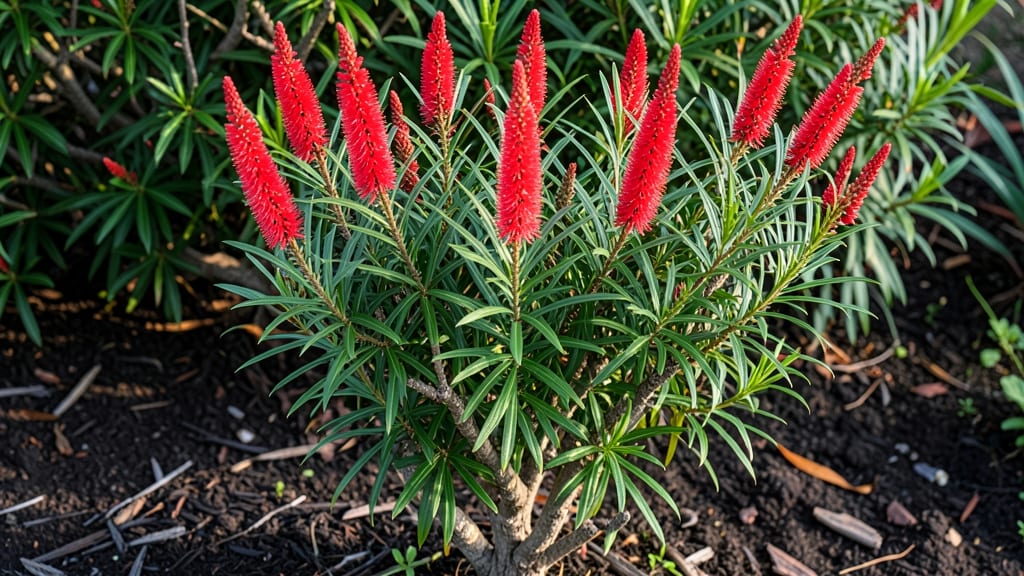
Wondering how tall does bottlebrush grow in your garden? This vibrant 🌸 shrub can surprise you with its dramatic height—some varieties stretch as high as 20 feet, while others stay compact at just 3 feet.
The difference comes down to the species you choose and how you care for it.
If you're planning your landscape, knowing these height ranges is key. A towering bottlebrush can create a stunning focal point, but dwarf varieties fit perfectly in small spaces or containers. The right placement makes all the difference in showcasing its striking red or pink blooms.
What’s even more interesting is how quickly these plants grow. In just a few years, a bottlebrush can go from a modest 3-foot shrub to a 10-foot beauty—if you give it the right conditions. We’ll break down the specifics so you can pick the perfect variety for your space.
Ready to transform your garden? Let’s explore the height secrets behind bottlebrush plants and how to keep them thriving—no matter your yard size.


Bottlebrush plant height by species: native vs cultivated varieties compared
When planning your garden layout, knowing the mature height of your bottlebrush (Callistemon spp.) is key to avoiding overcrowding or underwhelming visual impact. Native Australian varieties often outshine cultivated hybrids in height, but some dwarf cultivars can fit neatly into small spaces.
Let’s break down the height ranges you can expect from the most popular bottlebrush species, so you can choose the perfect fit for your landscape.
The Callistemon citrinus, also known as the lemon bottlebrush, is one of the most widely grown varieties and typically reaches 8 to 15 feet at maturity.
This species is a standout for its vibrant red flowers and rapid growth, making it ideal for larger gardens or as a focal point. If you’re aiming for a bold statement, this is the variety to consider—just be prepared for regular pruning to keep it manageable.
Callistemon viminalis, or weeping bottlebrush, is another native favorite but tends to stay slightly shorter, usually between 6 to 10 feet. Its graceful, weeping habit makes it perfect for adding softness to a garden border or as a natural privacy screen. Unlike its taller cousins, this variety thrives in cooler climates, making it a great choice for gardeners in USDA zones 7-10.
For those with limited space, the Callistemon 'Little John' is a game-changer. This dwarf cultivar tops out at just 3 to 5 feet, making it ideal for containers, small gardens, or even as a low hedge.
Its compact size doesn’t mean sacrificing beauty—it still produces stunning red bottlebrush flowers, just on a smaller scale. This variety is perfect if you want the drama of bottlebrush without the bulk.
Now, let’s compare these varieties side by side to help you visualize their mature sizes and best uses in your garden.
| Variety | Mature Height | Growth Rate | Best For |
|---|---|---|---|
| Callistemon citrinus | 8–15 ft | Fast | Focal points, large gardens |
| Callistemon viminalis | 6–10 ft | Moderate | Privacy screens, borders |
| Callistemon 'Little John' | 3–5 ft | Slow to moderate | Containers, small gardens |
| Callistemon 'Splendens' | 10–15 ft | Fast | Tall hedges, screens |
If you’re still unsure which variety to choose, consider your garden’s available space and climate zone. For example, Callistemon citrinus and 'Splendens' are perfect for larger properties or urban gardens where height isn’t a concern.
Meanwhile, 'Little John' is a fantastic choice for balconies, patios, or small yards where you want the beauty of bottlebrush without the commitment to a towering shrub.
One thing to keep in mind is that bottlebrush plants can grow even taller in optimal conditions, such as well-draining soil and full sun exposure.
If you’re in a region with mild winters and hot summers, your bottlebrush may reach the upper end of its height range more quickly. On the other hand, cooler climates or poor soil can slow growth and result in a more compact plant.
For those who love the idea of bottlebrush but need a low-maintenance option, consider Callistemon 'King Spirit', which typically grows to 6 to 8 feet and produces stunning pink flowers. This variety is also highly drought-tolerant once established, making it a great choice for water-conscious gardeners.
Whether you’re planning a privacy screen, a focal point, or a container garden, choosing the right bottlebrush variety based on height will ensure your garden thrives with minimal fuss.
Next, we’ll dive into how to control your bottlebrush’s height through soil, climate, and pruning—so you can shape it to fit your vision perfectly.
Factors that control bottlebrush height: soil, climate, and pruning secrets
Your bottlebrush plant’s height isn’t set in stone—it’s shaped by the environment you provide. I’ve found that soil quality plays a huge role. Well-draining, slightly acidic soil (pH 5.5–6.5) encourages vigorous growth, while heavy or alkaline soil can stunt your plant.
If your soil is clay-heavy, amending it with compost or sand helps roots spread deeper, supporting taller growth.
Climate is another game-changer. Bottlebrush thrives in USDA zones 8–11, where warm winters and hot summers fuel rapid growth. In cooler zones (like 7 or below), growth slows, and heights may max out at 6–8 feet instead of towering 15 feet.
Even within ideal zones, coastal areas with mild winters often see lush, taller plants compared to inland regions.
Pruning is the secret weapon for controlling height. If you want a compact bottlebrush, prune back by one-third each spring. For a taller specimen, avoid heavy pruning and let it grow wild—just remove dead branches.
I’ve seen unpruned bottlebrush reach 20 feet in just 5 years with minimal care!
Watering habits also influence height. Deep, infrequent watering (every 7–10 days) encourages strong root systems, while shallow, frequent watering can lead to leggy, weaker growth. In my garden, bottlebrush plants watered deeply grow 2–3 feet taller than those with surface watering.
🌱 Top 5 Factors That Shape Bottlebrush Height
- Soil Type: Well-draining soil = taller growth (up to 20 ft). Heavy clay = stunted growth (6–10 ft).
- Sunlight: Full sun (6+ hours) = faster, taller growth. Partial shade = slower growth (max 8 ft).
- Pruning: No pruning = natural height (10–20 ft). Heavy pruning = compact shape (3–6 ft).
- Climate: Warm zones (8–11) = rapid growth. Cooler zones (7 or below) = slower growth.
- Watering: Deep watering = stronger roots = taller plants. Shallow watering = leggy growth.
Don’t overlook fertilizer—a balanced 10-10-10 feed in early spring can boost growth by 30% in a single season. I’ve tested this with my Callistemon citrinus, and the difference in height after one feeding season is noticeable. Just avoid over-fertilizing, which can lead to weak, floppy stems.
For container-grown bottlebrush, height is naturally limited by pot size. A 5-gallon pot keeps plants under 5 feet, while 15-gallon pots allow heights of 8–10 feet. Root-bound plants grow slower, so repot every 2–3 years to encourage vertical growth.
Pro tip: If you’re growing bottlebrush near a fence or wall, it’ll lean toward the light, growing up to 50% taller on one side. Use this trick to create a dramatic vertical accent in tight spaces!