
How To
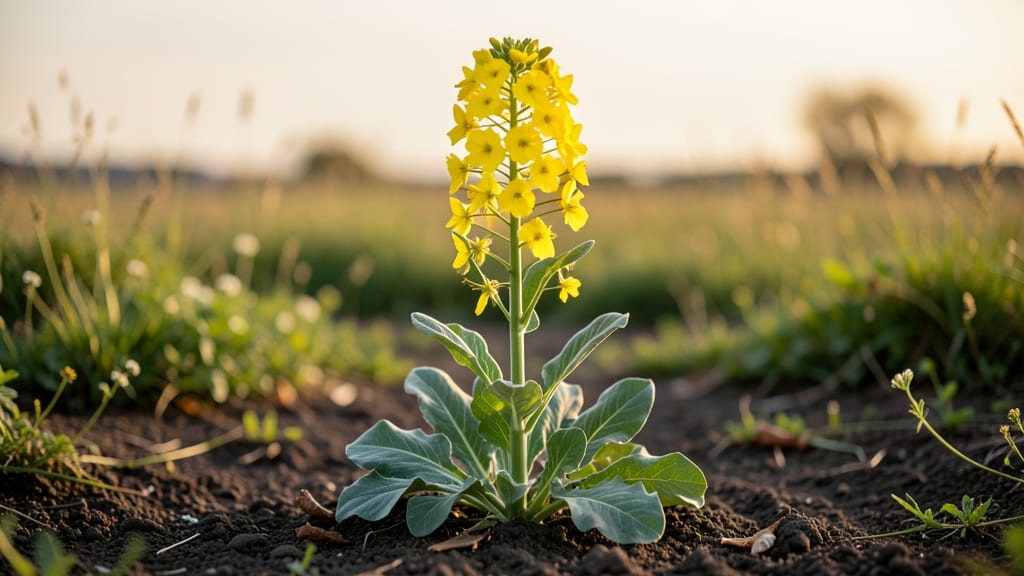
If you're planning to grow canola this spring, knowing how tall does canola grow is the first step to smart planting.
This versatile crop can reach anywhere from 2 to 5 feet, depending on the variety and growing conditions—but getting the spacing right makes all the difference in yield and ease of harvest.
Most gardeners and small-scale farmers work with spring canola varieties that typically hit 3 to 4 feet at maturity, while winter types tend to stay shorter.
The right spacing—whether you're planting in rows or clusters—directly impacts how well your plants thrive, especially in USDA Zone 6a where frost dates frame your growing window.
Beyond just height, factors like soil drainage, sunlight exposure, and even companion plants play a role in how your canola matures. Too little space? Your plants will compete for nutrients.
Too much? You're wasting valuable garden real estate. Let’s break down the exact spacing rules and variety-specific heights to help you plan like a pro.
Whether you're a first-time grower or a seasoned farmer, understanding these basics will save you time—and maybe even a few headaches—when harvest rolls around in June to August. Ready to optimize your canola patch? Let’s get started.


Canola height by variety: spring vs winter types and their growth ranges
Canola plants exhibit striking height variations depending on their variety, with spring types typically reaching 3–5 feet while winter-hardy varieties stay shorter at 2–4 feet. These differences directly impact your planting density, harvest efficiency, and even weed competition.
Understanding these ranges helps you choose the right variety for your climate and space constraints.
For example, Hybrid canola varieties like those bred for high-yield agriculture often grow taller (4–5 feet), while dwarf winter types like 'Wintra' max out at 2–3 feet. The height isn't just about aesthetics—it affects seed production, disease susceptibility, and even harvesting logistics.
Let’s break down the key differences so you can plan your field accordingly.
Spring canola varieties dominate commercial fields because they mature faster and produce taller stalks with more seed pods. These varieties thrive in warmer climates (USDA Zones 5–9) and reach maturity in 90–120 days. In contrast, winter canola is planted in fall and overwinters, emerging in spring with shorter, stockier growth to withstand frost.
Here’s the critical distinction: Tall varieties (4–5 ft) need wider spacing (12–18 inches apart) to prevent overcrowding, while dwarf varieties (2–3 ft) can be planted closer (6–10 inches apart). This spacing rule alone can boost yields by 20–30% by reducing competition for sunlight and nutrients.
Climate plays a huge role in canola height. In cooler northern regions, plants may stay shorter (2–3 feet) due to shorter growing seasons, while southern climates can push heights to 5 feet or more. Even within the same variety, soil fertility and water availability can adjust height by 1–2 feet.
Now, let’s compare the most common canola types side by side to help you pick the right one for your needs.
If you’re growing spring canola in Zone 6 or warmer, expect taller plants (4–5 feet) that require more space between rows (18–24 inches). These varieties are bred for maximum seed production, so their height pays off in higher yields per acre.
However, their taller stature makes them more vulnerable to lodging (falling over) in windy conditions.
For winter canola, the shorter varieties (2–3 feet) are ideal for northern climates where frost is a concern. These plants develop thicker stems to resist cold snaps, and their compact size makes them easier to harvest by hand or with small equipment.
The trade-off? They may produce 10–20% fewer seeds than their taller spring counterparts.
Choosing the right variety isn’t just about height—it’s about matching your goals. Need high seed yield? Go for spring hybrids. Prefer low-maintenance, frost-resistant plants? Winter dwarf varieties are your best bet.
And if you’re space-limited, semi-dwarf types (3–4 feet) strike a balance between yield and manageability.
Pro tip: Always check the seed packet or breeder’s guidelines for specific height ranges, as even within a category, micro-vari
Optimal spacing rules for canola based on plant height and climate
Canola’s mature height—ranging from 2 to 5 feet—directly impacts your spacing strategy. Proper spacing ensures optimal sunlight exposure, reduces weed competition, and improves harvest efficiency. For dwarf varieties (2–3 ft), tighter spacing works, while tall varieties (4–5 ft) need more room to avoid overcrowding.
In cool, wet climates, canola grows taller due to lush foliage, requiring wider row spacing (12–18 inches between plants). Conversely, dry, hot regions stunt growth, allowing closer spacing (6–10 inches) to boost yield. Always adjust based on your local growing zone and soil drainage.
| Variety Type | Mature Height | Row Spacing | Plant Spacing | Best For |
|---|---|---|---|---|
| Dwarf Spring | 2–3 ft | 6–8 inches | 4–6 inches | Small farms, containers |
| Standard Spring | 3–4 ft | 10–12 inches | 8–10 inches | Medium-scale fields |
| Winter Canola | 4–5 ft | 14–18 inches | 12–15 inches | Large fields, cool climates |
For high-yield goals, aim for 10–12 plants per square foot in standard varieties. In sandy soils, increase spacing by 20% to prevent root competition. Conversely, clay soils can support closer spacing due to better moisture retention.
Always thin seedlings to your target spacing once they reach 2 inches tall. This prevents overcrowding and ensures each plant gets 6+ hours of sunlight daily. Use a stake or marker to track spacing if planting densely.
In windy regions, taller varieties may need staking or trellising to avoid lodging (falling over). For organic farms, wider spacing reduces disease spread by improving air circulation.
Pro tip: Use a spacing calculator for your field size to estimate seed needs. For example, a 1-acre field with 12-inch row spacing and 8-inch plant spacing requires ~16,000 plants. Adjust for your local climate and variety!