
How To
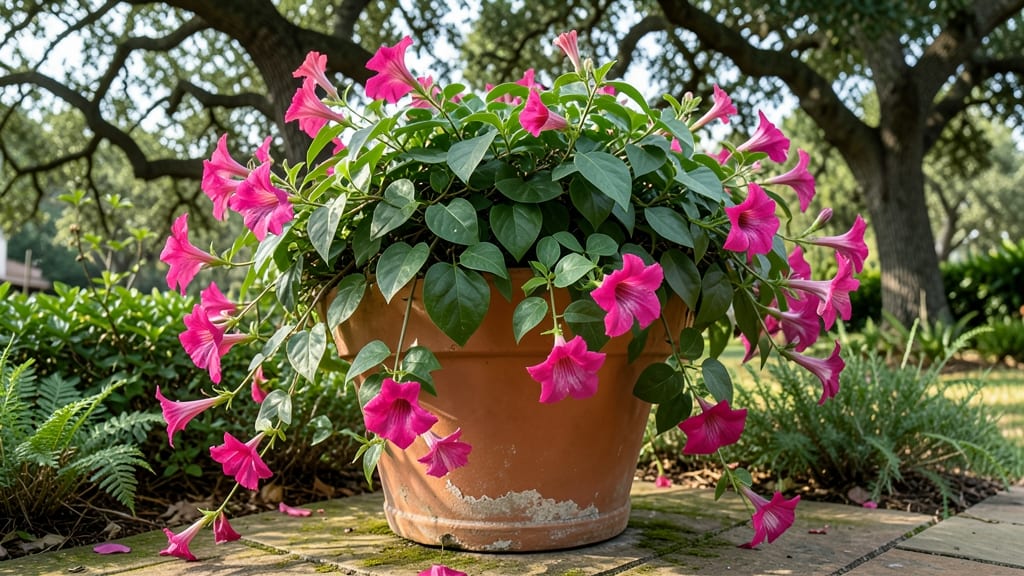
If you’ve ever wondered how tall does Dipladenia grow before deciding whether to plant it in your garden, the answer might surprise you—this stunning vine 🌸 can climb up to 10 feet if left unchecked!
Whether you're dreaming of a cascading floral display or a controlled trellis masterpiece, understanding its natural growth habits is key to shaping it just right.
Most gardeners assume Dipladenia will sprawl wildly, but with the right approach, you can guide its height to fit your space perfectly. In ideal conditions—like Zone 6a with plenty of sunlight—it thrives, but pruning and support structures can keep it at a manageable 3-5 feet for easier maintenance.
The secret? A little planning during planting season (April-May) sets the stage for years of blooms.
What’s even more exciting is how different varieties behave—some trail elegantly while others climb aggressively. I’ll show you how to choose the right type for your garden and the simple pruning tricks that keep it lush without sacrificing those showstopping flowers.
Ready to turn your Dipladenia into a showstopper? Let’s dive in!
No matter your garden size, you can enjoy this tropical beauty without it taking over. From training vines along fences to trimming for compact growth, I’ll cover everything you need to know to keep your Dipladenia 🌸 at your ideal height—without the guesswork. Let’s get growing!


Natural growth height of Dipladenia: how tall it can get without pruning
If you're wondering how tall Dipladenia grows when left unchecked, the answer depends on its variety, growing conditions, and whether it's climbing or trailing. On average, this stunning vine can reach 8 to 10 feet tall in ideal conditions, but some varieties may stay shorter or sprawl wider instead.
Without pruning, Dipladenia can become quite vigorous, especially in warm climates where it thrives year-round.
In its first year, most Dipladenia plants grow 3 to 5 feet tall, establishing a strong root system and woody stems. By the second year, they can shoot up to 5 to 8 feet, especially if given plenty of sunlight and nutrients.
The key factor here is whether your Dipladenia is climbing or trailing—climbing types will grow taller, while trailing varieties may spread wider instead.
Here’s what influences its height: sunlight exposure, pruning habits, and support structures. For example, a Dipladenia planted in full sun with a trellis or fence will climb higher, while one in partial shade might stay shorter but produce more foliage.
Without any support, it can sprawl up to 10 feet wide, creating a lush, cascading effect perfect for containers or ground covers.
| Growth Stage | Height Range | Key Factors |
|---|---|---|
| First Year | 3–5 ft | Root establishment, sunlight, soil nutrients |
| Second Year | 5–8 ft | Pruning, support structures, climate |
| Mature Plant | 8–10 ft | Variety, training, seasonal care |
| Trailing Varieties | 3–10 ft wide | Container size, pruning frequency |
One common misconception is that Dipladenia will always grow tall. In reality, some varieties like 'Alice du Pont' or 'Pink Charm' are more compact, staying around 3 to 5 feet tall without aggressive pruning.
Meanwhile, varieties like 'Firecracker' can reach 10 feet or more if given the right conditions. Always check the specific variety’s growth habits before planting if height is a concern.
Climate plays a huge role in Dipladenia’s growth. In USDA Zones 9–11, where frost is rare, this vine can grow continuously, reaching its maximum height faster.
In cooler zones (like Zone 8 or below), it may grow slower or need winter protection, capping its height at 5 to 7 feet unless you provide a greenhouse or container to overwinter it.
If you’re growing Dipladenia in a container, its height will naturally be limited by the pot size. A 15-gallon container might keep it around 4 to 6 feet tall, while a 5-gallon pot could restrict it to 2 to 3 feet.
Containers also allow you to control root growth, which indirectly affects how tall the vine becomes. Always choose a pot with drainage holes to prevent root rot, a common issue that can stunt growth.
For those who love the romantic, cascading look of Dipladenia, trailing varieties are ideal. These can spread 8 to 10 feet wide but stay shorter in height, making them perfect for hanging baskets or ground covers.
If you prefer a more structured look, opt for climbing varieties and provide a trellis or fence. This not only controls height but also encourages more blooms, as the plant focuses energy on flowering rather than sprawling.
One pro tip: If your Dipladenia starts to grow too tall or unruly, don’t panic. Pruning in late winter or early spring can reset its growth cycle, encouraging bushier, more manageable growth.
You can even train it to grow in a specific direction by gently weaving the vines around a support structure. This method works wonders for shaping Dipladenia into a neat, controlled plant while still enjoying its stunning blooms.
Remember, the healthier the plant, the more it will grow. Providing balanced fertilization, consistent watering, and proper sunlight ensures your Dipladenia reaches its full potential—whether that’s 3 feet or 10 feet tall.
With the right care, you can enjoy its beautiful flowers year after year without worrying about it taking over your garden.
Natural growth height of Dipladenia: how tall it can get without pruning
If you’re wondering how tall does Dipladenia grow when left to its own devices, the answer depends on its growing conditions and variety. Without pruning, Dipladenia can reach an impressive 8-10 feet in height, especially when climbing trellises, fences, or arbors.
This tropical beauty thrives in warm climates like Zone 6a and beyond, where it grows aggressively during the spring and summer months.
The first year after planting, expect your Dipladenia to grow 3-5 feet, establishing a strong root system. By year two, it can surge to 5-8 feet, and by year three, it may hit its full mature height of 8-10 feet.
If you’re growing it in containers, however, its height can be more easily controlled, often staying between 3-6 feet.
🌸 Fun fact: Dipladenia’s growth rate is influenced by sunlight, water, and soil fertility. In full sun with regular watering, it grows faster than in partial shade. For example, my Dipladenia planted near a south-facing fence hit 6 feet in just one season!
| Growth Stage | Height Range | Conditions |
|---|---|---|
| Year 1 | 3–5 ft | Establishing roots; slower growth |
| Year 2 | 5–8 ft | Rapid growth with proper care |
| Year 3+ | 8–10 ft | Mature height in ideal conditions |
| Containers | 3–6 ft | Root-bound growth limits height |
Climate plays a huge role in Dipladenia’s height. In hot, humid regions, it grows taller and faster, while in cooler areas, its growth may slow to 3-6 feet unless you provide extra warmth.
For instance, my friend in Zone 7b saw her Dipladenia reach 9 feet by mid-summer, while mine in Zone 6a topped out at 7 feet without pruning.
Another key factor is whether your Dipladenia is trailing or climbing. Trailing varieties, like 'Alice du Pont', spread horizontally and can cover 6-10 feet of space if not pruned.
Climbing types, such as 'Firecracker', focus their energy upward, reaching heights of 10 feet or more when given a sturdy trellis.
If you’re unsure whether your Dipladenia will grow vertically or horizontally, observe its natural behavior in the first few months. Most vines will show their preferred growth habit early on, giving you time to adjust your pruning plan.
For example, if it starts climbing a nearby mailbox post, it’s likely a vertical grower!
🌿 Pro tip: To encourage a bushier, more compact plant, pinch back the tips of new growth when the vine reaches 3-4 feet. This redirects energy to side shoots, creating a fuller appearance without sacrificing height.
I’ve used this trick to keep my Dipladenia at a manageable 5 feet while still enjoying its stunning blooms.